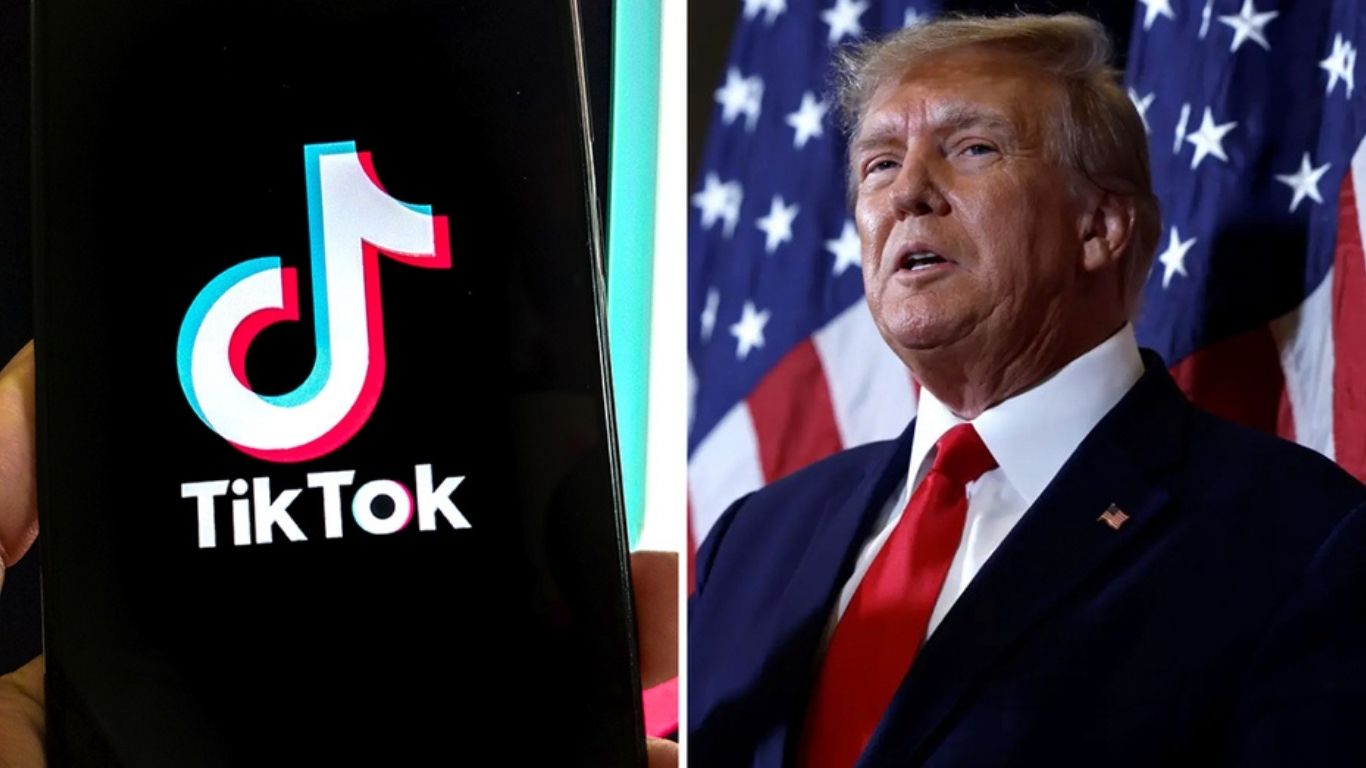
The historic U.S.–China TikTok deal is reshaping data security, ownership, and the future of social media. In a move that has electrified technology, policy, and geopolitical circles, the United States and China have reportedly reached a landmark agreement to restructure TikTok’s U.S. operations. The deal hailed by some as a masterstroke of diplomacy and derided by others as a strategic compromise is shaping up as one of the defining tech-political deals of the decade.
The Deal at a Glance
Under the framework, TikTok’s U.S. operations will be effectively carved into two entities. A consortium of American investors led by Oracle, Silver Lake, and other major players will assume control over data security, content moderation, and the app’s algorithm. ByteDance, the Chinese parent, will retain a stake (reportedly under 20%) and receive licensing revenue from the algorithm.
The restructuring is designed to satisfy national security concerns enacted under the 2024 “Protecting Americans from Foreign Adversary Controlled Applications Act” (PAFACA), which had threatened to ban TikTok outright if a divestiture was not achieved.
President Donald Trump signed an executive order offering a 120-day window for the deal’s finalization. The order asserts that the proposed structure meets the law’s security benchmarks, including localized U.S. storage of sensitive user data and oversight of algorithmic updates.
Why This Deal Matters: Stakes and Signals
National Security vs. Digital Sovereignty
From Washington’s perspective, the paramount objective was to sever Chinese control over U.S. user data and prevent covert influence operations. The deal’s structure, especially the oversight clauses and algorithm licensing scheme, is pitched as a “clean break” from Chinese operational control.
But critics warn of lingering exposure: licensing the algorithm allows ByteDance to influence its evolution, and ongoing software updates could keep Chinese engineers tangentially involved.
Economic Incentives and Profit Rules
The deal isn’t just geopolitical theater it is built on economic terms. ByteDance, though reducing its equity, will reportedly collect licensing fees and profit shares that could amount to nearly 50% of U.S. TikTok income.
For the U.S. consortium, the upside is access to an app with over 170 million American users and billions in ad revenue potential.
Political Optics & Cronyism Accusations
No deal of this magnitude occurs without political scrutiny. Critics have already accused the administration of picking favored investors and setting the stage for ideological control over content — especially given the involvement of allies like Oracle and media moguls with pro-administration leanings.
Meanwhile, Congress has vowed full oversight. Representative John Moolenaar, chair of the House Select Committee on China, announced a hearing to enforce the divestment law’s requirements.
Hurdles Ahead & Outstanding Questions
Beijing’s Final Consent
Chinese authorities have yet to issue unambiguous public endorsement. While President Trump claims Xi Jinping has personally approved the agreement, Chinese state media has remained silent or noncommittal.
That ambiguity leaves room for China to stall, block algorithm exports, or otherwise thwart implementation.
Fulfilling PAFACA’s Divestiture Mandates
The 2024 law demands a “qualified divestiture,” severing prohibited ties between ByteDance and the new U.S. entity, especially around algorithm collaboration. Whether the licensing-only approach satisfies this remains contested.
Algorithm Governance & Integrity
The algorithm is the “secret sauce” that drives TikTok’s dynamism. But it’s also the most sensitive asset. Who controls updates, how it evolves, and whether it can be biased for or against specific content will be intimately watched.
User & Creator Backlash
For content creators and everyday users, change is risky. Will the new platform preserve discoverability, monetization, and engagement metrics? Sudden shifts in algorithmic priorities could disrupt creator livelihoods and audience growth.
What It Reveals: A Diplomatic Pivot
This deal is more than about TikTok; it’s a signal in the broader U.S.–China tech war. Some analysts see it as Washington yielding on a hardline posture, opting for compromise over continued confrontation.
Yet from Beijing’s view, conceding control over the U.S. arm of TikTok might be a face-saving gesture to maintain broader economic diplomacy. China may weigh the political cost of escalating tensions against the loss of influence in a single application.
Final Word: A High-Stakes Gamble
The U.S.–China TikTok agreement may very well become a blueprint for future tech-geopolitical deals: data sovereignty, national security, and private enterprise colliding on a global stage. But success is far from assured.
If executed flawlessly with transparent algorithm oversight, intact user experience, and genuine separation from China, this deal could stand as a landmark win for digital autonomy. But if weak enforcement, covert control, or political interference seeps in, it could become a cautionary tale: a high-profile facade masking continued Chinese influence.
Either way, the coming months will determine whether this bold agreement is a turning point or a tactical misstep.