

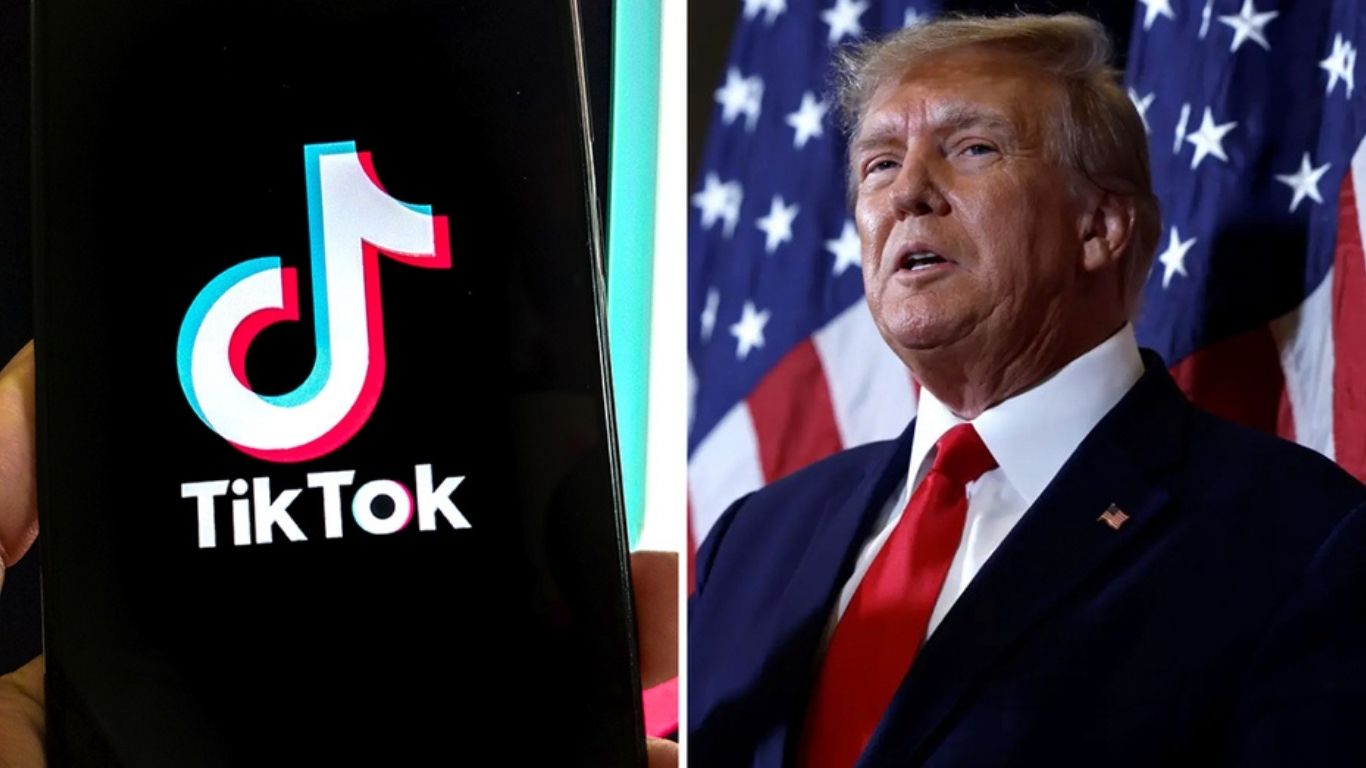
As Washington and Beijing seek to cool down years of tariff tensions, all eyes are also on TikTok, the viral video app caught at the center of a geopolitical storm. The world’s two largest economies, the United States and China, are once again locked in high-stakes negotiations, this time in Spain. With a looming deadline for TikTok’s Chinese parent company, ByteDance, to sell its U.S. operations or face a potential ban, the talks have taken on a heightened sense of urgency.
A Second Day of Crucial Trade Talks
U.S. Treasury Secretary Scott Bessent and Chinese Vice Premier He Lifeng are leading the delegations in Madrid, marking the second day of intense discussions. These talks are the latest chapter in a drawn-out effort to end the U.S.-China trade war, a conflict that has disrupted global supply chains, driven up consumer prices, and unsettled financial markets.
The last time top officials met was in July, when both sides agreed to extend their tariffs truce for another 90 days, pushing the deadline to November 10. This temporary pause eased import taxes that had soared to more than 100% on each other’s goods. Yet, while the truce has bought both nations time, the upcoming expiry date is forcing negotiators to seek a more permanent framework.
TikTok at the Heart of the Dispute
Overshadowing the trade talks is the fate of TikTok, the wildly popular social media platform with more than 170 million U.S. users. The app’s future has been uncertain ever since former President Donald Trump called for a nationwide ban during his first term, citing national security and data privacy concerns tied to its Chinese ownership.
However, Trump’s position has shifted dramatically in recent months. Not only has he delayed the ban three times, but he has also downplayed the security concerns as “highly overrated.” Speaking to reporters on Sunday, Trump struck an almost indifferent tone, saying:
“We may let [TikTok] die. Or we may… I don’t know. It depends. Up to China, it doesn’t matter too much.”
Despite his earlier criticism, Trump has warmed up to TikTok after his popularity surged on the app during the 2024 presidential campaign. In August, the White House even launched its official TikTok account, signaling a sharp departure from his earlier hardline stance.
Will the Deadline Be Extended Again?
The current deadline, set to expire this Wednesday, is expected to be extended for a fourth time, according to Washington insiders. Last month, Trump himself hinted that the U.S. would keep extending the timeline until a suitable American buyer for TikTok is secured.
This recurring delay highlights the broader balancing act: Washington wants to appear tough on China while avoiding backlash from millions of American TikTok users and creators who rely on the platform. For Beijing, the app is not just a business it is a symbol of China’s growing influence in the global tech landscape.
A Possible Trump-Xi Summit on the Horizon
Beyond TikTok, the Madrid talks are also laying the groundwork for a potential face-to-face meeting between Trump and Chinese President Xi Jinping. Both leaders are expected to attend a multilateral summit in South Korea this October, and negotiators are working behind the scenes to arrange a bilateral session that could mark a turning point in U.S.-China relations.
If such a meeting takes place, it would be the first since Trump returned to office. Analysts say it could pave the way for a more durable trade deal, though skepticism remains high given the history of missed deadlines and stalled progress.
What’s at Stake
The outcome of these talks could have sweeping consequences for the global economy, tech industry, and even U.S. domestic politics.
- For consumers: A prolonged tariff war means higher prices on everyday goods, from electronics to clothing.
- For businesses: Multinationals are anxiously awaiting clarity before making major investment decisions.
- For TikTok users: The uncertainty over whether the app will remain available in the U.S. is creating widespread anxiety, especially among content creators who depend on it for income.
At the same time, both nations must balance domestic political pressures. Trump has campaigned on being tough on China while also courting younger voters active on TikTok. Xi, meanwhile, faces the challenge of not appearing to bow to U.S. demands while keeping China’s economic growth stable.
Conclusion: A Defining Week for U.S.-China Relations
As negotiations stretch into their second day, one thing is clear: the U.S.-China rivalry is about far more than tariffs and trade deficits. It’s about technology, influence, and trust in an interconnected world.
With the TikTok deadline fast approaching, and the possibility of another extension on the horizon, the stage is set for a defining moment in global politics. Whether Madrid produces a breakthrough or simply buys more time, the world is watching closely.
The next 72 hours could determine not only the fate of TikTok but also the trajectory of U.S.-China relations for years to come.




