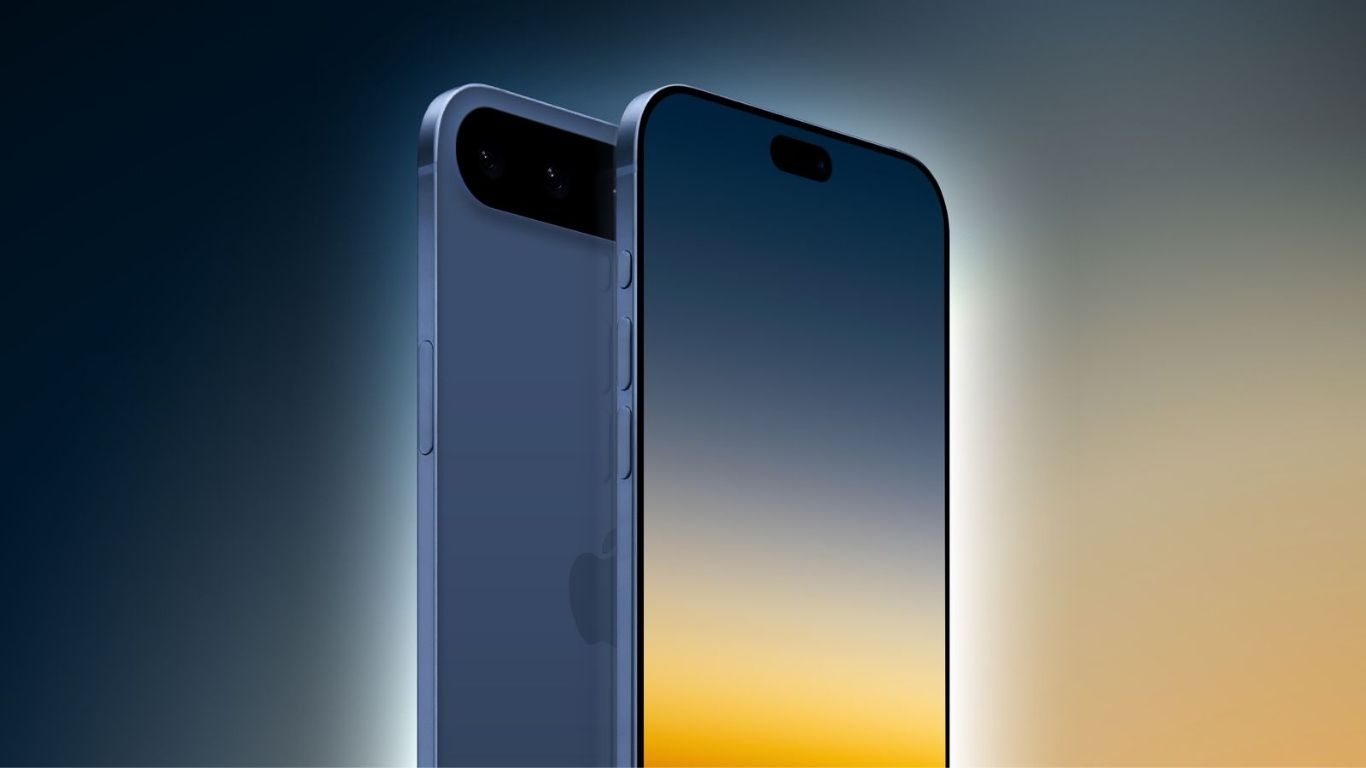
Apple’s iPhone 17 lineup may come with a heftier price tag in the United States compared to the current iPhone 16 series, according to Jeff Pu, an analyst at investment firm GF Securities. In a research note this week, Pu pointed to U.S. tariffs on imported smartphones as the likely driver behind the potential price hike.
Tariffs Driving Potential Price Increase
The U.S. currently imposes a 20% tariff on iPhones imported from China, but not on those imported from India, according to reporting from The Wall Street Journal. Since most iPhones sold in the U.S. are assembled in either China or India, shifting trade policies could have a direct impact on retail pricing.
Apple CEO Tim Cook revealed during last week’s earnings call that the majority of iPhones sold in the U.S. now come from India, a move that has helped Apple mitigate some tariff costs. However, Pu noted that tariff policies under the Trump administration have been prone to change, meaning future import fees could still affect production costs.
How Much Could Prices Go Up?
While there is no official confirmation from Apple, Wall Street analysts estimate that iPhone 17 models could be $50 to $100 more expensive than equivalent iPhone 16 models. These figures are speculative, but they align with broader expectations that rising manufacturing and import costs may eventually force Apple to adjust its long-standing U.S. pricing strategy.
Apple’s History of Price Stability
Apple has managed to maintain the $999 starting price for its Pro models since the launch of the iPhone X in 2017, despite inflation and repeated industry predictions of price hikes. This consistency has strengthened consumer trust and allowed Apple to market its Pro models as a stable value proposition in the premium smartphone category.
However, as Pu’s research note points out, “nothing lasts forever.” If tariffs rise or production costs continue to climb, Apple may finally need to break from its eight-year streak of holding prices steady.
Possible Strategies to Justify Higher Prices
Even if the iPhone 17 sees a higher retail price, Apple could employ product adjustments to soften the blow for consumers. One potential change being discussed by analysts is increasing the base storage of the iPhone 17 Pro from 128GB to 256GB matching the current starting storage of the Pro Max model.
Such a move would allow Apple to market the price increase as part of a value upgrade, rather than a simple cost pass-through. The company has used similar strategies in the past to maintain consumer satisfaction while adapting to shifting market economics.
What This Means for Consumers
For U.S. buyers, the possibility of a price increase means the iPhone 17 launch could mark a shift in Apple’s premium pricing model. Still, with no official word from Cupertino, all projections remain speculative. Consumers will likely need to wait until Apple’s September 2025 keynote to know for certain.
Given Apple’s history of balancing premium innovation with consistent pricing, it’s possible the company could surprise both analysts and customers once again.
.