

Written by Morium Jahan Setu, a student of Genetic Engineering & Biotechnology Department, University of Chittagong
Claim-1: Sodium Lauryl Sulphate (SLS) Causes Cancer
A post that spread a lot online said, “Toothpaste with Sodium Lauryl Sulphate (SLS) causes cancer because SLS is a carcinogen.” Sodium Lauryl Sulphate (SLS) is a common ingredient in many personal care products, including toothpaste. Its job is to help the toothpaste spread well and create foam, which makes it easier to clean our teeth. The US Food and Drug Administration (FDA) controls how SLS is used in cosmetics and personal care items. The post said SLS causes cancer, but the FDA actually requires warning labels on fluoride toothpaste since April 7, 1998. These warnings are about swallowing too much toothpaste, which can lead to stomach issues, not cancer. There is no scientific proof that SLS is a cancer-causing substance. SLS is not listed as a carcinogen by major groups like the International Agency for Research on Cancer (IARC), the US National Toxicology Program, the California Proposition 65 list of harmful substances, the Environmental Protection Agency (EPA), and the European Union (EU).
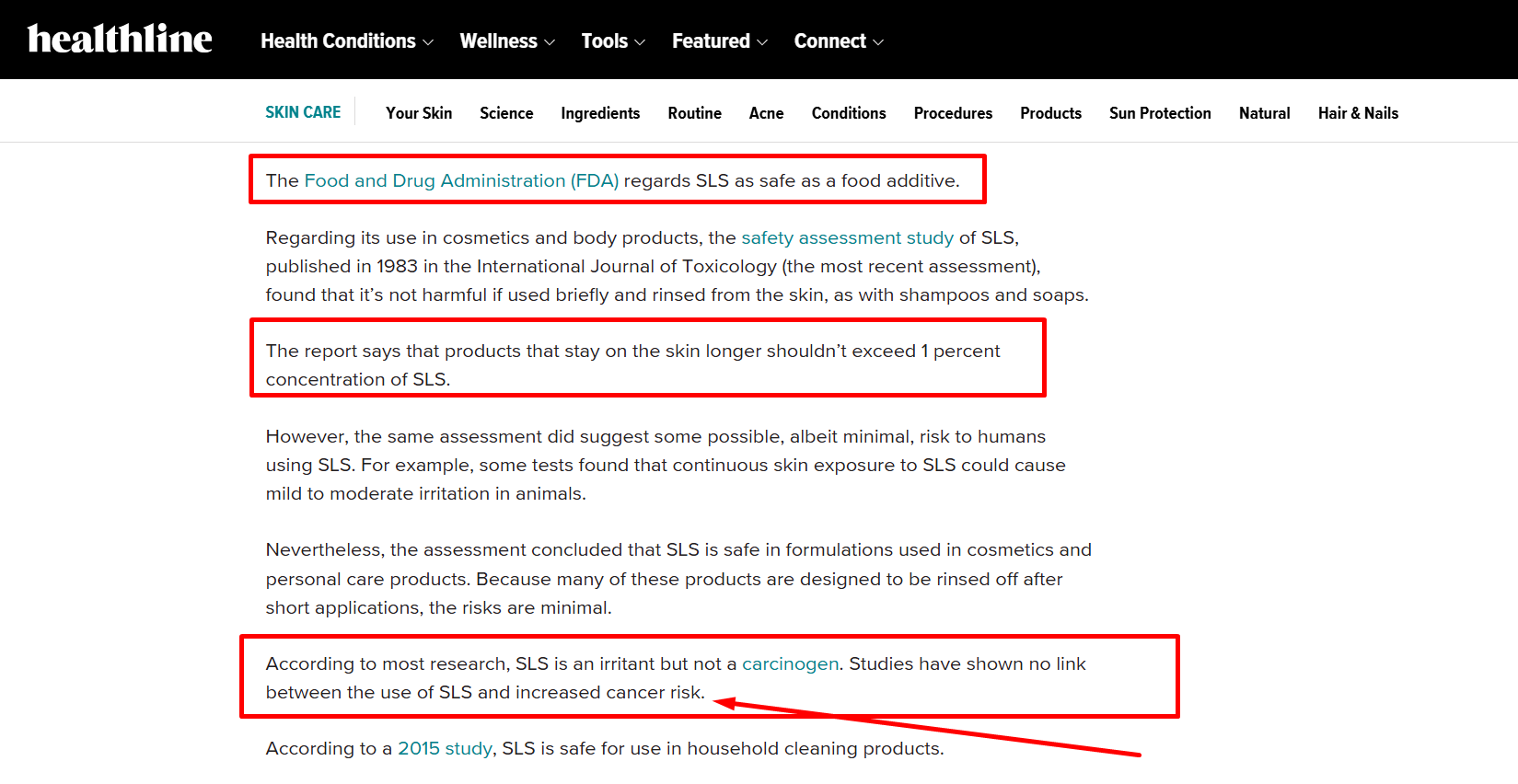
Verdict: The claim that SLS in toothpaste causes cancer is false.
Claim-2: Triclosan Increases Cancer Risk
Triclosan is a man-made chemical that fights bacteria and fungi. In 2016, the FDA stopped people from using it in antibacterial soaps. People are worried about it being in personal care products, especially toothpaste, because it comes into contact with sensitive areas in the mouth. Studies show that triclosan can be found in urine, which means it enters the body. However, no big studies have shown that using triclosan in toothpaste directly leads to cancer. The American Dental Association (ADA) approved a toothpaste called Colgate Total, which included 0.3% triclosan along with a special polymer to help it stay in the mouth. The European Union (EU) also allows up to 0.3% triclosan in toothpaste.
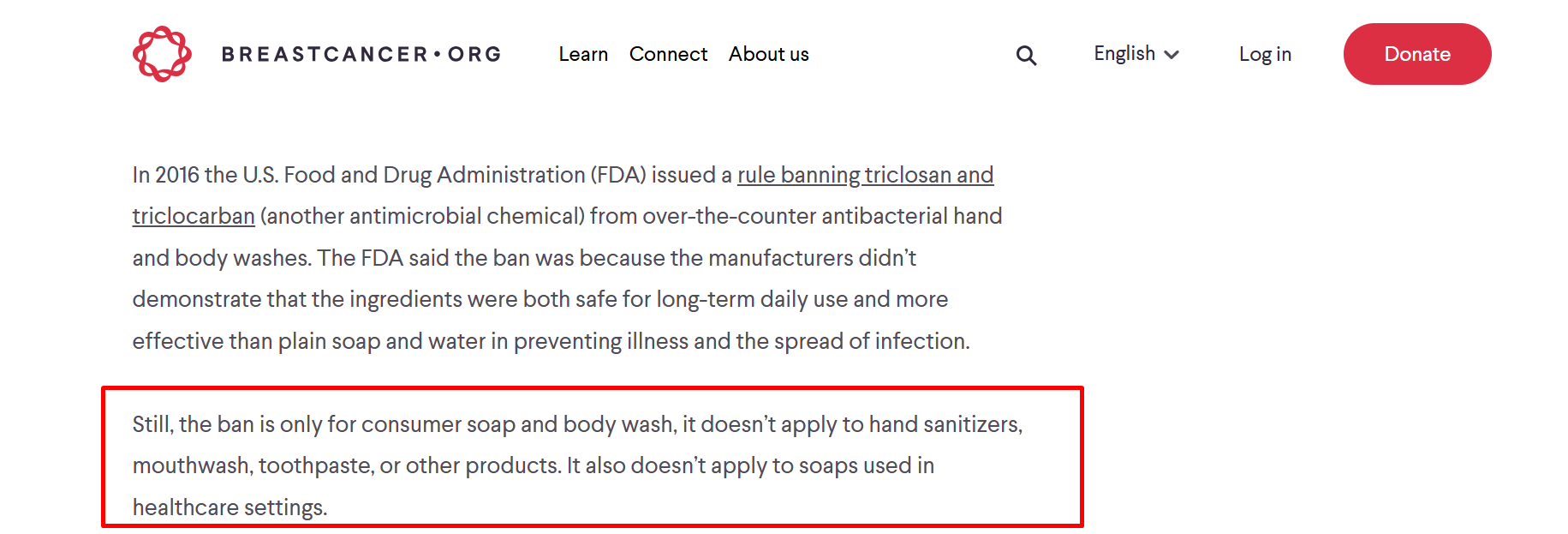
Verdict: Right now, there’s no strong evidence that triclosan in toothpaste causes cancer in humans when used properly. Short-term use of toothpaste with triclosan is considered safe by officials. So this claim is also not true.
Claim-3: Fluoride in Toothpaste Causes Cancer
Fluoride is a mineral that occurs naturally in water, soil, and some foods. It’s added to toothpaste because it:
- Helps repair tooth enamel
- Stops cavities from forming
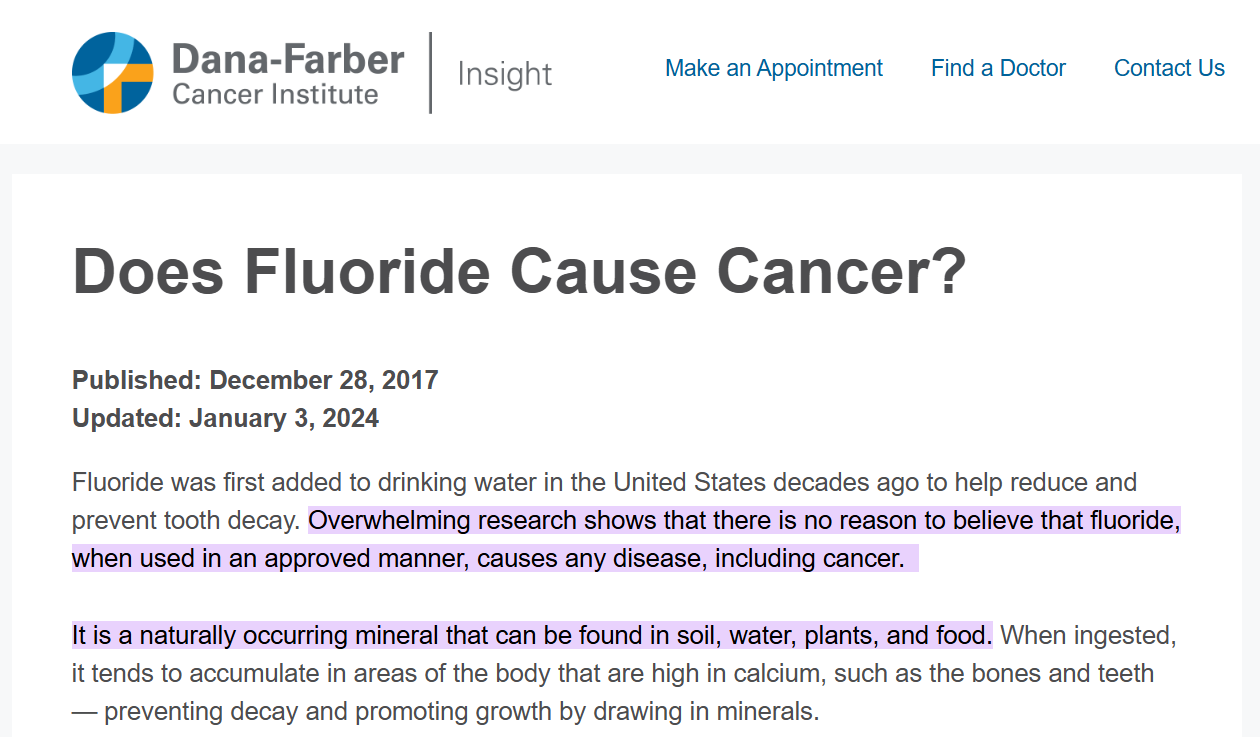
- Kills harmful bacteria in the mouth. In 2006, a Harvard study raised concerns about fluoride exposure and a type of bone cancer called osteosarcoma in boys under 20. But later studies didn’t find a clear connection, and even the original researchers said their findings shouldn’t be taken too seriously. The IARC (International Agency for Research on Cancer) does not list fluoride as a cancer-causing substance. The ADA (American Dental Association) and CDC say fluoride in dental products is safe.However, fluoride can be harmful if taken in very large amounts, such as:
- Eating a lot of toothpaste, especially by children
- Drinking water with fluoride levels higher than 4.0 ppm (the maximum allowed by the U.S. EPA)
- Being exposed to high levels of natural fluoride in certain areas over a long time.
This can lead to:
- Dental fluorosis (white spots on teeth)
- Skeletal fluorosis (joint pain and bone changes in severe cases).
These are not cancers, but effects from too much fluoride.
Verdict: Fluoride in toothpaste does not cause cancer when used as directed. Claims that it causes cancer are based on poorly conducted or misinterpreted studies, often using unrealistically high doses.
Claim-4: Toothpaste and Oral/Esophageal Cancer
Oral cancer includes cancer of the lips, tongue, gums, inner cheeks, and the roof or floor of the mouth. Esophageal cancer affects the esophagus. No studies, either clinical or based on population data, have shown that using toothpaste causes oral or esophageal cancer. Some ingredients in toothpaste can cause mouth ulcers, gum irritation, or sensitive tissues. However, irritation is not the same as causing cancer. Chronic irritation alone doesn’t lead to cancer unless combined with other factors, such as genetic damage or exposure to known cancer-causing substances.
Verdict: Using toothpaste regularly does not cause mouth or esophageal cancer. No ingredient in regulated toothpaste has been proven to be a cancer-causing substance when used in normal amounts.
Claim-5: Toxin Buildup from Toothpaste
This idea is often shared online, suggesting that chemicals in toothpaste can pass through the mouth’s lining and collect in the body over time, which might lead to poisoning or cancer. The main concerns come from:
- The mouth having a lot of blood flow, so substances can enter the bloodstream more quickly than through the digestive system.
- The presence of ingredients like fluoride, triclosan, SLS, and parabens, some of which are linked to health concerns in other areas (like industrial settings).
- The fact that people use toothpaste every day, which means long-term exposure. But What Does Research Say? The mouth has a thin, semi-permeable lining, especially under the tongue. This allows some medicines to enter the bloodstream directly, which is why sublingual tablets (like nitroglycerin) work so fast. However, this does not mean that all toothpaste ingredients are absorbed in large amounts. Most toothpaste is spat out after brushing, and it only stays in the mouth for about 1 to 2 minutes. Only very small amounts of certain soluble ingredients might be absorbed through the mouth’s lining into the bloodstream.
Verdict: While it’s true that the mouth can absorb some substances, there’s no solid scientific proof that regular use of toothpaste causes toxic buildup or cancer. This claim has been proven false.
Conclusion: Toothpaste Safety Affirmed
After looking into the most common concerns linking toothpaste to cancer, the conclusion is clear: there’s no strong scientific evidence that using toothpaste regularly causes cancer in humans. While some people worry about ingredients like fluoride, triclosan, SLS, or titanium dioxide, studies show that these substances are safe when used within the limits set by regulations. Many of these fears come from animal studies with high doses, misunderstandings about how ingredients work, or misinformation spread online. Major health organizations, like the World Health Organization (WHO), American Dental Association (ADA), U.S. Food and Drug Administration (FDA), and International Agency for Research on Cancer (IARC), all agree that the ingredients in toothpaste are safe when used normally. In fact, toothpaste is good for oral health, helping to prevent gum disease and infections. If left untreated, these issues can lead to bigger health problems. In the end, there’s no proven link between toothpaste and cancer, and the benefits of brushing with toothpaste are well known.




