
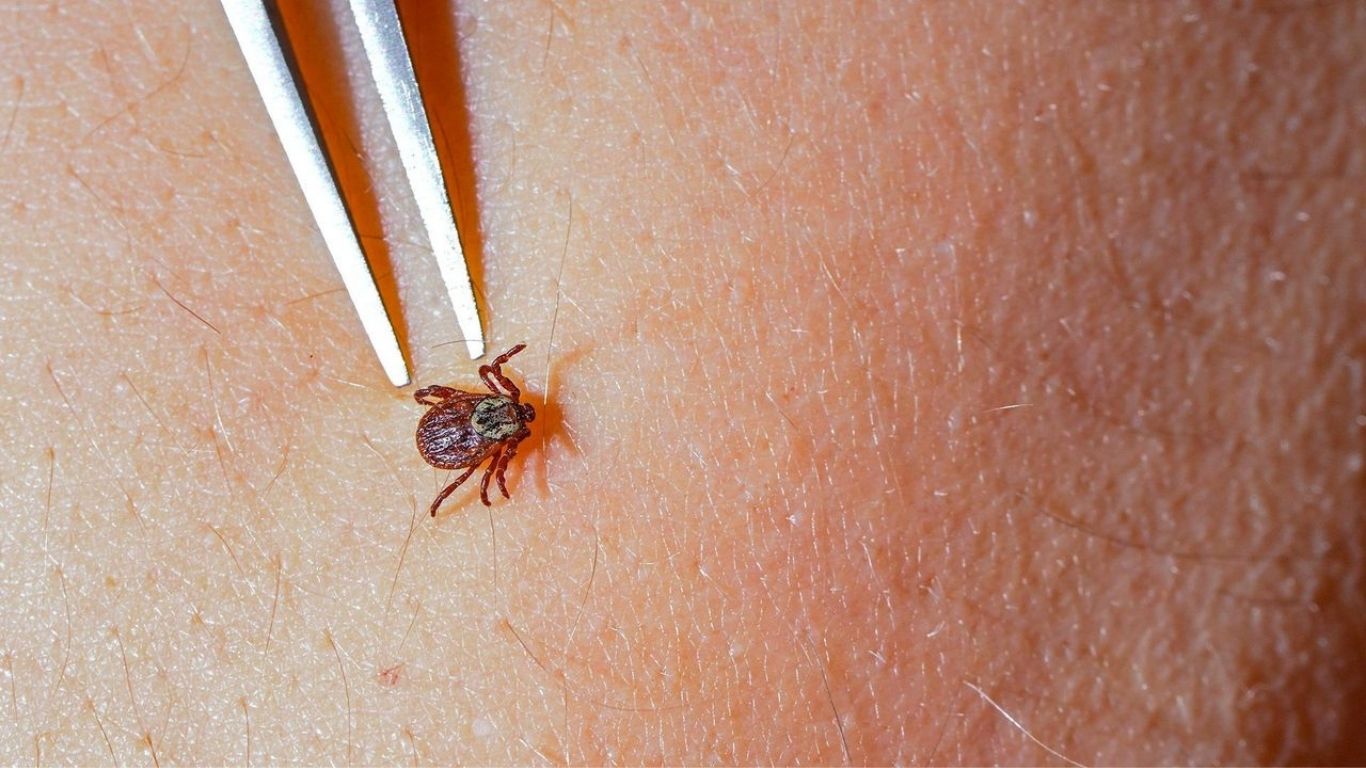
Lyme disease cases are soaring in 2025, with black-legged ticks spreading faster than ever. Learn from a leading vector ecologist what’s driving this rise, how climate change and invasive species play a role, and what you can do to stay safe.
In the dense forests and leafy backyards of the northeastern United States, 2025 has become a banner year for ticks and a frightening one for public health experts. Reports of Lyme disease and other tick-borne infections are spiking, and even the most cautious outdoor enthusiasts are finding themselves bitten despite taking every precaution.
So, what’s fueling this tick explosion?
To uncover the deeper ecological drivers, we spoke to Thomas Daniels, a leading vector ecologist and director of Fordham University’s Louis Calder Center, who has spent four decades studying Ixodes scapularis the black-legged tick, also known as the deer tick, the primary vector of Lyme disease in the northeastern U.S.
Despite Best Efforts, the Bites Keep Coming
Even with permethrin-treated clothing, picaridin repellent, full-body checks, and post-outdoor showers, tick bites are still occurring at alarming rates. One upstate New York resident recently discovered a suspicious bite despite taking every textbook precaution during just a half-hour of vegetable gardening.
“I’d done everything you’re supposed to do,” she said, recounting her meticulous anti-tick routine. Yet within days, a doctor diagnosed the bite as likely caused by a nymph-stage deer tick a phase when ticks are smaller than a poppy seed and hard to detect. Given that up to 30% of nymph ticks and nearly 50% of adult ticks carry the Borrelia burgdorferi bacteria that causes Lyme, the risk of transmission was serious enough to warrant immediate prophylactic antibiotics.
Why 2025 Is a Dangerous Year for Lyme Disease
According to Daniels, tick numbers at the Louis Calder research site are up 20–30% over 2024. But attributing the increase to a single factor—like warmer winters or acorn abundance oversimplifies the issue.
“Some years are just hot tick years,” Daniels explained. “And we don’t always know why.”
The Acorn Hypothesis: Not the Full Story
One popular theory links tick surge to oak tree mast years—when trees produce a glut of acorns, feeding more white-footed mice, which are key hosts for immature ticks. The theory suggests a chain reaction: more acorns → more mice → more infected ticks two years later.
But Daniels notes that in places like Westchester County, New York, tick populations are high this year without a corresponding mast event two years ago. “The acorn story is more complicated than it seems,” he said.
Climate Change and the Expanding Range of Ticks
While climate change isn’t solely responsible for this year’s boom, it cannot be ignored. Warmer temperatures have led to longer tick seasons, allowing them to become active earlier in the year and expand their range further north and into higher elevations.
However, Daniels stresses that tick ecology is hyperlocal, and variables like humidity, rainfall, invasive plants, and even soil type may all play a role. “It could be more than 100 different things,” he explained. “And they may change year to year.”
More Than Just Lyme: A Growing List of Tick-Borne Threats
When Daniels began his career, researchers were primarily concerned with Borrelia burgdorferi. Today, black-legged ticks can carry at least five different pathogens, including:
Babesia microti (babesiosis, a malaria-like infection)
Anaplasma phagocytophilum (anaplasmosis)
Borrelia miyamotoi (a relapsing fever spirochete)
Powassan virus (which can cause fatal encephalitis)
“Any one black-legged tick can carry multiple infectious agents,” Daniels noted, increasing the odds that a single bite could lead to co-infections with complex symptoms.
Meet the New Threats: Lone Star and Asian Longhorn Ticks
The lone star tick, once confined to the South, is increasingly found in the Northeast. It’s infamous for triggering alpha-gal syndrome, a red meat allergy caused by a sugar molecule in its saliva. And the Asian longhorn tick, a relatively new arrival in the U.S., is spreading rapidly though it hasn’t yet begun biting humans in large numbers.
These ticks bring new uncertainties. “If the Asian longhorn tick begins biting people, we’ll need to ask: what can it transmit?” Daniels said. “That’s an entirely new frontier.”
A Race for the Lyme Vaccine and the Clock Is Ticking
A new Lyme vaccine candidate is currently in phase 3 clinical trials, raising hopes of a breakthrough. The earlier LYMErix vaccine, introduced in the 1990s, was withdrawn from the market due to limited effectiveness and public skepticism.
Daniels believes the new generation of vaccines is more promising. “We understand more about the biology of the bacteria now,” he said. However, even a successful Lyme vaccine won’t solve the broader issue unless vaccines are developed to target multiple pathogens or the ticks themselves.
Stay Safe: Tick Prevention Tips That Actually Work
Until vaccines or broad-spectrum solutions emerge, prevention remains the best defense:
Use repellents containing DEET or picaridin
Treat clothing with permethrin
Avoid brushy or wooded areas
Perform daily tick checks, especially after outdoor activity
Shower promptly after being outside
And most importantly, don’t dismiss a bite, even if there’s no bull’s-eye rash. Many infections don’t start with textbook symptoms.
Ticks Are Winning but We’re Catching Up
The 2025 tick surge is a stark reminder that the climate crisis and ecological disruption are not abstract ideas they’re happening now, and they’re crawling into our yards. As new tick species emerge and old ones spread more pathogens, public awareness, scientific research, and medical innovation must evolve quickly.
For now, understanding the complex ecology of ticks, and staying vigilant, could mean the difference between a peaceful summer and a chronic illness.