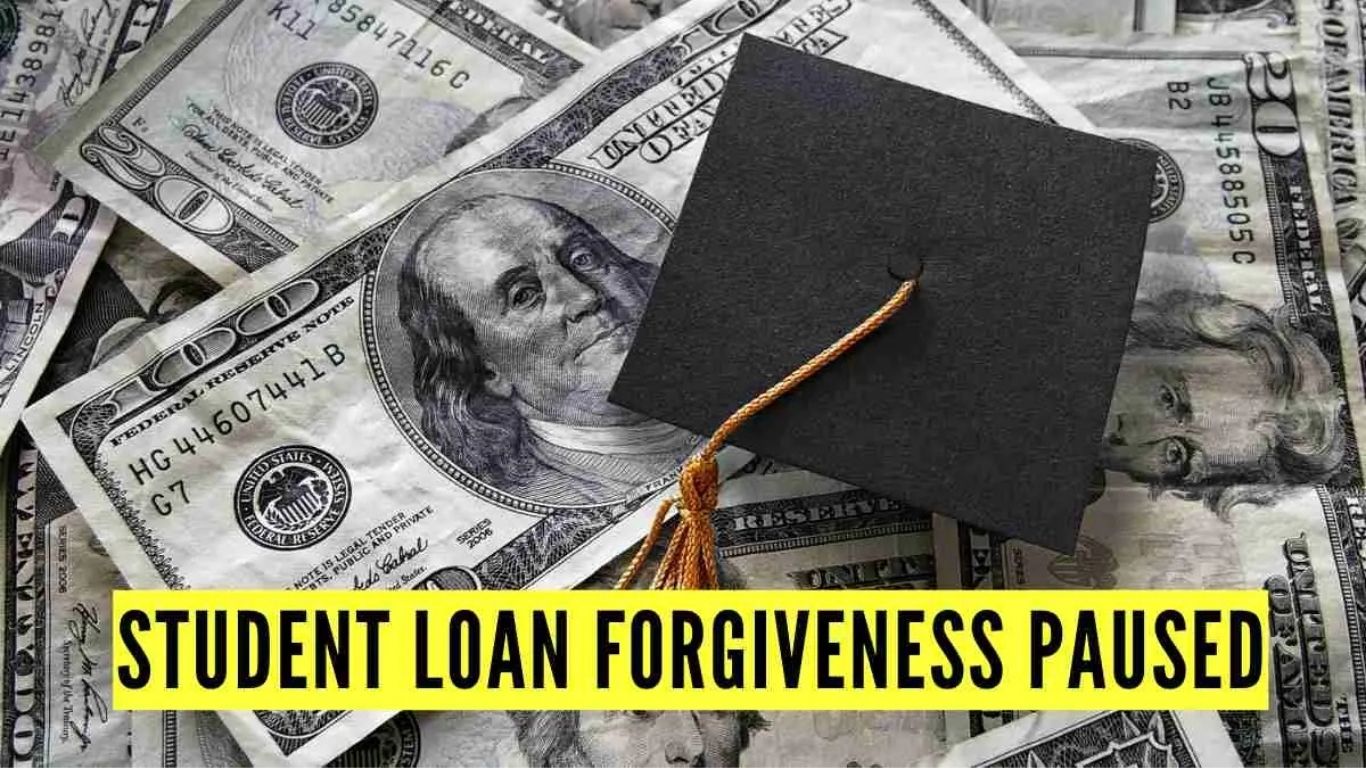
The Biden-era IBR student loan forgiveness has been temporarily paused under court orders, leaving millions confused and financially vulnerable. Discover what it means for your debt, rights, and future.
A sudden and quiet suspension of student loan forgiveness under the Income-Based Repayment (IBR) plan has left millions of long-term borrowers in shock, confused, and frustrated. The U.S. Department of Education has paused discharges for eligible IBR borrowers as it works to comply with ongoing federal court injunctions that stem from legal challenges to the Biden administration’s broader debt relief efforts.
At the center of the controversy is a federally guaranteed promise: borrowers enrolled in IBR who have made 300 qualifying monthly payments over 25 years are legally entitled to full debt cancellation. However, the recent pause buried in an FAQ section of the Federal Student Aid website has quietly undermined that assurance, and advocacy groups warn it’s creating a crisis of trust.
“As of today, if you have been in debt for 25 years, you have a right under federal law to get your debt canceled and the government is not honoring that law,” said Mike Pierce, Executive Director of the Student Borrower Protection Center (SBPC).
What Is the IBR Plan?
The IBR plan, one of four income-driven repayment (IDR) options, caps a borrower’s monthly loan payments based on their income and forgives the remaining balance after 25 years. Other plans include PAYE, ICR, and the newer SAVE plan launched during the Biden administration.
While the IBR program has existed for over a decade and has been statutorily mandated under the Higher Education Act, it’s now caught in the crossfire of legal challenges. The Department of Education confirmed the discharge pause is a direct result of court injunctions aimed at blocking aspects of the broader Biden-era forgiveness initiatives.
Ellen Keast, Deputy Press Secretary for the Department, stated:
“The Department has temporarily paused discharges for IBR borrowers in order to comply with ongoing court injunctions… For any borrower that makes a payment after they became eligible for forgiveness, the Department will refund overpayments when the discharges resume.”
Lack of Transparency Fuels Borrower Anxiety
Borrowers and advocates alike are raising alarm over the lack of transparency and communication from the Department of Education. Advocates say the administration has offered little clarity on how many people are affected, how long the pause will last, or what steps borrowers should take in the meantime.
“We don’t know how many people are affected… or why it’s happening,” Pierce said. “We’re worried that this is just the Trump administration deciding its judgment is more important than Congress’s.”
Borrowers who believed they had fulfilled their 25-year repayment obligation now find themselves still receiving bills, potentially racking up additional payments they technically no longer owe.
Potential Financial Fallout for Borrowers
Abby Shafroth, Managing Director of Advocacy at the National Consumer Law Center (NCLC), called the situation “both surprising and concerning.” Many borrowers, she noted, are at risk of paying not just unnecessary monthly bills, but large tax bills in their 2026 returns if balances aren’t cleared soon.
“It’s going to cost people more money,” Shafroth warned. “Borrowers will keep getting billed on debts that they no longer owe.”
Shafroth also criticized the Department for mishandling the one program it actively promoted as a reliable path to debt forgiveness.
“If they don’t fix it, it’s going to break down trust and it already has,” she said. “It really alienates borrowers and makes them stop trusting the government.”
Trump Administration’s Education Agenda Raises New Questions
The forgiveness pause coincides with a dramatic policy shift under President Donald Trump, who recently signed the One Big Beautiful Bill Act. Among its many provisions is a clause that terminates all existing student loan repayment plans including SAVE, IBR, PAYE, and ICR for loans disbursed after July 1, 2026.
The legislation aims to replace the current landscape with just two plans: a standard repayment plan and the new Repayment Assistance Plan, which is also income-driven but has yet to be fully implemented. These changes, too, are now facing legal challenges.
Secretary of Education Linda McMahon defended the department’s restructuring efforts and insisted the reforms are meant to simplify the system not punish borrowers.
“When you’re in default on a loan, you can’t buy a house or a car,” she said. “Be proactive and get back into one of the payment plans.”
What Borrowers Should Do Now
While the legal and political battles rage on, experts urge borrowers to stay informed and document all communication and payments. If you’re eligible for IBR forgiveness but still making payments, you may be entitled to full reimbursement once discharges resume.
“People with student loans do still have rights under the law, including the right to get their debt cancelled,” Pierce emphasized. “The Trump administration can’t wish that away.”
For now, patience, advocacy, and awareness remain key. Borrowers are encouraged to follow updates on the Federal Student Aid website and seek assistance from loan servicers or advocacy organizations.