A Critical Warming Limit
The planet is heating up — and fast. A recent report released in June sends a chilling message: we are within just three years of breaching the critical 1.5°C global warming threshold. This isn’t just a scientific metric. It’s the red line drawn by climate scientists around the world — the point after which climate change could spiral beyond control. Why does 1.5°C matter so much? Because every fraction of a degree above it pushes our ecosystems closer to collapse. Coral reefs die. Glaciers vanish. Weather turns wild. For vulnerable nations, this isn’t about the future — it’s their present. Heatwaves in Europe, flash floods in South Asia, wildfires in North America — these are no longer “once-in-a-century” events. They’re the new normal. If we cross this line, we risk permanent damage. But the good news? We haven’t crossed it — yet.
Consequences of Inaction
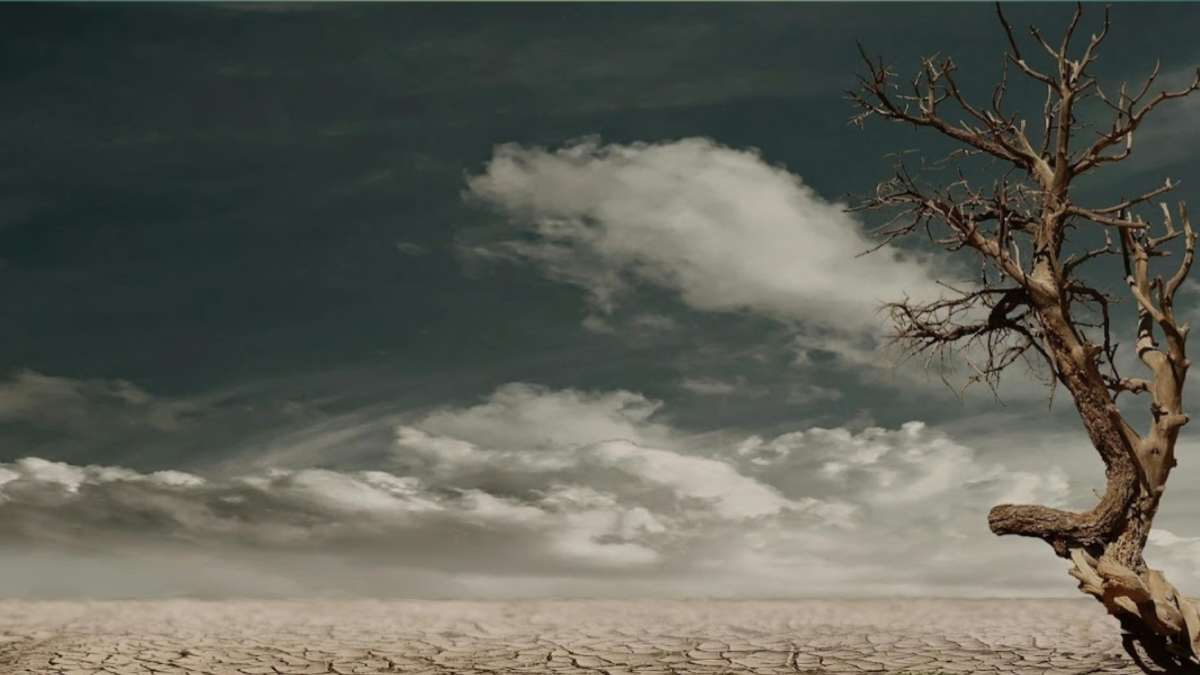
Imagine a world where coastal cities are slowly swallowed by the sea. Where crops fail under heat-stressed skies. Where clean water becomes scarce, and conflict grows over disappearing resources. This is the world we inch closer to if we fail to limit global warming. Scientists warn that breaching 1.5°C could unleash irreversible climate feedback loops. Melting permafrost releases methane. Dying forests stop absorbing CO₂. And as temperatures climb, even more emissions are triggered — a vicious, self-fueling cycle. Economies, too, would reel under the pressure. From insurance losses to migration crises, no nation would be untouched. The poorest countries would suffer first and worst — but no one would be safe. This isn’t fear-mongering. It’s what science tells us. Climate change isn’t coming. It’s here. And every year we delay meaningful action, the cost — in dollars and in lives — multiplies.
Pathways to Mitigation
Yes — but only if we act with boldness, urgency, and unity. The technologies to cut emissions exist. The knowledge is here. What we lack is time — and the political will. To reverse the curve, the world must slash carbon emissions by nearly half by 2030. That means replacing coal and oil with wind and solar. Electrifying transport. Rethinking the way we farm and eat. Restoring forests and wetlands. Innovating with cleaner industries. And perhaps most critically, holding corporations and governments accountable. Every choice matters — from a nation’s energy policy to your daily commute. This isn’t about perfection. It’s about momentum. Climate action isn’t just a burden; it’s an opportunity. A greener economy, new jobs, better air, and healthier lives — these are the rewards if we choose the right path. The door is closing, but it hasn’t slammed shut.
Global Equity in Climate Action
Not all countries contributed equally to this crisis. Industrial nations have emitted the most carbon, while developing nations often suffer the worst effects. This injustice must be addressed. Climate action must be global — but also fair. Wealthy nations must lead the way by investing in clean energy and reducing their own footprints. They must also support climate-vulnerable nations through finance, technology, and adaptation strategies. Climate justice is not charity — it’s a responsibility. At the same time, every country must commit to real change. Excuses no longer hold. The atmosphere doesn’t care who emits the CO₂ — only how much. Whether it’s a smokestack in Texas or deforestation in the Amazon, emissions affect all of us. Cooperation across borders, sectors, and societies is the only way forward. Climate change is a global problem — and it demands a global response.
Individual Impact in a Global Crisis
It’s easy to feel powerless in the face of a planetary crisis. But individual action still matters — deeply. The way you live, consume, vote, and speak out can influence the world around you. Switch to renewable energy if possible. Use public transport or cycle. Cut food waste. Reduce meat consumption. Support sustainable brands. Most importantly, raise your voice. Demand climate action from your leaders, your workplace, your community. Share facts. Spark conversations. Join movements. The truth is: millions of small changes become a tidal wave of transformation. We cannot afford to wait for perfect heroes. We need millions of imperfect but willing hands, doing their part. The next three years are critical. The choice is ours: act now, or accept the cost of delay. Time is short — but hope is still alive.