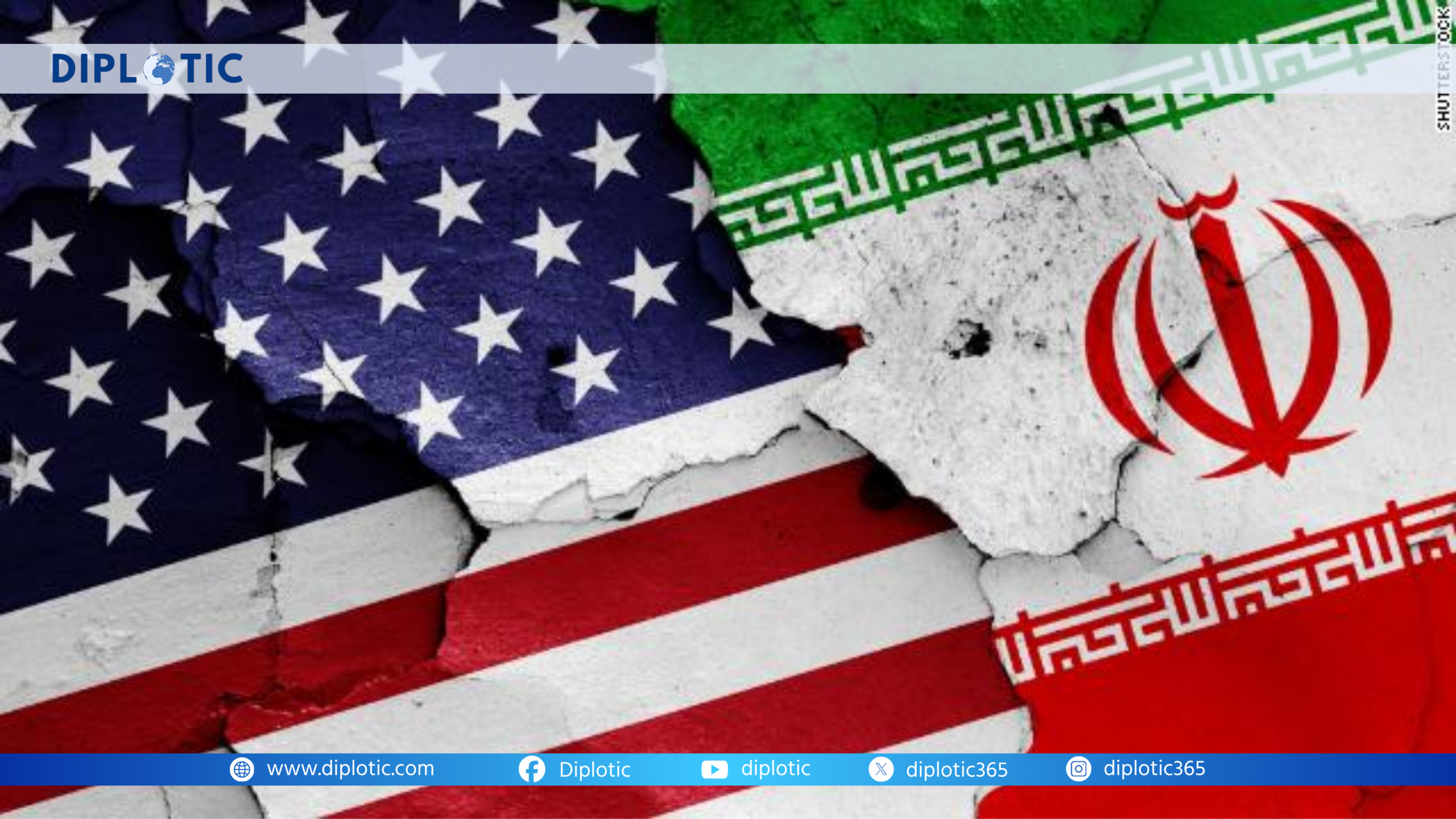
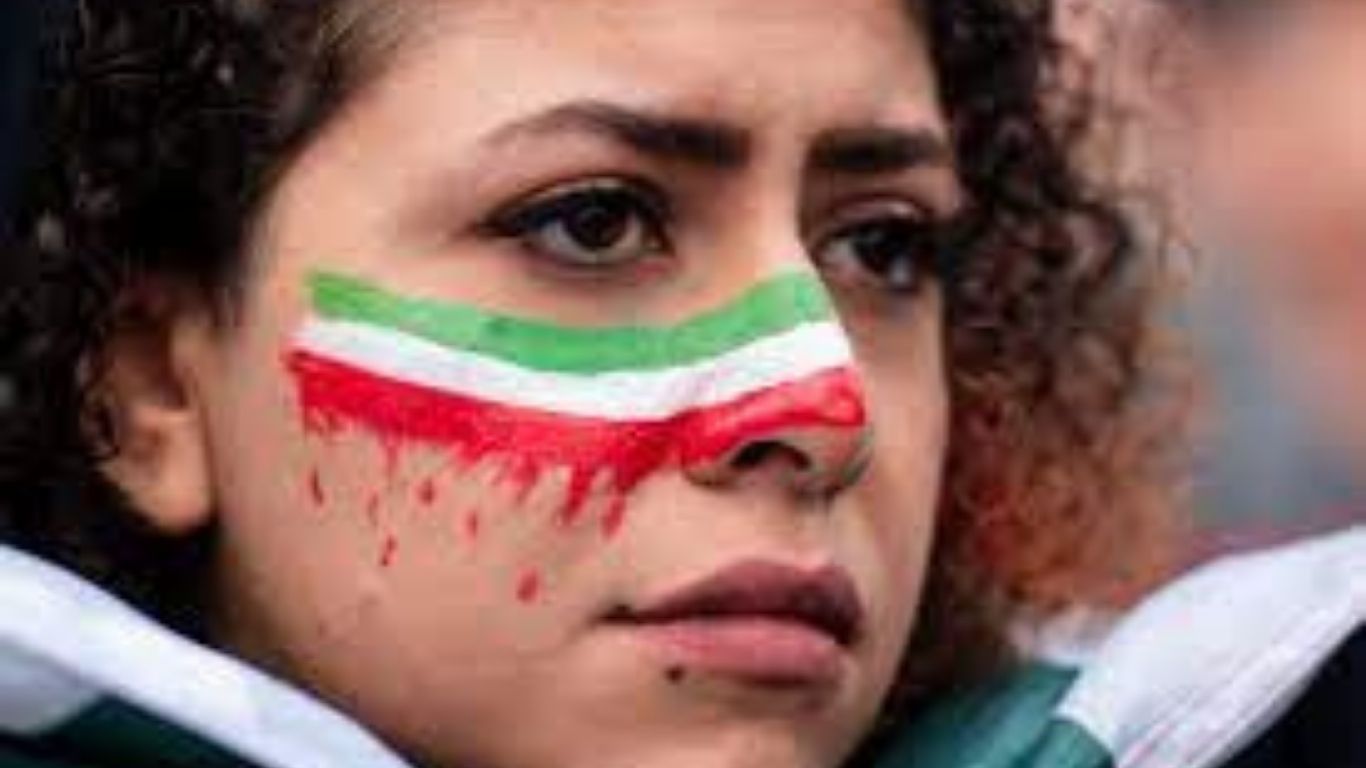
President Donald Trump has dramatically shifted the geopolitical landscape, confronting Iran with a stark ultimatum: return to negotiations and accept a new deal or face the possibility of devastating military action, potentially alongside Israel and with the tacit support of the United States. This display of raw power is not just a message to Tehran but also a clear signal to Europe and the broader international community about America’s willingness to act unilaterally and decisively.
The Strategic Dilemma for Iran
Trump’s approach is rooted in the concept of “maximum pressure,” a strategy that uses both economic sanctions and the threat of military force to compel Iran to the negotiating table. The U.S. president’s recent statements and actions underscore that any potential agreement must be strictly on American terms, with Trump positioning himself as the sole decision-maker in the process.
- Ultimatum: Iran must choose between engaging in negotiations or facing severe military consequences, including the destruction of its nuclear facilities and security infrastructure.
- Deal on Trump’s Terms: The U.S. insists that Iran completely abandon its nuclear ambitions, particularly uranium enrichment, which Iran views as a matter of national sovereignty.
- Risk of Escalation: Failure to comply could result in a catastrophic conflict, with unpredictable consequences for the region and beyond.
Europe’s Position: Marginalized and Divided
At the recent G7 summit in Canada, Trump’s early departure highlighted his disregard for European-led multilateral diplomacy and left European leaders scrambling to maintain unity and relevance. The summit’s final communique was notably weak, merely affirming Israel’s right to self-defense and avoiding any strong language calling for a ceasefire.
- Diplomatic Efforts: European leaders, including those from France, the UK, and Germany, have attempted to mediate, advocating for restraint and a diplomatic solution.
- Limited Influence: Despite their efforts, European leaders have found themselves sidelined, with the U.S. and Israel dictating the terms of engagement.
- Internal Divisions: The lack of a unified European stance has further weakened the continent’s ability to influence the outcome of the crisis.
The Nuclear Crisis: Core Issues and Red Lines
The heart of the standoff lies in Iran’s nuclear program. Trump demands that Iran give up all uranium enrichment, a demand that strikes at the core of Iran’s sense of sovereignty and national pride. Iran, for its part, insists that it will not relinquish its right to enrich uranium, making compromise extremely difficult.
- U.S. Position: No nuclear weapons for Iran under any circumstances; all options, including military force, are on the table.
- Iran’s Response: Iran is open to negotiations if sanctions are lifted but remains firm on its right to nuclear technology.
- Recent Escalations: The situation has worsened following Israeli attacks on Iranian nuclear and military sites, with both sides exchanging missile and drone strikes.
Europe’s Role: Bystander or Broker?
Despite their diplomatic efforts, European leaders have largely been relegated to the sidelines1. Their attempts to broker peace and push for de-escalation have not prevented the U.S. and Israel from taking unilateral action.
- Mediation Attempts: European diplomats have relayed U.S. proposals to Iran but admit they are not fully included in the decision-making process.
- Public Statements: Leaders like French President Emmanuel Macron and UK Foreign Secretary David Lammy have warned against military solutions and advocated for diplomacy, but their influence remains limited.
The Broader Impact: Regional and Global Tensions
The crisis has far-reaching implications beyond the immediate parties involved.
- Regional Instability: The threat of a wider conflict looms, with neighboring countries preparing for potential fallout.
- Economic Consequences: Oil prices have surged, and global markets remain jittery amid fears of a broader war in the Middle East.
- International Reactions: Russia, excluded from the G7, has dismissed the group’s relevance, while other global leaders express concern over escalating tensions.
Conclusion: The Sword or the Pen?
Trump’s strategy has laid bare the “balance of incentives and risks” for Iran, forcing its leaders to make a painful choice between negotiation and confrontation. For Europe, the crisis is a sobering reminder of its limited influence in global security matters, as the U.S. and its allies wield the sword while Europe drafts statements. The world now waits to see if Iran will choose diplomacy or risk catastrophic conflict.