

In a renewed campaign to consolidate influence across the Pacific, China has pledged sweeping economic support for vulnerable island nations under the banner of combating climate change sparking fresh scrutiny over what critics are calling a textbook case of debt trap diplomacy.
During a summit in Xiamen on Wednesday, Chinese Foreign Minister Wang Yi announced Beijing’s intention to fund 100 “small but beautiful” development projects over the next three years in Pacific Island countries aligned with China. The initiative part of President Xi Jinping’s Belt and Road Initiative (BRI)—is being framed as a lifeline for nations on the climate crisis frontline. But analysts and watchdogs warn it may be another tool in Beijing’s strategic playbook to entangle fragile states in unsustainable debt.
“China fully recognises the vulnerability of the economic and social development of the Pacific Island countries in the face of the climate change crisis,” Wang said, according to a Chinese Foreign Ministry readout.
In addition to the infrastructure projects, China announced a $2 million investment package targeted at clean energy, ocean conservation, low-carbon development, tourism, and fisheries a figure seen as modest compared to previous Chinese financing waves, in line with a broader economic slowdown in its $19 trillion economy.
A Trojan Horse of Green Aid?
The announcement comes at a pivotal time. With U.S. aid programs to the Pacific stalled due to political gridlock and punitive tariffs hitting multiple regional economies, many island governments have been left scrambling for alternatives. Beijing’s offer of support however limited in dollar value presents an attractive (if fraught) proposition.
Still, concerns abound. The BRI has long been criticized for luring vulnerable countries into opaque loan agreements and saddling them with debts that can lead to political leverage, strategic concessions, or even control of key infrastructure Sri Lanka’s Hambantota Port being a frequently cited example.
“These aren’t just development deals. They’re geopolitical IOUs,” said a regional analyst based in Canberra, warning that the apparent altruism hides long-term strategic interests.
China already accounts for around 30% of global carbon emissions, the most of any nation and its emissions are rising faster than any other country. Critics argue this makes its climate leadership claims appear hypocritical, even performative.
Strategic Depth in Shallow Waters
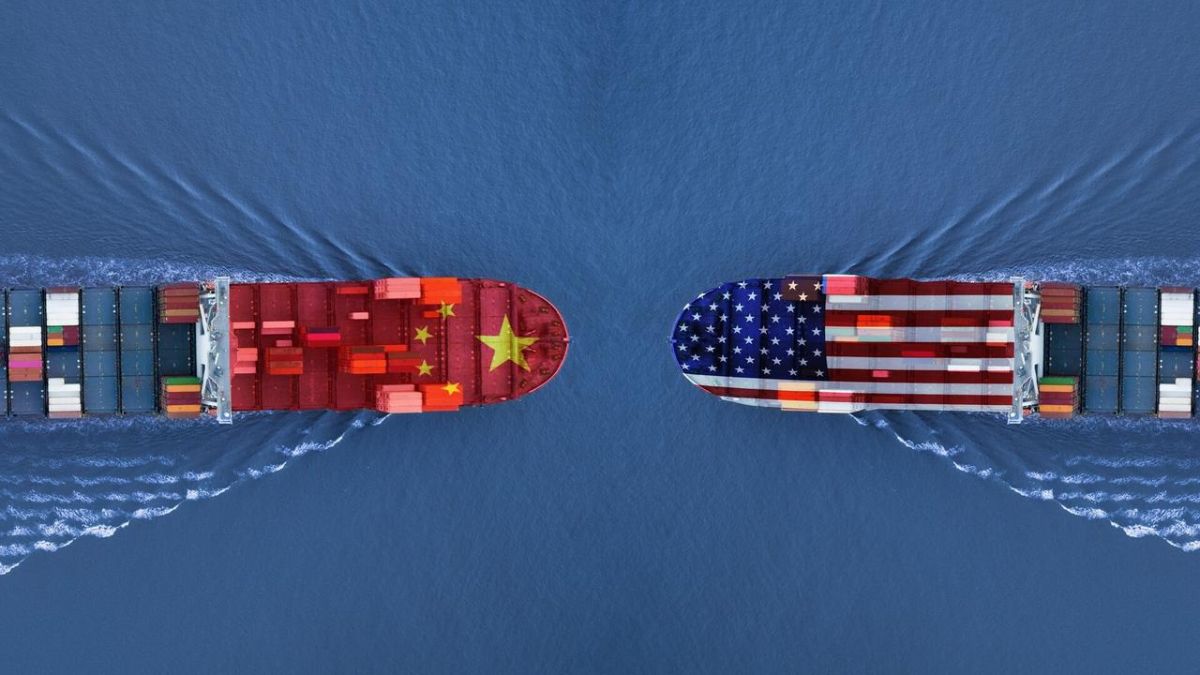
The Pacific Island region has become an increasingly crowded strategic theatre, with China, the United States, and Australia vying for influence. Many of these countries, rich in marine resources and located along key maritime routes, have become battlegrounds for soft power supremacy.
Yet, some island governments often plagued by corruption, weak institutions, and opaque governance are eager for infrastructure and investment, even if it comes with strings attached. “There’s a reason some have dubbed these countries ‘grifter states’,” said one anonymous Western diplomat. “They’ll take money from anyone, no questions asked.”
While $2 million may appear paltry on paper, the symbolism of Beijing’s continued presence in the Pacific and its commitment to “climate leadership” may be enough to further erode Western influence, especially at a time when the United States appears distracted and disengaged.
Conclusion: Altruism or Ambition?
Beijing’s Pacific overtures present a conundrum: Can a top global polluter credibly claim climate leadership? And are the projects truly developmental or just strategic chess moves cloaked in sustainability rhetoric?
For now, Pacific Island leaders will weigh the risks and rewards, balancing immediate development needs against the specter of long-term dependency. As the West hesitates, China is stepping in not just with money, but with a message: When others retreat, we build.




