

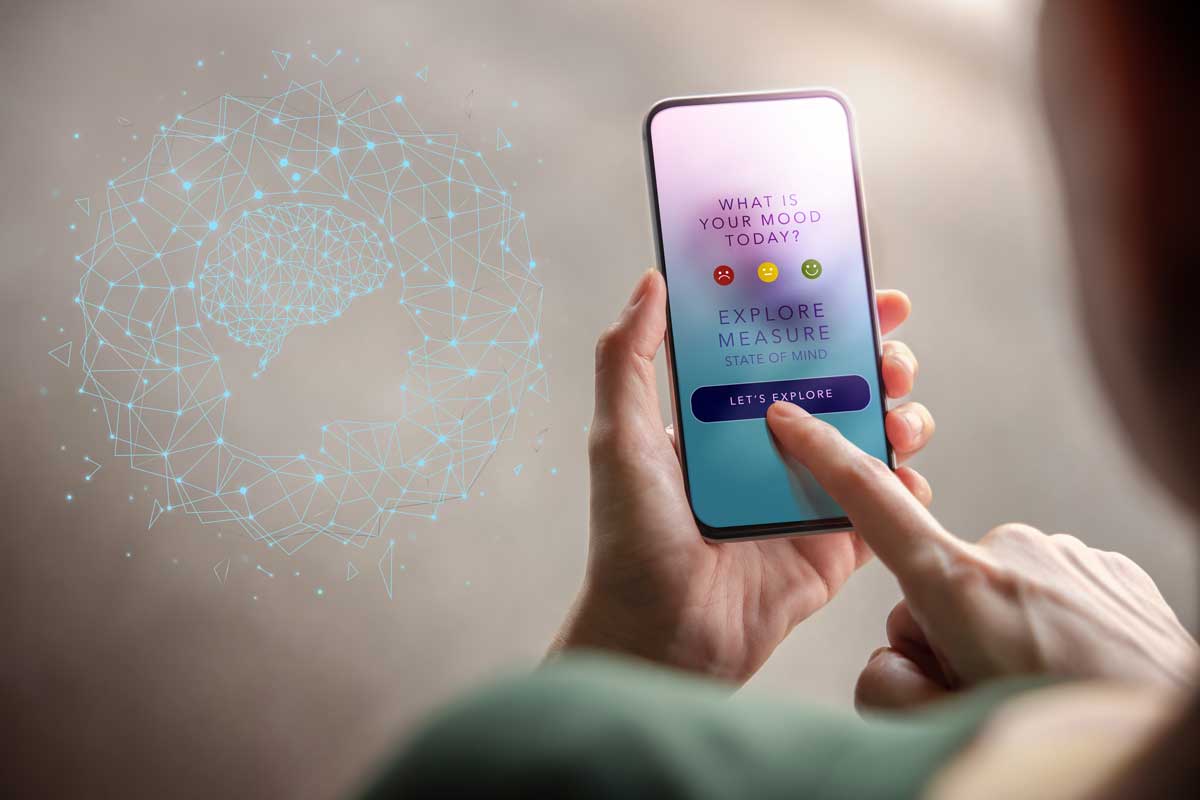
Explore how social media is affecting teen mental health both positively and negatively. Learn what the latest research reveals, why experts are divided, and what parents can do to protect their children’s well-being.
In a world increasingly mediated through screens, social media has transformed how we communicate, connect, and consume information. For teenagers especially, this digital revolution is a double-edged sword offering unparalleled access to connection and support, while simultaneously presenting new and serious risks to mental health.
The Promises of Connectedness
Social media is not without its defenders. One of its most praised features is its ability to help teens connect. As social beings, humans depend on peer relationships for emotional stability and growth, and adolescents are particularly reliant on these bonds. According to the National Institutes of Health (NIH), platforms like Instagram, TikTok, Snapchat, and Facebook offer teens avenues to engage with communities centered around shared experiences whether it’s fandoms, hobbies, identities, or struggles.
Jessica Freeman, assistant professor of communication at Augusta University, supports this view with a personal example: “I have a friend whose child, a neurodivergent teenager, met many people she’d call friends, online. She had trouble socializing otherwise and made some of her strongest connections online versus in-person interactions.” These online spaces can provide belonging and validation lifelines for teens who feel isolated or marginalized offline.
Another benefit often highlighted is access to mental health resources. The National Institute of Mental Health (NIMH) notes that social media offers teens a chance to learn about self-care strategies, mental wellness, and coping mechanisms through content created by therapists, advocates, and peers. In theory, this digital exposure to expert insight and peer empathy could empower teens to manage stress, depression, or anxiety.
But a critical question remains: “Are teens actually using these resources?” While platforms enable access, the reality of whether teens actively engage with this content is far less clear. And that gap between potential and practice matters deeply.
The Growing Mental Health Crisis
Despite these possible upsides, extensive research points to a sobering reality: from 2010 to 2015, there was a dramatic global spike in teen mental health issues. Anxiety, depression, self-harm, and suicide among adolescents surged at rates that have left health professionals deeply alarmed.
One of the most perplexing aspects of this crisis is its global nature. Countries across North America, Europe, Asia, Latin America, and Oceania report similar spikes, all occurring within a comparable time frame. This synchronicity casts doubt on localized explanations like school pressure, economic uncertainty, or political stressors.
What could possibly connect teenagers from such different societies in a shared mental health downturn?
The most consistent common factor is the widespread adoption of smartphones and the rise of social media. While correlation does not always equal causation, the parallel timing is difficult to dismiss outright.
The Debate: Caution vs. Doubt
Not all experts are convinced that social media is to blame. Some argue that the root causes of deteriorating mental health in teens may lie elsewhere unstable housing, school disengagement, racial trauma, climate anxiety, and other societal pressures. These researchers, often described as the “doubters,” are wary of assigning direct causality without stronger evidence.
At the heart of this debate is a distinction between necessary and sufficient causes. While social media may not be a sufficient cause on its own to explain poor mental health outcomes, many believe it is increasingly clear that it is a necessary factor, a catalyst that amplifies existing vulnerabilities.
Meanwhile, the “alarm-raisers” have broadened their focus beyond self-reported data, which can be subjective. They point to hard metrics: increasing rates of psychiatric hospital admissions, emergency room visits for self-harm, and cross-country statistical trends. These numbers, unlike self-assessments, are difficult to dispute and paint a grim picture.
What Are Parents to Do?
Amid expert disagreement, many parents feel overwhelmed. With conflicting studies and heated academic debates, it’s tempting for caregivers to tune out and rely solely on instinct. Yet the complexity of the issue doesn’t mean the evidence is useless. Most researchers are not seeking absolute proof they are assessing trends and weighing the risks.
And the trends are troubling enough to justify caution.
While it’s difficult to determine whether cyberbullying is more damaging than sleep disruption or low self-esteem is worse than eating disorders, what matters is that all these issues correlate strongly with excessive social media use. Regardless of which effect is “the worst,” the sheer volume and intensity of risks should not be ignored.
Moving Forward: Awareness and Action
There may not be a silver bullet solution to the teen mental health crisis. But there are concrete steps that parents, educators, and teens themselves can take:
Encourage balanced tech use: Promote screen-free time and outdoor or in-person activities.
Open dialogue: Talk regularly about online experiences, peer pressure, and emotional health.
Follow the right accounts: Help teens find and follow credible mental health advocates.
Model healthy behavior: Adults should model mindful tech habits and emotional openness.
Social media is not inherently good or bad it’s a tool. Like any powerful tool, its impact depends on how it’s used and how closely its effects are monitored.
Final Thought
The rise in teen mental health issues may not have one cause, but the timing and consistency of the data suggest that social media plays a critical role. As the digital age matures, our understanding of its psychological costs must mature with it. Parents don’t need perfect clarity to take action. When it comes to protecting the minds and hearts of young people, even probable risk is reason enough to stay alert.




