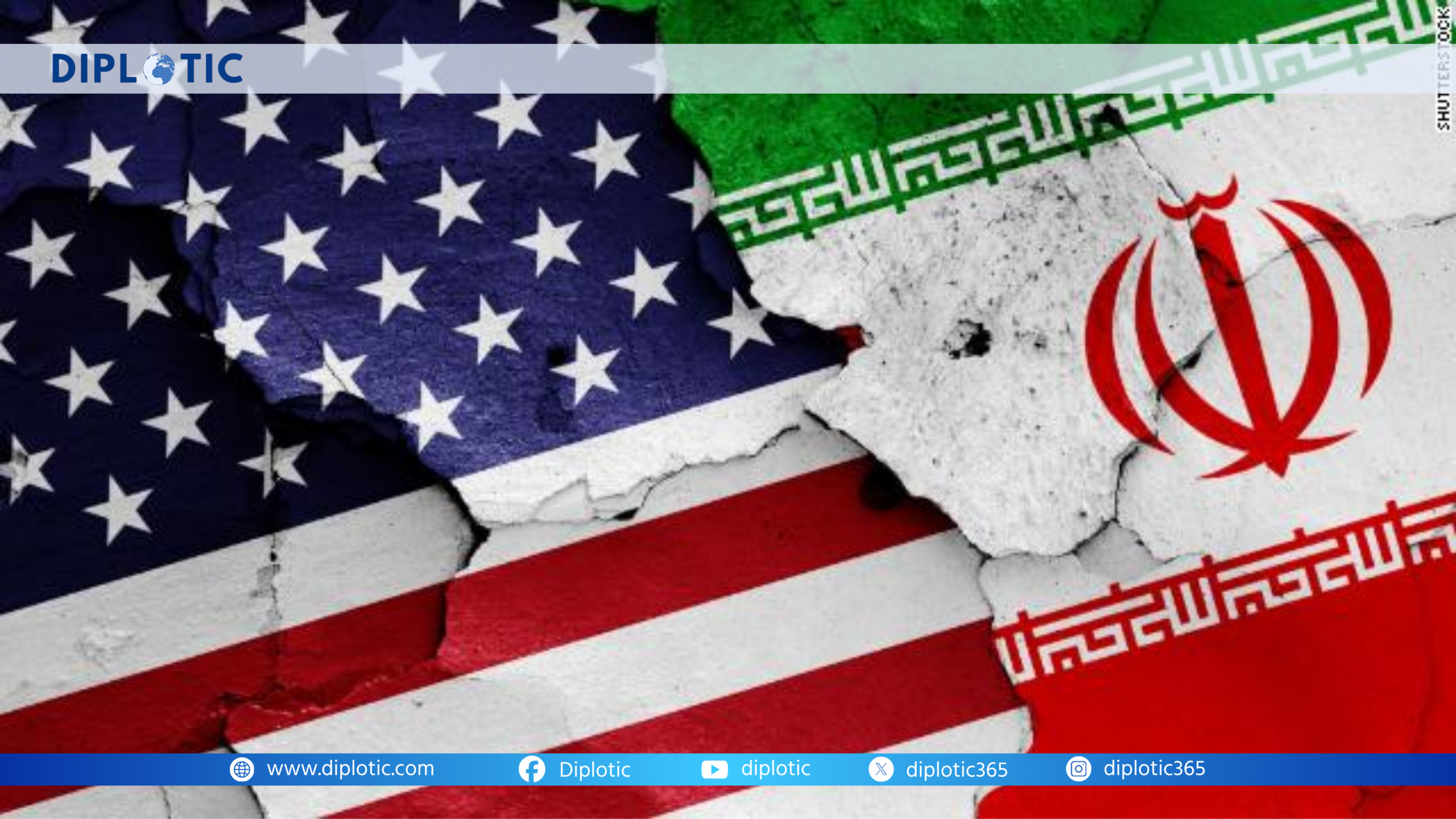
Discover why countries around the world maintain tariffs despite their economic drawbacks. Explore the political, psychological, and economic forces driving global protectionism in this comprehensive analysis.
The Paradox of Tariffs in a Global Economy
Despite decades of economic research showing that free trade benefits nations, tariffs remain widespread across the globe. From the United States to emerging economies, trade restrictions continue to influence global markets. This leads to a perplexing question: If tariffs are economically harmful, why does nearly every country still use them?
The answer lies in a blend of political incentives, economic myths, and human psychology. Understanding the real drivers behind tariffs is essential for businesses, policymakers, and consumers alike.
What Are Tariffs? A Brief Overview
Tariffs are taxes imposed on imported goods. By increasing the cost of foreign products, they aim to make domestically produced alternatives more competitive. While the intention may seem patriotic or protective, the outcome is often the opposite: higher consumer prices, less competition, and slower innovation.
The Political Engine: Concentrated Benefits, Diffused Costs
One of the most powerful reasons tariffs persist is due to a concept economists call “concentrated benefits and diffused costs.”
- Concentrated benefits: A small group, such as sugar producers or steel manufacturers, receives significant advantages from tariff protection.
- Diffused costs: These are spread across millions of consumers, each of whom may only experience a small increase in price, making it politically unnoticeable.
For example, the U.S. sugar industry gains approximately $1.4 billion annually from sugar tariffs. Meanwhile, American consumers collectively lose at least $2.4 billion a cost so widely distributed that few people realize they’re paying it.
Tariff beneficiaries have both the financial incentive and organizational capacity to lobby effectively. In contrast, average consumers have little reason to organize protests over a few extra dollars at the grocery store.
A Classic Justification That Rarely Ages Well
Another popular rationale for tariffs is the “infant industry” argument, which claims that new sectors need temporary protection to develop and compete internationally. Even classical free-trade advocate John Stuart Mill supported this view under certain conditions.
However, the problem arises when “infant” industries refuse to grow up. Once protected, they tend to rely on continued government support, becoming dependent and inefficient.
Just like welfare programs may foster dependency in individuals, tariff protection does the same for businesses. And thanks to lobbying and political inertia, these protections often outlast their original purpose if there ever was one.
Nationalism and Anti-Foreign Bias: A Deep Psychological Driver
Beyond economics and politics, human psychology plays a vital role in sustaining tariffs. Many people view trade through a zero-sum lens, believing that if another country gains, theirs must be losing.
This anti-foreign bias sees international trade not as cooperation, but as competition. Politicians often exploit this sentiment, presenting tariffs as a way to “defend” national interests even when they hurt domestic consumers.
During the Trump administration, even allies like Canada became targets of trade restrictions, illustrating how nationalist rhetoric can override economic logic.
The Global Tariff Landscape: A Universal Problem
It’s tempting to think that only protectionist regimes engage in heavy tariff use, but the truth is that tariffs are a global issue. From India to Brazil to the EU, countries continue to impose trade barriers for political, economic, or nationalistic reasons.
Even developing countries that rely on World Trade Organization (WTO) protections often maintain tariffs long after their industries have matured. The WTO has repeatedly tried to reduce global trade barriers, but progress remains slow due to entrenched political interests.
The Economic Reality: Tariffs Hurt More Than They Help
Tariffs may protect specific industries, but the overall economic impact is negative:
- Higher consumer prices
- Reduced product variety
- Slower innovation
- Retaliation from trading partners
These consequences ripple throughout the economy, ultimately stifling growth. In today’s interconnected, positive-sum global economy, everyone stands to gain from trade provided it’s fair and open.
Consider this: since China joined the WTO in 2001, Americans have become more than one-third richer on average, despite China’s own growth. Trade allowed both nations to win, debunking the myth that one’s success must come at the other’s expense.
The Lessons of the Trade War: A Case Study in Self-Harm
The U.S.-China trade war, initiated with the promise of curbing unfair practices, resulted in eight rounds of retaliatory tariffs. The outcome? U.S. companies faced higher input costs, consumers paid more, and China diversified its trade partners.
Did the tariffs force China to change its behavior? Not significantly.
This modern case study demonstrates that tariffs are a blunt instrument rarely effective at achieving diplomatic or economic goals and frequently counterproductive.
Trade Is Human Nature: A Hopeful Perspective
Despite the dark politics of protectionism, trade is also deeply human. Archaeological evidence shows humans have been trading over long distances since prehistoric times. Adam Smith called humans a “trading animal” for good reason.
The post-World War II global consensus aimed to remove trade barriers, recognizing that cooperation fuels prosperity. Institutions like the GATT and WTO were built on the principle that open markets benefit all.
If tariffs persist, it’s because we must continually relearn economic truths that are easy to forget amidst political rhetorics.
Conclusion: Tariffs Are a Symptom, Not the Solution
So, why do so many countries have tariffs? Because politics favors the powerful few, human psychology resists foreign cooperation, and economic myths endure. But this doesn’t make tariffs wise or effective.
To break the cycle, citizens must become informed and engaged. Recognizing that tariffs impose hidden costs on everyone, we must push for policies rooted in cooperation, not fear.
As history shows, global trade has lifted billions out of poverty and enriched countless lives. Turning back toward protectionism is not just economically flawed it’s a betrayal of the modern world’s greatest success story.