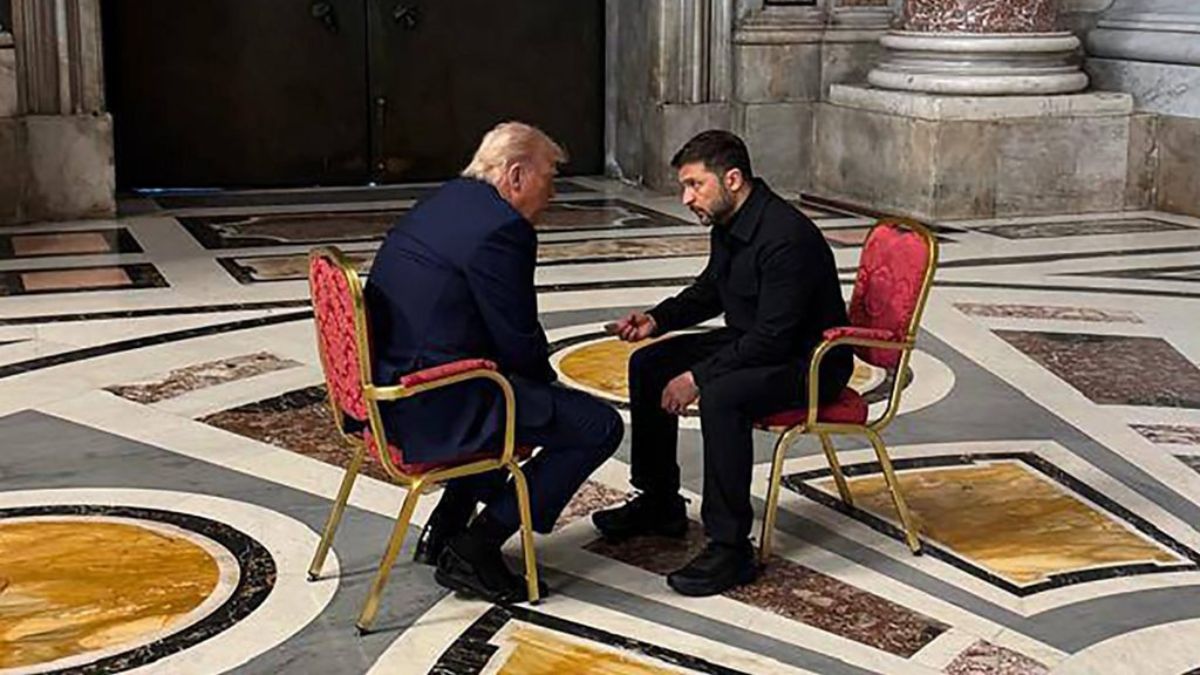
Donald Trump pressures Ukraine to accept a controversial peace plan favoring Russia. Recent reports reveal that Trump is pressuring Ukraine to accept a peace plan that heavily favors Russian interests. This development raises concerns among global leaders, foreign policy experts, and democracy advocates. With the ongoing war between Ukraine and Russia continuing to devastate the region, Trump’s intervention could have significant geopolitical consequences.
Inside Trump’s Controversial Peace Plan
According to sources close to the situation, Trump’s proposed peace plan would solidify Russian control over Crimea and parts of Eastern Ukraine. Instead of advocating for the withdrawal of Russian forces, the plan would freeze current frontlines, effectively legitimizing Russia’s territorial gains. It would also prevent Ukraine from joining NATO or forming strong military alliances without Russia’s approval. Rather than restoring justice and stability, this proposal appears to reward Moscow’s aggressive invasion, undermining the very principles of international law.
Many observers have raised alarms over the deal, describing it as a clear capitulation to Vladimir Putin’s ambitions. Far from offering a path to genuine peace, Trump’s proposal could embolden Russia and other authoritarian regimes around the world, sending a dangerous message that force and occupation can be legitimized by political deals.
Ukraine’s Strong Rejection
Ukrainian President Volodymyr Zelensky and his government have made it unmistakably clear that they will not accept a peace deal that sacrifices Ukrainian sovereignty. President Zelensky emphasized that any lasting peace must include the complete withdrawal of Russian forces and the restoration of Ukraine’s internationally recognized borders. For Ukraine, this is not just a territorial issue — it is a fight for survival, freedom, and national dignity.
Zelensky’s firm stance has earned praise from Ukraine’s Western allies, who continue to provide military and humanitarian support. Officials across Europe and North America have warned that forcing Ukraine into an unjust peace would not only betray the Ukrainian people but also compromise the stability of Europe for generations to come.
Trump’s Motives Under Scrutiny
The motivations behind Trump’s pressure campaign are being heavily scrutinized. Political analysts suggest that Trump may be positioning himself as the “peace candidate” for the 2024 U.S. presidential election, seeking to capitalize on voter fatigue over foreign wars. Others point to Trump’s historically warm rhetoric toward Vladimir Putin and question whether deeper political alignments are at play. Some believe Trump is appealing to isolationist sentiments among his base, pushing for an end to U.S. involvement overseas, regardless of the consequences for democracy and international stability.
Regardless of motive, the impact of Trump’s actions is clear: they risk undermining the hard-won unity of the Western alliance and legitimizing one of the most brutal invasions of the 21st century.
Global Reaction: Unified Resistance
The global response to Trump’s proposal has been overwhelmingly critical. European Union leaders have stressed that peace must come with justice, not capitulation. NATO officials have warned that rewarding Russian aggression would encourage further conflicts elsewhere, from Eastern Europe to Asia. Even within the United States, prominent voices from both the Republican and Democratic parties have pushed back against any plan that would hand Putin an easy victory.
International human rights groups have also voiced concern, noting that millions of Ukrainians have suffered displacement, loss, and violence under Russian occupation. Any peace deal, they argue, must prioritize human rights, justice, and accountability — not just the political interests of powerful figures.
What Lies Ahead for Ukraine and the World
Ukraine remains determined to resist pressure and continue its fight for full sovereignty. Backed by billions of dollars in aid and a coalition of global allies, Ukraine is not only defending its territory but standing as a symbol of democratic resilience. The stakes could not be higher. How the world responds to Trump’s push for a Russia-friendly peace will shape not only the outcome of the Ukraine conflict but also the future of international norms.
If Ukraine is forced into a settlement that rewards aggression, it could encourage authoritarian leaders elsewhere to believe that might makes right. But if Ukraine holds firm — and if the world stands behind it — the outcome could reinforce the principle that sovereignty, freedom, and justice must be protected at all costs.
Conclusion: A Critical Moment for Democracy
Donald Trump’s pressure on Ukraine to accept a peace plan that favors Russia has triggered widespread alarm across the globe. As Ukraine fights to defend its sovereignty against aggression, the international community faces a choice: to stand with the principles of freedom and international law or to allow political expediency to shape a dangerous new world order. The decisions made now will echo far beyond Ukraine’s borders, affecting the fate of democracies everywhere.