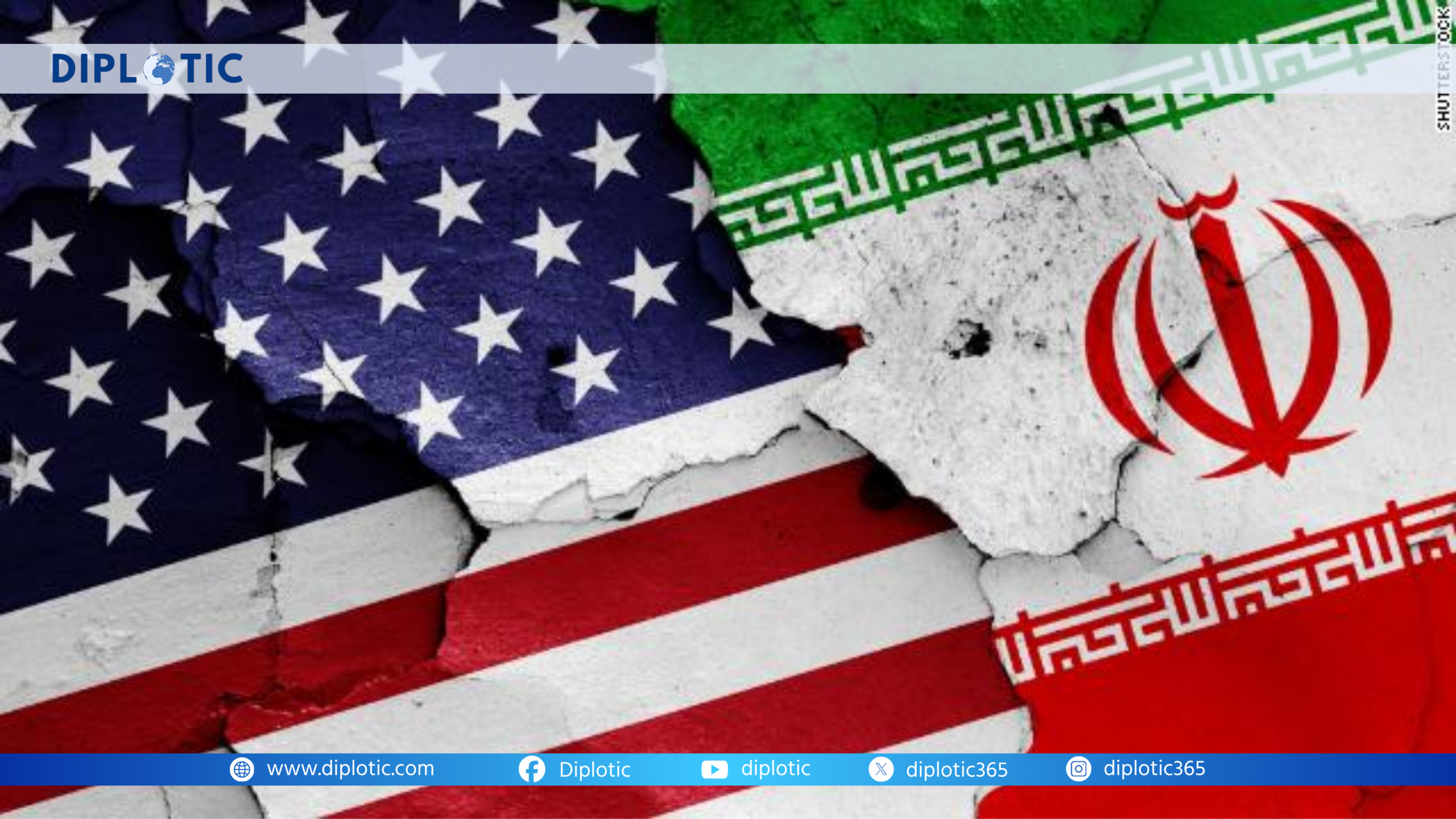
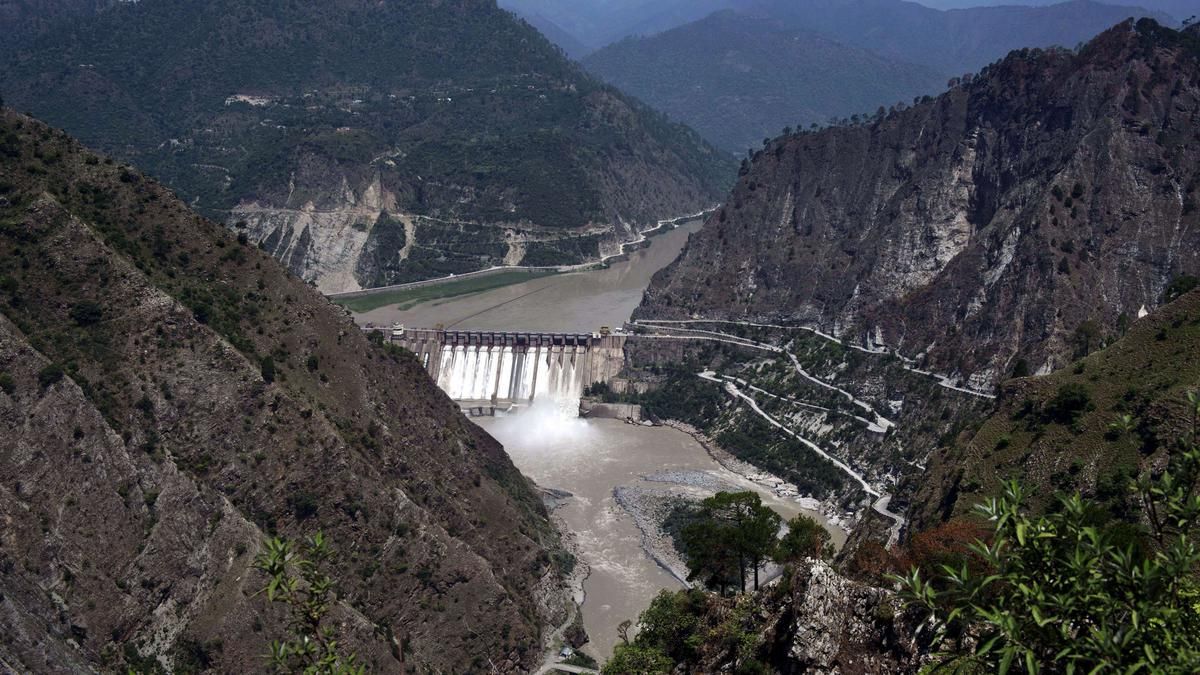
India’s suspension of the Indus Waters Treaty after the Kashmir attack has triggered panic in Pakistan, threatening its agriculture, power supply, and economy. Experts warn of a looming water crisis as diplomatic ties reach a new low.
Historic Treaty in Jeopardy: India’s Bold Move After Kashmir Attack
India’s unprecedented suspension of the Indus Waters Treaty (IWT) in the wake of a deadly militant attack in Kashmir has plunged Pakistan into a state of panic and uncertainty. The treaty, brokered by the World Bank in 1960, has long been a cornerstone of water security for Pakistan, ensuring access to the vital Indus, Jhelum, and Chenab rivers that irrigate over 80% of its farmland and support millions of livelihoods.
The Indian government’s decision, announced after the Pahalgam attack that killed 26 people, marks the first time the IWT has been placed “in abeyance” since its inception, despite decades of conflict between the nuclear-armed neighbors. India has justified the move as a response to Pakistan’s alleged support for cross-border terrorism-a charge Islamabad vehemently denies.
Pakistan’s Water Lifeline Under Threat
The Indus River system is the backbone of Pakistan’s agriculture and economy. Nearly 90% of the country’s irrigation depends on water from the Indus basin, and any disruption could devastate crop yields, exacerbate food insecurity, and fuel unrest-especially in already water-stressed regions like Punjab and Sindh. The rivers governed by the treaty also power hydroelectric plants and supply drinking water to millions.
Pakistani farmers and experts are sounding the alarm. “If they stop water, all of this will turn into the Thar desert, the whole country,” warned a farmer in Sindh, echoing widespread fears of famine and economic collapse.
India’s Three-Phase Strategy to Restrict Water Flow
India’s approach to halting water flow is multi-pronged:
Short-Term: Administrative and diplomatic measures, including the suspension of data sharing on river flows, flood warnings, and annual meetings under the Permanent Indus Commission. This leaves Pakistan in the dark about crucial hydrological information, hampering its disaster preparedness and water management.
Mid-Term: Plans to divert water for Indian use through new canals and infrastructure, though these projects will take months to years to materialize.
Long-Term: Construction of new dams and hydropower projects on the western rivers, which could further reduce flows to Pakistan over time.
Indian officials have declared their intent to ensure “not a single drop of water flows into Pakistan,” signaling a hardline stance that could escalate tensions further.
Immediate and Long-Term Consequences for Pakistan
Agricultural Devastation: Disruption of river flows threatens to cripple Pakistan’s agricultural sector, risking food shortages and mass unemployment.
Power Shortages: Hydropower generation, which relies on these rivers, could be severely impacted, compounding the country’s energy crisis.
Economic Instability: With over 60% of GDP debt-ridden and rising import costs for coal and other resources, Pakistan faces a potential economic meltdown if water supplies dwindle further.
National Security Risks: Pakistan’s government has warned that any attempt to stop or divert water will be considered an “act of war,” raising the specter of military escalation.
Can India Really Cut Off Pakistan’s Water?
While India has upstream control, experts caution that it cannot immediately halt water supplies on a large scale due to limited storage and diversion infrastructure. Most existing projects are run-of-the-river hydropower plants with minimal capacity to hold back water. However, India’s suspension of data sharing and its plans for new infrastructure signal a long-term strategy to increase leverage over the shared rivers.
A Precarious Precedent and Regional Fallout
The suspension of the IWT sets a dangerous precedent for transboundary water management, not only for India and Pakistan but potentially for other regional disputes, such as between India and China over the Brahmaputra River. The move could destabilize decades of relative stability and cooperation over water resources, locking both countries into a new era of resource-driven conflict.
Conclusion: A Looming Water Crisis Demands Urgent Diplomacy
India’s suspension of the Indus Waters Treaty has unleashed a wave of panic and uncertainty in Pakistan, threatening its food security, economy, and national stability. As both nations dig in, experts warn that the crisis could spiral unless cooler heads prevail and diplomatic channels are urgently restored. The fate of millions hangs in the balance, underscoring the critical importance of water as both a lifeline and a flashpoint in South Asia.