• About
  • Contact
  • Methodology
  • Violation Policy
  • Editorial Policy
  • Correction Policy
  • Privacy Policy
  • Reader Submissions
  • Our Team
  • Funding & Donors
Saturday, June 13, 2026
  • Home
  • Focus
    • Exclusive
    • Editor’s Pick
    • Behind the Curtain
  • Fact Check
  • Politics
  • Diplomacy
  • Economy
  • War & Conflict
  • South Asia
  • More
    • Games & Sports
    • Technology
    • Entertainment
    • History & Culture
    • Science & Technology
    • Nature & Environment
    • Health & Lifestyle
Bangla
Diplotic
No Result
View All Result
  • Home
  • Focus
    • Exclusive
    • Editor’s Pick
    • Behind the Curtain
  • Fact Check
  • Politics
  • Diplomacy
  • Economy
  • War & Conflict
  • South Asia
  • More
    • Games & Sports
    • Technology
    • Entertainment
    • History & Culture
    • Science & Technology
    • Nature & Environment
    • Health & Lifestyle
No Result
View All Result
Diplotic
Bangla
Home Science & Technology

Why OpenAI Is Spending Millions to Teach ChatGPT Manners

Umme Fatema Samia by Umme Fatema Samia
April 18, 2025
in Science & Technology
Reading Time: 3 mins read
A A
0
Why OpenAI Is Spending Millions to Teach ChatGPT Manners

Why OpenAI Is Spending Millions to Teach ChatGPT Manners

0
VIEWS
Share on FacebookShare on Twitter


OpenAI is investing tens of millions to make ChatGPT more polite and emotionally intelligent using human feedback. Discover how courtesy, trust, and safety are shaping the future of AI interactions.

The Surprising Investment: Why Politeness in AI Comes at a High Price

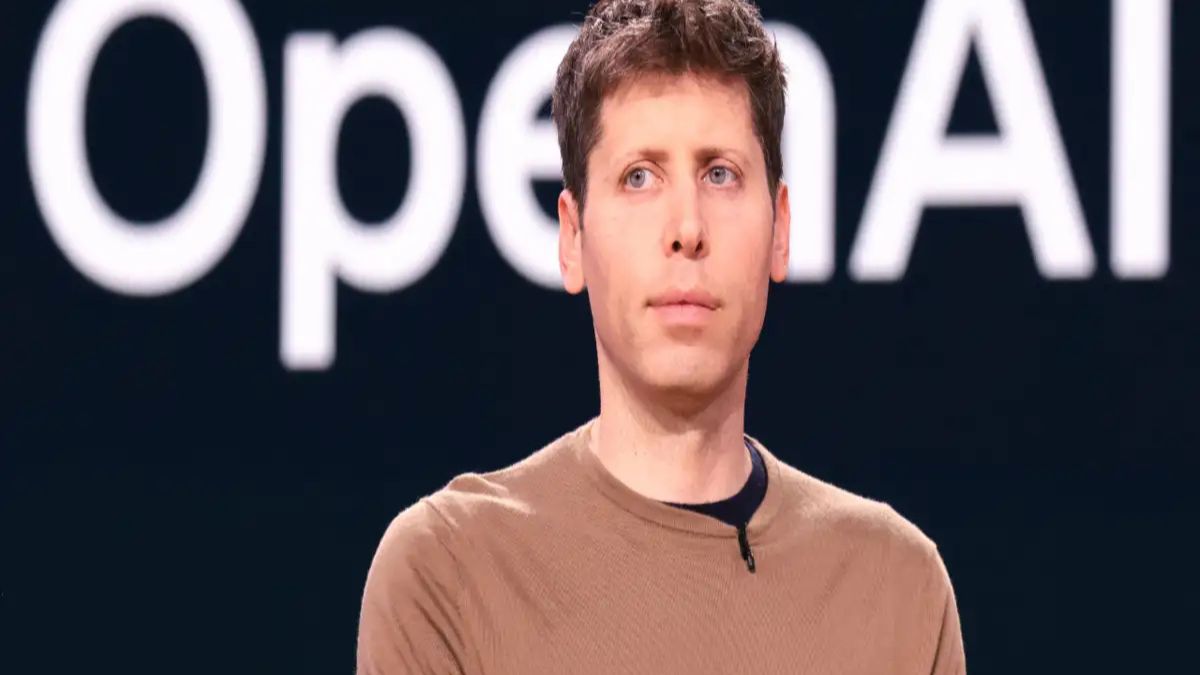
In a move that surprised both the tech industry and everyday users, OpenAI CEO Sam Altman revealed that the company is investing tens of millions of dollars to teach ChatGPT to be more polite. The goal? To embed social intelligence into the AI—ensuring it says “please,” “thank you,” and communicates in emotionally aware, human-like ways.

While these phrases may seem trivial, they’re at the heart of a transformative vision: an AI that not only answers correctly but also connects respectfully.

Human Training, Humane Responses: The Power of Reinforcement Learning from Human Feedback (RLHF)

At the core of this politeness initiative is Reinforcement Learning from Human Feedback (RLHF)—a training method involving thousands of human reviewers. These real people don’t just fact-check; they evaluate the tone, empathy, and emotional sensitivity behind each AI response.

This feedback loop helps ChatGPT deliver answers that are not only correct but also compassionate, calm, and considerate—turning AI into a more emotionally intelligent assistant.

Politeness Is Not Just Polite—It’s Foundational for Trust & Safety

According to Altman, the emphasis on courtesy is far from cosmetic. Politeness fosters user trust builds a sense of psychological safety, and is critical for AI’s role in sensitive areas like education, healthcare, and mental wellness.

A robotic or abrupt AI response can alienate users—or worse, cause emotional discomfort. By contrast, kind and measured responses help users feel respected, understood, and more comfortable engaging with AI.

Ethics by Design: How Soft Skills Are Becoming Hard Requirements in AI

OpenAI’s investment signals a growing industry shift toward ethical, human-centered AI design. As AI becomes more pervasive, the bar is rising—not just for what AI can do, but how it does it.

Tone, empathy, and social awareness are no longer optional. They are becoming core competencies for AI that wants to be truly helpful in the human world.

The High Cost of Alignment: Why OpenAI Thinks It’s Worth It

The tens of millions being spent aren’t for hardware or flashy features—they’re for human judgment. Training AI through human feedback is labor-intensive, but Altman insists it’s necessary to keep AI aligned with ethical standards, avoid harmful content, and ensure it communicates like a responsible digital partner.

In his words, “It’s not just about intelligence—it’s about intelligent behavior.”

Umme Fatema Samia

Umme Fatema Samia

Umme Fatema Samia is a Content Writer at Diplotic. She is currently pursuing an LLB at the University of Chittagong.

Blue Moon: The Rare Lunar Wonder

Blue Moon: The Rare Lunar Wonder

by Arjuman Arju
May 31, 2026

The night sky has always fascinated people with its countless stars, planets, and celestial events. Among these wonders, the Blue...

Fact Check: Does Consciousness Create Reality?

Fact Check: Does Consciousness Create Reality?

by Morium Jahan Setu
May 11, 2026

For more than a century, quantum mechanics has challenged humanity’s understanding of reality. Unlike classical physics, which describes a predictable...

How China, Russia, Turkey and Europe Are Responding to Iran War

The Impact of the US-Iran Conflict on Global Oil Prices and Economic Performance

by Sajjad Hossain Adib
May 11, 2026

Introduction The conflict between the United States and Iran is a central topic in global geopolitics. This enduring friction has...

Fact Check: AI-generated misinformation is destabilizing South Asian elections

Fact Check: Are “Clear Cache” Apps Actually Improving Phone Speed?

by Samshul Arefin
May 1, 2026

Every day, millions of smartphone users tap buttons labeled "Clean," "Boost," or "Speed Up" in third-party cleaning apps, hoping to...

DIPLOTIC

© 2024 Diplotic - The Why Behind The What

Navigate Site

  • About
  • Contact
  • Methodology
  • Violation Policy
  • Editorial Policy
  • Correction Policy
  • Privacy Policy
  • Reader Submissions
  • Our Team
  • Funding & Donors

Follow Us

No Result
View All Result
  • Home
  • Focus
    • Exclusive
    • Editor’s Pick
    • Behind the Curtain
  • Fact Check
  • Politics
  • Diplomacy
  • Economy
  • War & Conflict
  • South Asia
  • More
    • Games & Sports
    • Technology
    • Entertainment
    • History & Culture
    • Science & Technology
    • Nature & Environment
    • Health & Lifestyle

© 2024 Diplotic - The Why Behind The What