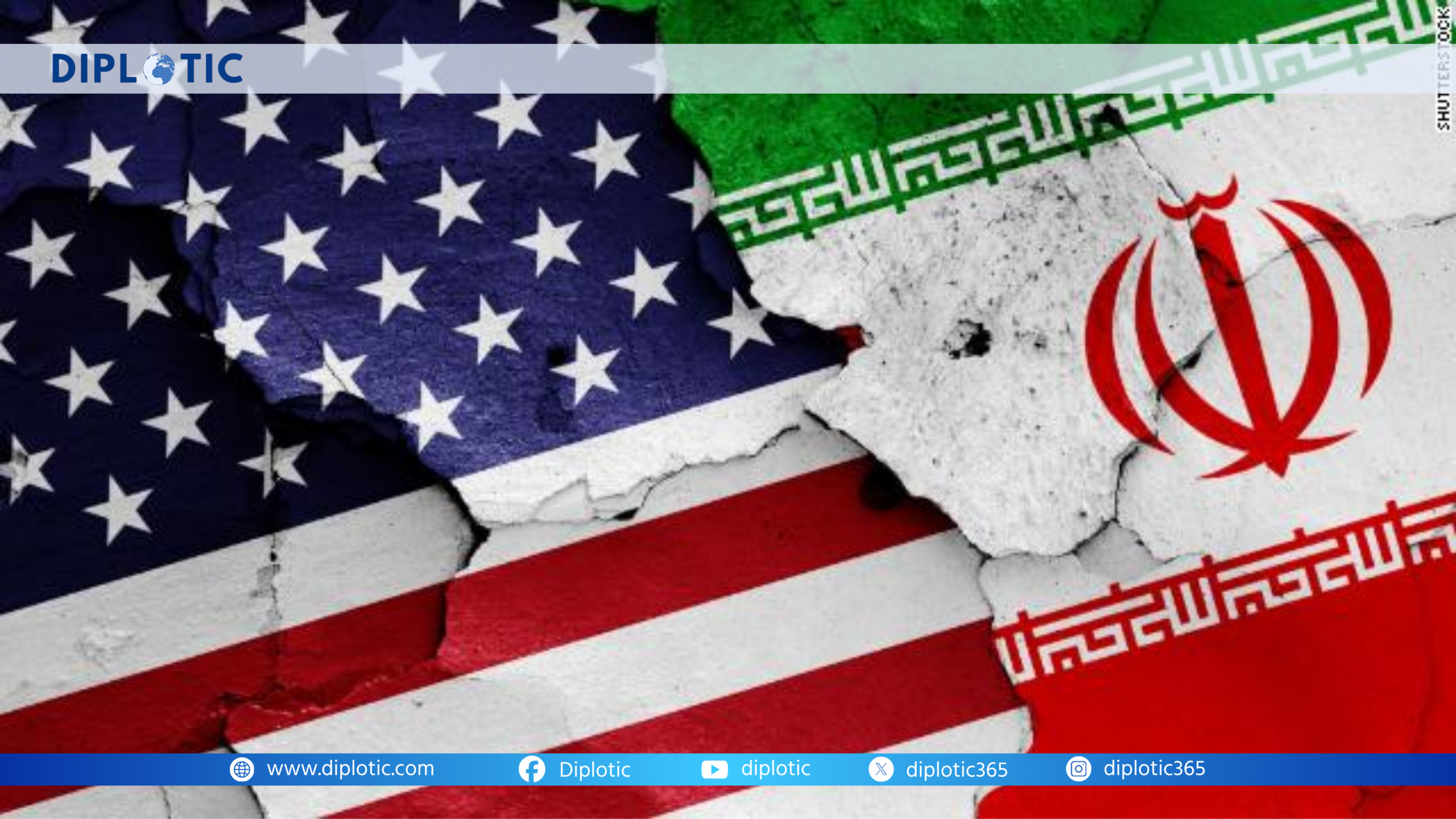
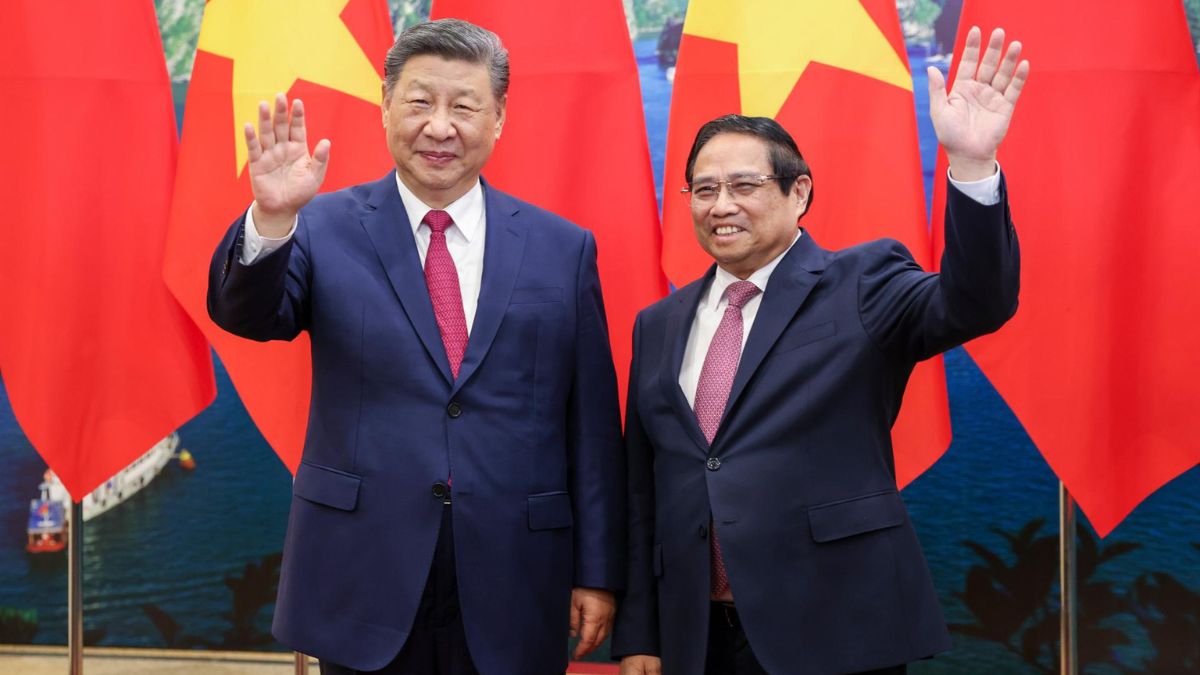
As Trump’s tariff chaos shakes allies, Xi Jinping’s strategic charm offensive in Southeast Asia aims to position China as the world’s new trade superpower. Trump’s sweeping tariffs fracture U.S. alliances, China makes bold diplomatic moves in Southeast Asia and beyond, and the world is watching.
The Global Power Shift You Didn’t See Coming
In the wake of President Donald Trump’s aggressive tariff measures, which have roiled markets and sent long-standing trade relationships spiraling into uncertainty, Chinese President Xi Jinping is executing a calculated and charismatic global campaign. His goal? To recast China as the world’s most dependable economically.
While the U.S. slaps devastating tariffs on nearly all its trading partners, including up to 49% duties on nations like Cambodia Xi is traversing Southeast Asia, quietly gathering shattered diplomatic shards and offering Beijing’s open hand where Washington has offered a clenched fist.
Xi’s Southeast Asia Tour: A Strategic First Step
Xi’s first international tour in over a year was no mere goodwill gesture. Beginning in Vietnam — the sixth-largest exporter to the U.S. and a country now reeling from a brutal 46% American tariff — Xi set the tone with a pointed op-ed in the state-run Nhan Dan newspaper:
“A trade war and tariff war will produce no winner, and protectionism will lead nowhere.”
These aren’t just words — they’re sharp diplomatic tools. Vietnam, Malaysia (24% U.S. tariff), and Cambodia (49%) are not just China’s neighbors; they are collateral damage in Trump’s unilateral trade war. Xi’s message: “When America punishes, China partners.”
Trump’s Tariff Gamble: Strategic Misfire or Masterstroke?
Back in Washington, Trump has spun Xi’s moves as subversive, accusing China of scheming with America’s wounded trade partners. In his words, it’s all a setup to “screw the United States of America.”
But according to global analysts, it’s Trump’s erratic economic diplomacy — not China’s maneuvering — that’s alienating allies. The tariffs may be high-stakes poker, but Xi is playing chess. And Beijing is quietly winning.
Steve Tsang, director of the China Institute at SOAS University of London, frames it starkly:
“Xi sees Trump as a wrecking ball — and he’s happy to rebuild the system in China’s image.”
Beijing’s Real Target: Europe and the Global Trade Order
While Southeast Asia offers low-hanging diplomatic fruit, China’s eyes are on a bigger prize — Europe.
During a high-profile visit with Spanish Prime Minister Pedro Sanchez, Xi floated a familiar refrain: the world must unite against “unilateral bullying.” These diplomatic echoes — nearly identical to the language used in Vietnam — underscore Beijing’s coordinated push to portray China as the mature, rules-based counterbalance to U.S. unpredictability.
Europe, for its part, appears to be listening. Despite recent trade spats — including a 45% EU tariff on Chinese electric vehicles — EU leaders agreed last week to resume pricing negotiations with Beijing. A thaw, perhaps, driven less by Chinese persuasion and more by Trumpian provocation.
The Tightrope for U.S. Allies in Asia: Between Security and Commerce
For Japan and South Korea — both hit by tariffs of 24% and 25%, respectively — the path forward is tangled. Their economies are deeply tied to both Washington and Beijing, and the political calculus is brutal.
“Caught in a quandary,” says Kerry Brown of King’s College London. “China is still practically a power you have to deal with — and the U.S. isn’t looking so loyal right now.”
That tension is underscored by South Korea’s measured response: “Bilateral dialogue with the United States is the most effective way to resolve the issue.” Translation? Seoul wants to talk — but also hedge.
China’s Ultimate Trump Card: $700 Billion in Leverage
While China paints itself as the friendly face of global trade, it still holds a weapon that could send financial shockwaves through Washington: U.S. Treasury bonds.
Beijing currently owns over $700 billion in American debt. If China were to unload even a fraction of those holdings, it could severely disrupt U.S. borrowing capacity and shake investor confidence — an economic Cold War nuke hidden in plain sight.
Trump Breaks, Xi Builds
Xi’s charm offensive isn’t about winning a popularity contest. It’s about positioning China as a stable, strategic counterweight to a belligerent United States. From Hanoi to Madrid, the message is unmistakable: if America no longer plays fair, China is ready to lead.
The question now isn’t whether Xi can exploit Trump’s trade war — it’s whether the rest of the world is ready to pivot East.