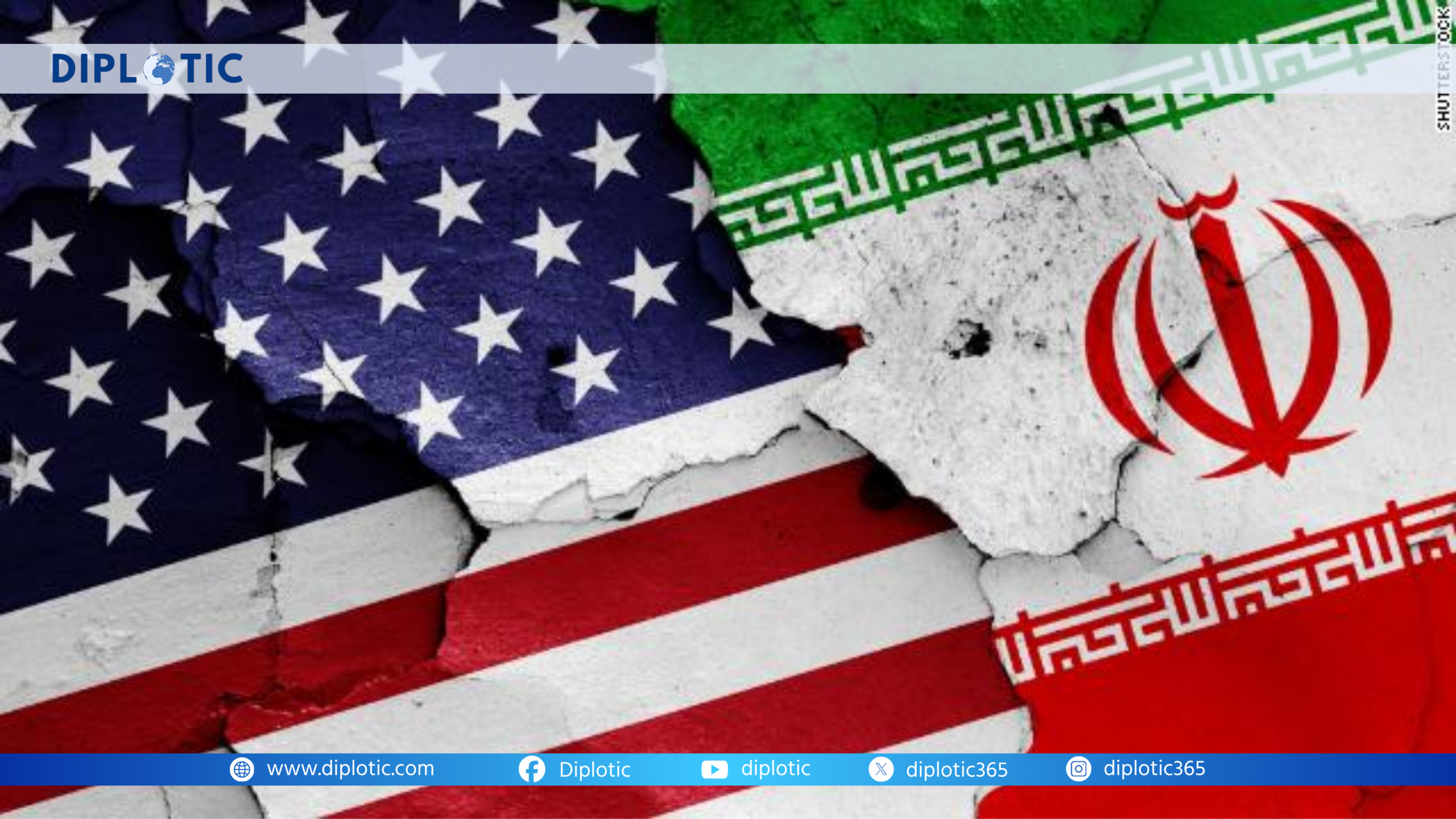
For twenty years, the Middle East dominated U.S. policymaking—a region into which Washington poured money, military power, and diplomatic capital to promote democracy, stability, and hegemony. And for all this exertion, the Middle East is still volatile, hostile to outside control, and still committed to conflict. But something paradoxical is occurring: the region is stabilizing itself, not under American leadership, but through the natural dynamics of regional actors. Israel, Iran, Turkey, and the Gulf states are playing a multi-dimensional, game-like game—far, at least, from peace, but consolidating themselves nonetheless. It is an evolving equilibrium that presents an opportunity for once for the U.S.: to step back, draw down its presence, and reorient its strategic attention to the Indo-Pacific, where China’s long-run challenge demands undivided attention.
The Failure of American Hegemony in the Middle East
Post–Cold War U.S. policy in the Middle East has careened between interventionist excess and reluctant withdrawal. The post-9/11 invasions of Afghanistan and Iraq, the failed nation-building experiments, the ill-fated democratic crusade of the Arab Spring, and interminable Israeli-Palestinian peace negotiations have shared only this failure: Washington’s belief that it can remake the region as it pleases.
There still exists, however, a Middle Eastern mindset, sectarian, nationalist, and hard-headed realistic. American attempts at imposition have consistently backfired, fueled instability, fueled anti-Americanism, and led Washington into unwinnable wars. The Afghan drawdown of 2021, this gradual disengagement out of Syria, and this reluctance to engage with Yemen all represent an admission of these failures.
Formation of a Natural Balance of Power
Rather than a void that American retrenchment created, there was a new equilibrium—a new equilibrium defined by regional actors acting out of self-interest, constrained by one another, not by American diktat.
Israel: Domination through the military
Israel remains the region’s dominant military power, as attested to by its ability to reach as far as Iran, Syria, and Gaza. No one can match its intelligence and precision-strike capacity. Its international isolation, nonetheless, deepened since the war against Gaza, with even long-time friends like Saudi Arabia putting aside attempts at normalizing relations. Israel can hurt but not dominate and shape a regional order alone.
Iran: Ambitious but Overextended
Iran’s revolutionary regime dreams of regional dominance via its “Axis of Resistance”—Hezbollah, Houthi, and Iraqi and Syrian Shia militias. It overextends, its economy pinched by sanctions, its people agitated, and its proxies becoming ever costlier to maintain. Houthi-West conflict at the Red Sea incapacitates Western response, and Israeli bombardment demoralises Iranian forces within Syria. Iran will annoy but will not succeed.
Turkey: A Revisionist Power Choked Back
Under Recep Tayyip Erdoğan, Turkey harbours neo-Ottoman hegemonist dreams as far as Tripoli to its west and Doha to its east. It is halted, however, by Arab opposition, economic vulnerabilities, and NATO obligations. Collaborating with Hamas alienates Egypt and the kingdom, and Turkish intervention in Syria and Libya is opposed by Russia and locals. Turkey is a destabilizing, not a stabilizing, presence.
The Gulf States: Pragmatic Hedging
Saudi and UAE, which were once dependent upon US guarantees, are seeking multi-alignment—aligning with Israel for tech and intelligence, inviting Iran to avert war, and wooing China for trade and arms. They are not seeking hegemony but seeking to find out how to survive. Theirs is one of cautious neutrality.
America will have to adapt to the new equilibrium.
It is messy, conflict-ridden, and occasionally brutal but resilient because it reflects true power dynamics, not fantasies encouraged by the United States. Washington enumerates three main benefits:
- Less Need for American Intervention – where there are balancing powers regionally, there is no need for America to be umpire. Israel deters Iran, Gulf states balance out Turkey, there is no solitary power which can upset the equilibrium.
- Interests Ahead of Idealism – America will be able to concentrate solely on specific but critical agendas: preventing nuclear proliferation, maintaining oil flow, and combating transnational terror—without building nations.
- Shifting to the Indo-Pacific – The challenge of the 21st century is Chinese dominance. Each soldier and dollar spent to fight in the Middle East is one fewer to be employed to fight Beijing in the South China Sea or Taiwan Strait.
Hawkins’ rebuke to Shirom were definitely Washington’s others will object that withdrawal precipitates collapse—without an American lead, everything will fall apart. But history suggests otherwise. The Yom Kippur War of 1973, Iraq’s war against Iran, and Syria’s civil war all happened with little United States’ leadership and ended with no hegemon. The entire Middle Eastern region inclined to balance once it could do that. Otherwise, intervention by America will be self-defeating. -Arming Syria’s Sunni opposition empowered jihadis. Ousting Saddam Hussein unleashed Iranian power. Undifferentiated and reflexive Israel support becomes anti-American radicalization.
A Balancing Strategy Offshore
The United States cannot abdicate to the Middle East but must adopt an offshore balancing approach: – Basing (in Bahrain, Qatar) for deterrent purposes, and not for occupying – Use arms trade and sharing intelligence to assist allies, but not intervene – Have regionals pay for security themselves—Saudi will contain Iran, Israel will contain Hamas.
Conclusion: The Middle East is No Longer America’s Burden
There, it is natural and, therefore, sustainable. Washington has long treated the Middle East as a fix-it problem. It is time to realize that the Middle Eastern region is doing just that: self-healing. Washington must resist re-engagement’s siren call. It must seize this moment to reorient resources, attention, and diplomatic efforts back to the Indo-Pacific there, where its strategic future will be won or lost.