The diplomatic fallout between the United States and South Africa has escalated following the expulsion of South African Ambassador Ebrahim Rasool. This rare and dramatic move by Washington has drawn international attention and further strained relations between the two nations.
A Controversial Departure
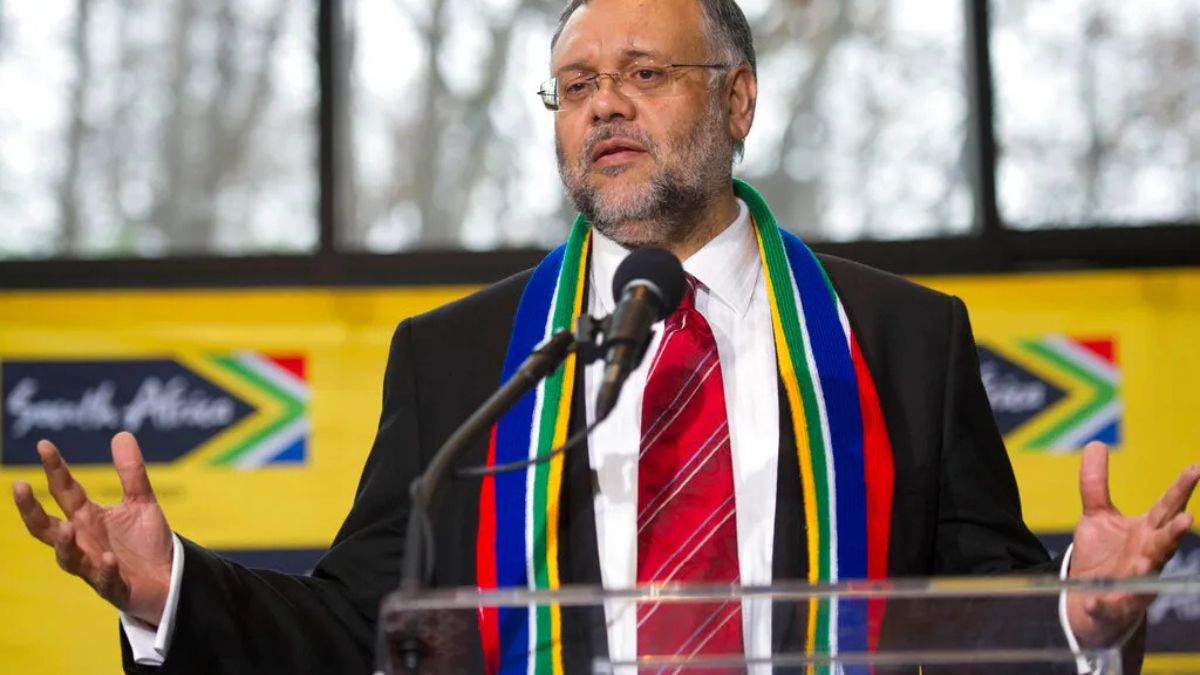
Ambassador Ebrahim Rasool, a prominent figure in South Africa’s anti-apartheid movement, was declared persona non grata by U.S. Secretary of State Marco Rubio. Rubio accused Rasool of being a “race-baiting politician” who harbored animosity toward both America and President Donald Trump. The decision followed Rasool’s remarks during a webinar where he criticized Trump’s policies, alleging they promoted white supremacy and victimhood amidst demographic shifts in the U.S. These comments, coupled with Rasool’s pro-Palestinian stance, were deemed unacceptable by Washington.
The U.S. State Department formally notified South Africa’s embassy of the decision, giving Rasool 72 hours to leave the country. His diplomatic privileges were revoked earlier in the week, and he departed for South Africa on Friday, reportedly without regrets.
South Africa’s Response
The South African government expressed disappointment over the expulsion, calling it “regrettable.” President Cyril Ramaphosa defended Rasool’s contributions to fostering U.S.-South Africa relations and emphasized Pretoria’s commitment to maintaining a constructive partnership with Washington. However, some South African officials privately criticized Rasool for crossing diplomatic boundaries.
Underlying Tensions
This incident is the latest chapter in a series of disputes between the two nations. Earlier this year, President Trump froze U.S. aid to South Africa, citing controversial land reform policies that allegedly targeted white farmers. Additionally, Rasool’s inability to secure meetings with key U.S. officials due to his outspoken views further strained ties.
Rasool’s Legacy
A veteran of South Africa’s liberation struggle, Rasool grew up under apartheid and was deeply influenced by its injustices. His activism began during his youth, leading to imprisonment alongside figures like Nelson Mandela. Despite his controversial departure from Washington, Rasool remains a respected figure in South Africa for his political career and advocacy for social justice.
Diplomatic Implications
The expulsion marks a low point in U.S.-South Africa relations. While Pretoria seeks to repair ties, analysts suggest that this incident underscores deeper ideological divides between the two governments under their current leaderships. For now, Rasool returns home with his head held high, leaving behind a diplomatic storm that will take time to settle.