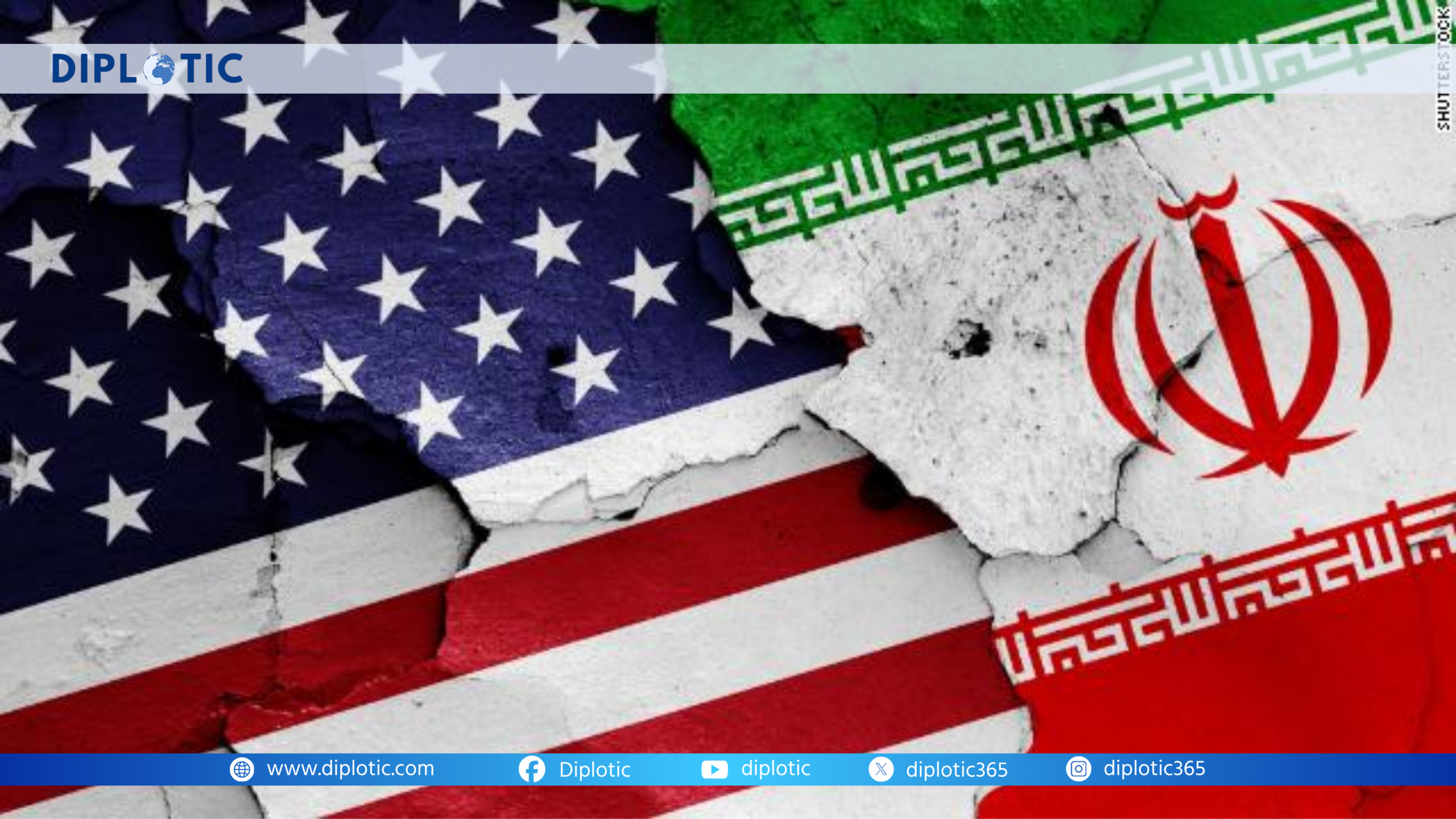
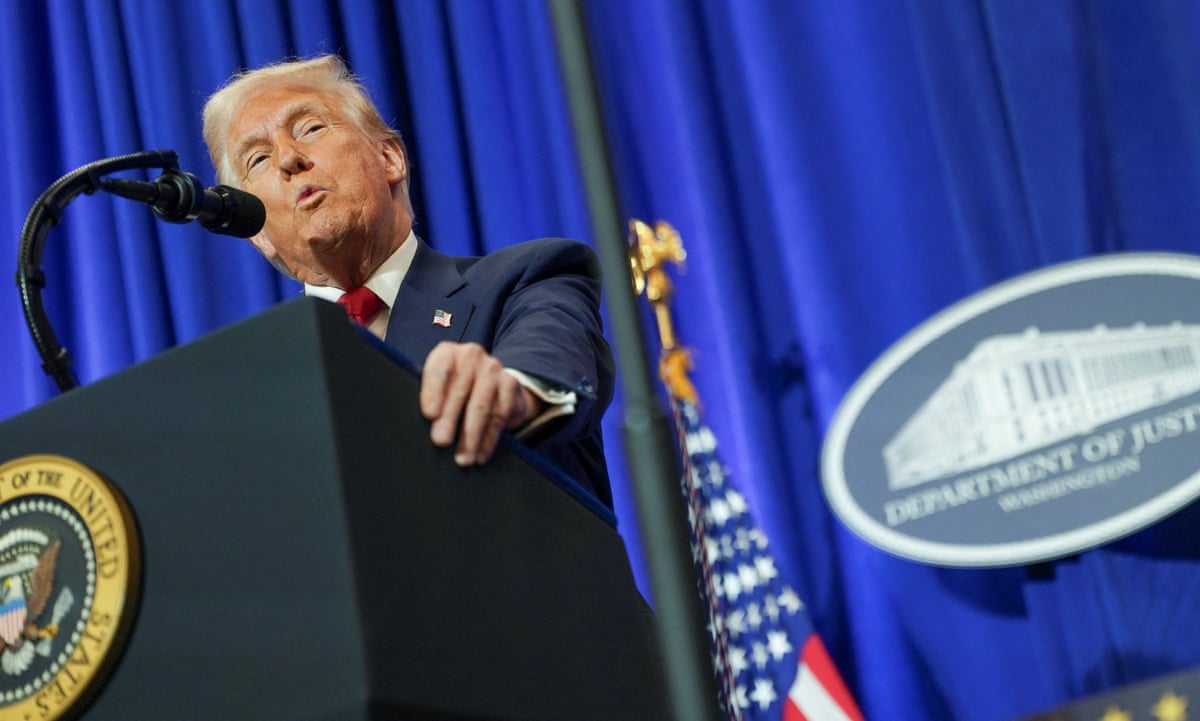
Former President Donald Trump is reviving the Alien Enemies Act of 1798, a rarely used wartime law, to justify the deportation of Venezuelan gang members. But legal experts argue the move is unconstitutional, setting off a high-stakes battle over presidential power, immigration, and the limits of laws written centuries ago. Will the courts allow it—or strike it down? Can a 225-Year-Old Law Justify Mass Deportations? Legal experts together with immigration advocates oppose the recent shift due to multiple legal objections it encountered. The following text examines the Alien Enemies Act together with its background and how Trump’s strategy using this law sparked legal resistance.
What is the Alien Enemies Act?
During intense Franco-American relations in 1798, the Alien and Sedition Acts included the Alien Enemies Act as one of its provisions. Through this act, presidents gain extensive control to imprison and properly relocate and deport enemy nation citizens when America is at war or facing invasion. The presidential emergency power allows the deportation of male noncitizens between ages 14 and older from enemy countries when the U.S. maintains war status or a foreign power threatens invasion or pillaging. Today the Alien Enemies Act endures past the repeal of other Alien and Sedition Acts portion while its 1918 amendment added female targets to its restrictions.
How has the Act been used in history?
Since its adoption, the Alien Enemies Act has only been called into action three times throughout the history of the United States during periods of major war. Throughout the War of 1812, British residents in the United States had to identify themselves with the government while revealing their current addresses. President Woodrow Wilson implemented the Act to imprison thousands of Central Powers nationals as well as 6,000 detainees at World War I internment camps which stretched until after the war conclusion. President Franklin D. Roosevelt enacted Japanese, German, and Italian national registration under the act after Pearl Harbor before thousands ended up being interned. The overwhelming majority of Japanese Americans taken to internment camps received their detention against the standards of U.S. citizenship even though they were American citizens. An official government apology occurred after the war for internment policies that targeted American citizens as well as non-citizens.
Why is Trump invoking the Act now?
Through his proclamation, Trump targets all Venezuelans who participate in Tren de Aragua’s activities which include drug trafficking human smuggling, and violent offenses. The directive enables fast deportation of non-U.S. citizens or permanent residents who look like organization members. Trump argues that the gang’s activities constitute an “invasion or predatory incursion”, using the exact language from the 1798 law to justify deportations. However, this interpretation is highly controversial, as the law has only been applied during declared wars—something that has not happened since World War II.
Legal challenges and expert concerns
The Alien Enemies Act became temporarily inoperative when a federal judge issued his ruling although 250 people had already been deported before the decision. The way Trump applies immigration law causes legal experts to claim his interpretation exceeds authority bounds since the Act demands wartime declarations without any declaration since 1942. Implementing the Alien Enemies Act for immigration control represents an unprecedented policy that threatens to create risky future legal decisions because current deportation laws already exist to remove criminals. The administration faces criticism from attorney Skye Perryman of Democracy Forward who claims they break legal process rules while trying to expand executive power and Katherine Yon Ebright from Brennan Center of Justice emphasizes the move is “flagrantly illegal” by demanding judicial intervention. Legal experts from the conservative background express skepticism about how Trump plans to use the Invasion Clause yet George Fishman remains doubtful about reaching court approval for this approach.
What’s next?
Judicial proceedings continue to determine whether Trump’s application of the Alien Enemies Act remains valid until court decisions are made. Multiple members of Congress seek to abolish the law while other politicians try to keep it intact. Democratic Rep. Ilhan Omar together with Sen. Mazie Hirono have proposed the “Neighbors Not Enemies” Act to eliminate the Alien Enemies Act so neither future nor present abuses can occur. Omar stated in her announcement for the annual reform that the law requires immediate repeal to establish a system grounded in fairness and sympathy.
Trump’s executive order caused a brutal legal and political controversy that emanates broader questions regarding executive authority together with border control practices while testing the boundaries of laws from colonial times.