

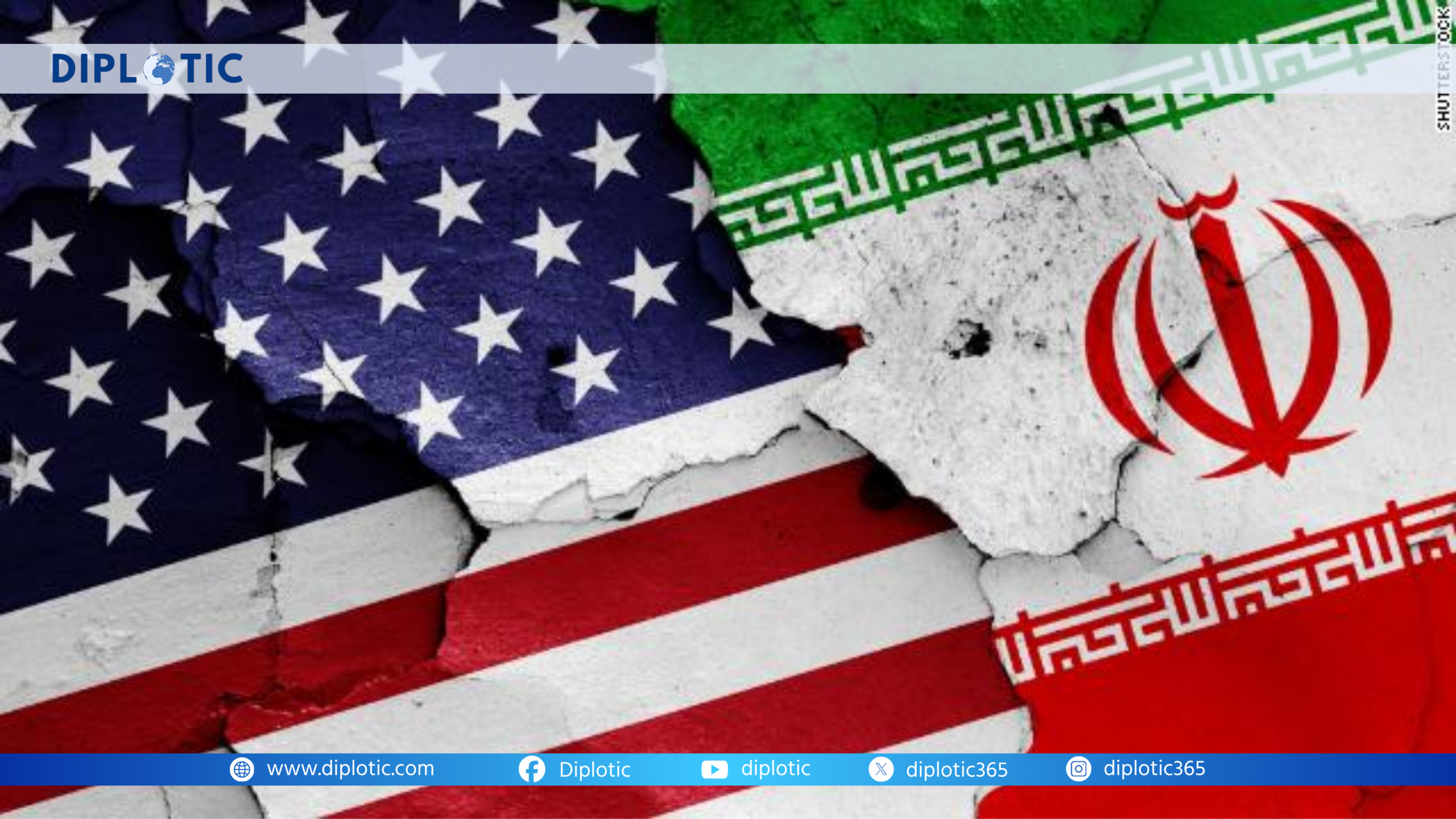
The war between the United States, Israel, and Iran began on February 28, 2026, with large missile strikes under the name Operation Epic Fury. These attacks killed most of Iran’s top leaders, including Supreme Leader Ali Khamenei, in the first two days. Iran fought back hard, and what some expected to end quickly has stretched on. President Donald Trump now says the conflict will stop only when he decides it should. China, with deep economic ties to Iran from a 2021 deal worth $400 billion, has kept a careful distance. It calls the war something that should never have happened but stays neutral and focused on non-interference. Chinese experts watch closely and share views that often point to mistakes made by the US. They see the conflict as creating more problems for Washington than gains, both inside the country and in the Middle East. Their thoughts offer a window into how one major power sees the risks and outcomes of this fight.
Why do many Chinese experts see the US attack as a risky gamble?
Chinese analysts describe the strikes as coming from a “gambler’s mentality.” They point to Professor Huang Jing from Shanghai International Studies University, who says President Trump believed this could be a quick, decisive move. Instead, it shows overconfidence mixed with poor planning. Huang lists several reasons behind the decision. He notes that Trump faced growing troubles at home after taking office again. The US economy showed signs of strain, with fast growth in a few big tech companies creating gaps between stock values and real output. Manufacturing jobs dropped sharply, inflation stayed hard to control, and public anger rose over immigration enforcement and other issues. Midterm elections loomed, and Trump needed to shift attention from these problems.
The attack also followed Israel’s push. Huang believes Israeli Prime Minister Benjamin Netanyahu played a key role in pulling the US in, building on recent success in Venezuela where the US helped remove the government in January 2026. Yet the Iran operation lacked key support. NATO allies stayed back, and there were no clear backup plans. The US sent strong forces, but experts say the deployment fell short on logistics and numbers for a long fight. This view matches concerns that the strikes came too soon after nuclear talks in Oman showed some progress. Oman later said the discussions had moved forward in a useful way, but the attacks ended that path.
Other analysts in China question the stated reason of Iran’s nuclear program. Some see oil interests at play, similar to past actions elsewhere. Others think domestic politics drove the timing more than security threats. The common thread is that Washington acted without full preparation or broad backing. This gamble, they argue, has raised doubts about US judgment and opened doors for longer-term costs.
How has the war deepened divisions inside the United States?
One of the clearest points from Chinese observers is how the war has split American society further. A CNN poll showed that nearly 59 percent of people viewed the conflict in a negative light. Democrats called it a “war of choice,” noting that while Iran posed risks, no clear evidence showed an immediate attack on the US. Republicans and some supporters stood behind Trump, but even parts of his base questioned the move. Many who liked his past promises to avoid foreign wars felt let down.
The problem grew after reports of civilian deaths. A US military review found that targeting errors in one strike hit a school, killing at least 175 people, mostly children. Trump first denied responsibility, but the facts added to public anger. Unlike the wars in Afghanistan in 2001 or Iraq in 2003, this one started without a vote in Congress or a strong push to build support. That lack of formal steps made the divide sharper. Chinese analysts note that only narrow groups—oil industry figures and some tech voices—seem to gain direct benefits and keep strong support.
This internal split weakens the administration’s position. It also hurts US standing abroad. The strikes came during talks that appeared to be working, at least in part. By acting alone, the US looked less reliable to partners. Gulf states, already careful in their ties, now face new pressures. The war has made it harder for Washington to claim the role of steady leader in the region.
What military and economic challenges does Iran pose to the US and its allies?
Chinese experts give credit to Iran’s preparation and response. Despite losing top leaders, the country has not collapsed. Iran used advanced weapons in counterattacks, including supersonic missiles against a US carrier, damage to radar systems in Bahrain, and strikes on naval bases. These actions show a shift from older ways of fighting, with decentralized moves that are hard to stop fully.
The blockade of the Strait of Hormuz stands out as a strong tool. About a quarter of global seaborne oil trade passes through this narrow waterway. Closing it has driven oil prices higher and created supply worries. Ending the blockade would force US ships into direct range of Iranian attacks, while leaving it open worsens economic pain. Fertilizer exports from the region have also slowed, raising food security risks for countries like India, Pakistan, and Sri Lanka that depend on these supplies.
Gulf neighbors face direct harm too. Attacks on allies hosting US forces have turned places like the UAE, Bahrain, and Kuwait into targets. Tourism in Dubai and oil flows from Saudi Arabia suffer. The Houthis in Yemen and Hezbollah add pressure from other sides, making the Gulf feel like a wider battlefield. Analysts note that Iran cannot defeat the US outright but can drag the fight out. A long war plays to Iran’s advantage, as the US spends heavily—over a billion dollars a day by some counts—while facing mounting domestic costs.
What lessons are Chinese analysts drawing for future conflicts?
Observers in China study this war for practical insights. They highlight the heavy use of AI by the US and Israel for tracking, analysis, and decisions. This shows how technology now shapes battles. There is also a move away from large weapons toward smaller, precise ones. Chinese sources point to weaknesses in US equipment, like reliance on certain transport systems that proved easy to hit.
A military-linked outlet listed key takeaways: internal divisions pose the biggest danger, blind trust in peace carries high risks, superior weapons matter in hard ways, quick victory claims can mislead, and self-reliance stands as the best defense. These points reflect broader thinking about preparing for uncertain times.
The war has already caused deep human suffering. Nearly 3.2 million people in Iran have had to leave their homes, according to aid groups, and the number may grow. Both sides may claim success in the end, but the costs—in lives, money, and trust—suggest no clear winner.
In looking at this conflict, Chinese views show a mix of caution and analysis. They see US actions as driven by short-term needs that ignore long-term risks. The war tests old patterns of power and may push others to rethink their own paths. As the fighting continues, these observations remind us that modern wars rarely follow simple plans and often leave lasting marks on everyone involved. The choices made now will shape not just the Middle East but how major powers approach crises in the years ahead.




