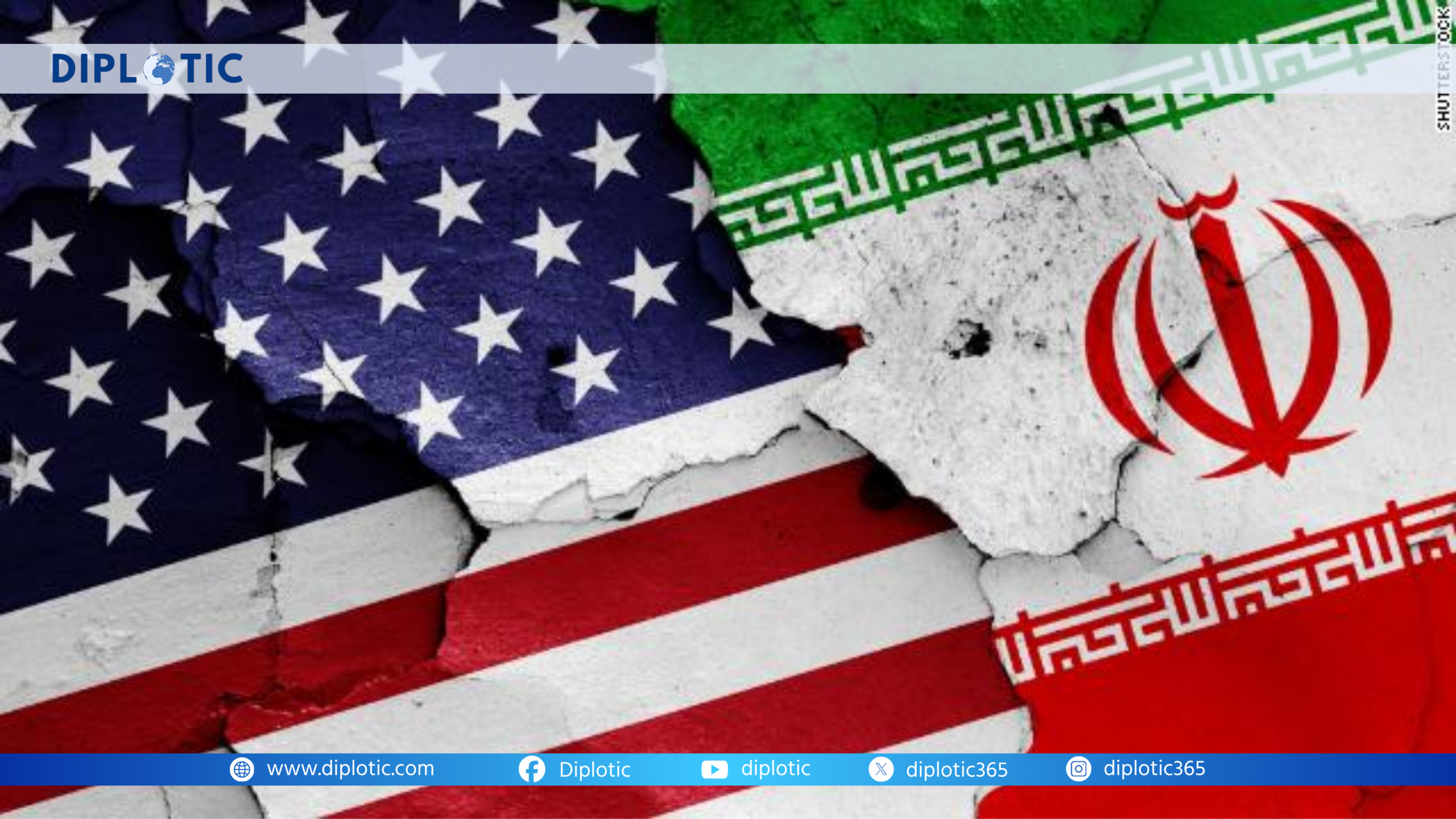
The global race in artificial intelligence is no longer just about faster models or smarter algorithms—it is about fundamentally different visions of how intelligence should shape society. On one side stands the United States, where AI is driven by markets, competition, and private innovation. On the other is China, where AI is embedded into state-led systems designed for coordination and control.
This divide is not merely technical. It is philosophical. It determines who owns data, how decisions are made, and ultimately, how power is exercised in the 21st century.
Two Visions of Intelligence
In the American model, AI is treated as an autonomous force. Companies aim to build systems that can reason, generate content, and act independently. The focus is on pushing the boundaries of machine capability—how intelligent machines can become, and how they can disrupt industries.
This approach reflects the broader economic logic of the United States: decentralized, competitive, and innovation-driven. Tech giants and startups, backed by venture capital, dominate development. The state plays a supporting role—funding research and setting regulatory guardrails—but does not centrally direct the system.
The result is rapid progress. Since the generative AI boom of 2023, American firms have accelerated breakthroughs in large language models and consumer applications. But this speed comes with fragmentation. Data is siloed, systems are often incompatible, and coordination between sectors remains limited.
In contrast, China approaches AI as a function rather than an autonomous entity. The emphasis is not on how intelligent machines can become, but on how intelligence can be applied across systems—transport, finance, healthcare, and governance.
Here, AI is not just a product. It is infrastructure.
From Innovation to Integration
China’s “AI+” strategy, formalized through state policy, focuses on embedding AI into every layer of society. Instead of building isolated applications, the goal is integration—connecting data flows across sectors to create a coordinated system.
This model is already visible in practice. Platforms like Alibaba’s City Brain optimize urban traffic in real time, while digital payment systems and the digital yuan enable deeper visibility into financial activity. These are not standalone tools; they are components of a larger architecture where data flows continuously between systems.
The contrast with the United States is stark. While American AI excels in innovation and global influence, it often lacks systemic integration. China, by comparison, may lag in some frontier model capabilities but leads in deploying AI at scale across society.
The difference can be summed up simply: the US builds powerful tools; China builds interconnected systems.
Data: Oil vs Water
At the heart of this divide lies a deeper disagreement about data itself.
In the American context, data is often described as the “new oil”—a resource to be extracted, owned, and monetized. This metaphor implies scarcity and competition. Companies guard their datasets as proprietary assets, creating barriers between systems.
China offers a different metaphor: data as water. Its value lies in movement, not accumulation. When data flows across networks—transport systems, financial platforms, healthcare databases—patterns emerge that enable prediction and coordination.
This approach reduces fragmentation. It allows systems to “see” more, anticipate disruptions, and respond faster. In this model, intelligence is not something applied externally; it is embedded within the system itself.
Governance, Power, and the Social Contract
These technical differences translate into distinct political and social outcomes.
In the United States, centralized data systems often trigger concerns about privacy, surveillance, and corporate overreach. The fragmented nature of AI reflects a broader emphasis on individual rights and market competition.
In China, the trade-off is different. Greater data integration enables efficiency, convenience, and predictive governance—but also increases state visibility into society. Citizens gain access to seamless digital services, but at the cost of reduced informational asymmetry.
This creates a new kind of social contract: more efficiency in exchange for more oversight. The system persists not only through control, but through utility. Opting out is possible—but increasingly inconvenient.
Exporting the Model
The AI divide is no longer confined to two countries. It is spreading globally.
China’s integrated systems—smart cities, digital payments, surveillance infrastructure—are being exported across parts of Asia, Africa, and Latin America. These systems often arrive as complete packages, combining hardware, software, and governance frameworks. They offer something many governments prioritize: not cutting-edge innovation, but functioning, scalable solutions.
Meanwhile, the United States continues to export its model through technology platforms, cloud services, and AI research. Its influence lies in standards, ecosystems, and global tech dominance.
Many countries are now adopting hybrid approaches. They combine American AI models for consumer applications with Chinese-style infrastructure for governance and public services. This blending suggests that the future of AI may not be defined by a single model, but by a spectrum of approaches.
A Divide That Shapes the Future
The growing divergence between the United States and China is ultimately about more than technology. It is about how societies organize intelligence—who controls it, how it flows, and what it is used for.
One system prioritizes innovation, competition, and autonomy. The other emphasizes integration, coordination, and systemic control. Both have strengths. Both carry risks.
The real question is not which model will “win,” but how this divide will reshape global power. As countries choose, adapt, or hybridize these approaches, the structure of the digital world—and the balance of influence within it—will be defined for decades to come.