In the world of industrial commodities, few materials have enjoyed as quiet and steady a reputation as tungsten. Known primarily for its use in drill bits and light bulb filaments, this dense, gray metal has long been a workhorse of heavy industry—essential but unexciting. That is changing, and changing rapidly. In January 2026, prices for high-grade tungsten concentrates soared by as much as 150 percent compared to the previous year . The market, valued at approximately $5.16 billion in 2024, is projected to expand to nearly $9.65 billion by 2032, reflecting a compound annual growth rate of over 8 percent . This surge is not merely speculative. It is driven by fundamental shifts in supply, demand, and geopolitics that have transformed tungsten from a routine industrial input into a strategically critical material. At the heart of this transformation is the recognition that tungsten is essential for technologies that define the future—from artificial intelligence chips to electric vehicles to advanced defense systems. This explainer examines why tungsten has suddenly become the hottest metal in global trade, what is driving the price surge, and what it means for supply chains, manufacturers, and strategic planners worldwide.
Why Are Tungsten Prices Skyrocketing in 2026?
The current price surge is not a single phenomenon but the convergence of multiple factors that together have created unprecedented market conditions. The primary catalysts include tightening mining quotas in major producing countries, particularly in Asia, and strategic stockpiling by governments and manufacturers seeking to secure supplies for critical applications .
China has long dominated the tungsten supply chain, accounting for over 82 percent of global output . In recent years, Beijing has implemented export controls and resource conservation measures that have reduced the availability of Chinese tungsten on global markets. These policies reflect a broader strategic shift: China is prioritizing domestic processing and value-added manufacturing over raw material exports, seeking to capture more of the economic benefits of its resource wealth while retaining control over materials essential for its own high-tech industries .
Other major producers have been unable to fill the gap. While new mining projects in South Korea, Australia, and Africa are gaining traction, they remain years away from significant production . The result is a supply squeeze that has driven prices to record levels.
At the same time, demand has surged across multiple sectors. Defense, aerospace, and advanced manufacturing all rely on tungsten’s unique properties—its remarkable hardness, density, and thermal stability—for mission-critical applications . The transition to electric vehicles, the proliferation of semiconductor manufacturing, and the advancement of next-generation materials are all contributing to demand growth that outpaces supply .
What Makes Tungsten So Valuable for Modern Industry?
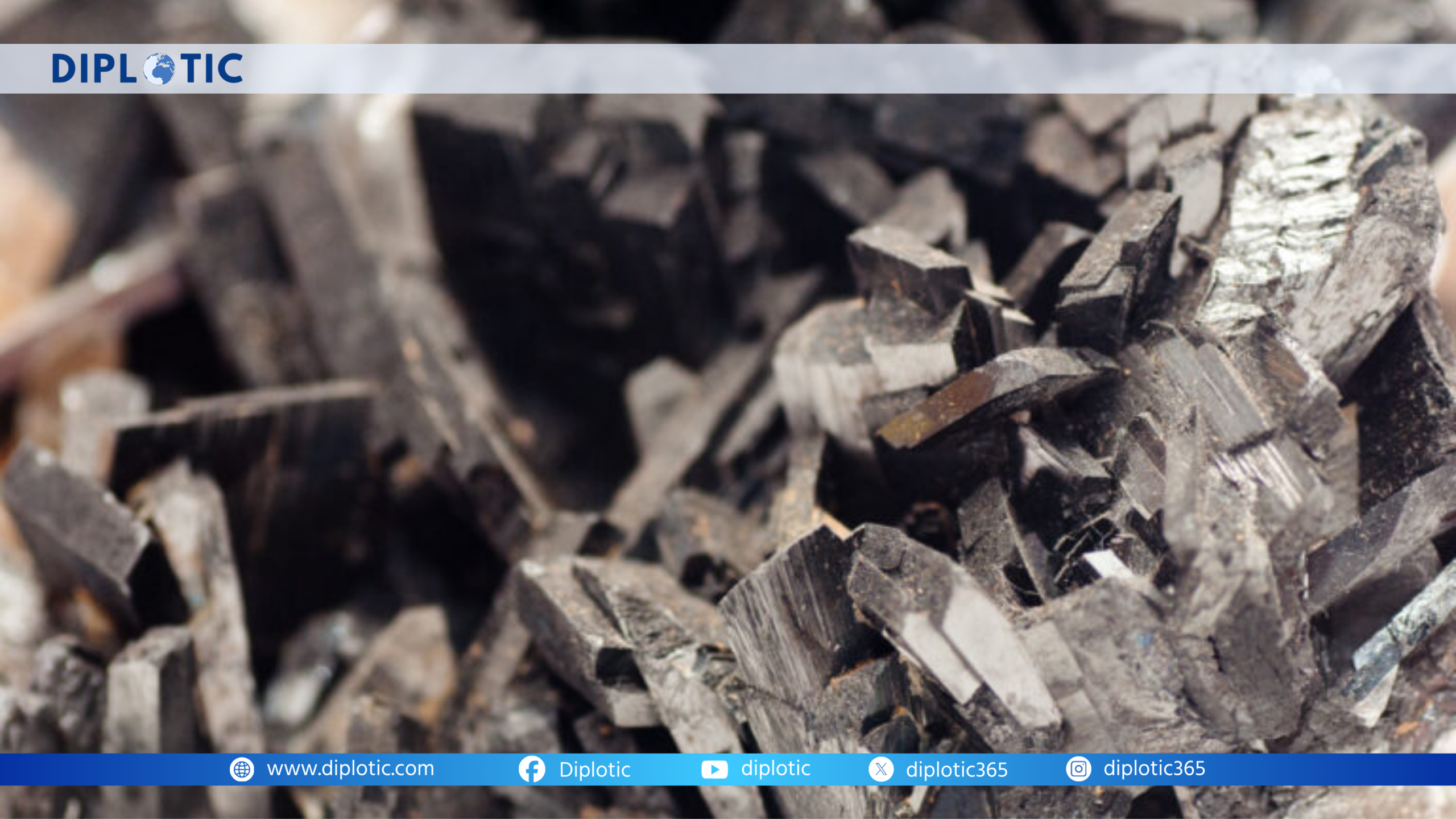
Tungsten’s strategic importance rests on a combination of physical properties that make it irreplaceable for certain applications. It has the highest melting point of any metal—over 3,400 degrees Celsius—and exceptional density comparable to gold and uranium. It is extremely hard, resistant to wear and corrosion, and conducts electricity effectively .
These properties translate into a remarkably diverse range of uses. Traditionally, tungsten carbide has accounted for about 65 percent of global tungsten consumption, serving as the material of choice for cutting tools, mining equipment, and wear-resistant components . In these applications, tungsten’s hardness translates directly into productivity gains: tools last longer, cut faster, and maintain precision under extreme conditions.
But 2026 is seeing a dramatic expansion in tungsten’s application landscape. In automotive and aerospace engineering, tungsten alloys are prized for their ability to withstand extreme stress and temperature, making them ideal for engine parts and protective shielding . In electronics, tungsten’s high melting point and conductivity are critical for producing robust interconnects and contacts in semiconductor devices .
The rise of electric vehicles is creating new demand for tungsten in battery technology and power electronics. The proliferation of artificial intelligence chips requires advanced packaging and interconnects that depend on tungsten’s unique properties. And in emerging fields such as 3D printing and AI-assisted alloy design, tungsten’s performance characteristics are being leveraged for innovative, high-precision manufacturing solutions .
What Is Driving the Shift in Tungsten Sourcing Strategies?
The geopolitical significance of tungsten has never been more pronounced. China’s dominance of primary supply—over 82 percent of global output—creates a concentration risk that strategic planners find increasingly uncomfortable . Recent export controls and resource conservation measures have demonstrated how quickly supplies can be disrupted when political priorities shift.
In response, Western countries are accelerating efforts to diversify their supply chains. The United States and European Union have introduced policy incentives to bolster domestic mining, recycling, and strategic reserves, aiming to reduce vulnerability to supply disruptions . Europe and North America are witnessing double-digit percentage increases in tungsten-related investments, signaling a broader recognition of the metal’s critical role .
New mining projects in South Korea, Australia, and Africa are gaining traction, with several sites now positioned as key alternatives to traditional Asian suppliers . While these projects cannot immediately replace Chinese supply, they represent the beginning of a long-term diversification effort that will gradually reshape global sourcing patterns.
The rise of recycling and circular economy initiatives is also opening new avenues for sustainable tungsten sourcing . Tungsten is highly recyclable, and recovered scrap now accounts for a significant portion of supply in some markets. As recycling technologies improve and collection systems develop, secondary production could play an increasingly important role in meeting demand.
How Is Technology Shaping the Future of Tungsten?
Advances in manufacturing technology are both driving demand for tungsten and transforming how it is processed and used. The integration of AI in alloy formulation is enabling the development of tungsten-based materials with tailored properties, extending their utility in high-precision industries such as medical devices, renewable energy, and defense systems .
AI-assisted design allows researchers to explore vast compositional spaces that would be impractical to test experimentally, identifying alloys with optimal combinations of hardness, toughness, weight, and other properties . This capability is particularly valuable for tungsten, whose performance can be dramatically affected by small variations in composition and processing.
The adoption of 3D printing for complex tungsten components is another transformative trend. Traditional manufacturing methods struggle with tungsten’s high melting point and hardness, making complex geometries difficult and expensive to produce. Additive manufacturing offers a path to components that would be impossible to create through conventional means, opening new applications in aerospace, medical, and defense .
Smart manufacturing platforms and the Industrial Internet of Things are also facilitating better tracking and management of tungsten inventories, reducing waste and ensuring consistent quality . These technologies help manufacturers optimize their use of expensive materials while maintaining the traceability required for regulated industries.
What Does This Mean for Global Buyers and Procurement Professionals?
For procurement leaders and strategic planners, the tungsten market presents both challenges and opportunities. On one hand, there is an urgent need to identify trustworthy, multi-regional suppliers capable of providing consistent quality and reliable delivery . The days of relying on a single dominant source are over, and supply chain resilience now requires active management of geopolitical risk.
On the other hand, the rise of recycling and circular economy initiatives is opening new avenues for sustainable sourcing . Companies that invest in recycling infrastructure and develop relationships with scrap processors can secure supplies that are both more sustainable and less vulnerable to geopolitical disruption.
Price volatility is likely to remain a feature of the tungsten market for the foreseeable future. Strategic stockpiling, export controls, and shifting demand patterns will continue to create uncertainty. Procurement professionals must develop strategies for managing this volatility, whether through long-term contracts, hedging, or inventory management.
The interplay between market forces and political decisions is now a defining factor in contract negotiations, risk management, and long-term sourcing strategies . Understanding the policy environment in producing countries is as important as understanding production capacity and quality.
What Should We Watch in the Coming Years?
Looking ahead, tungsten’s designation as a critical and strategic metal is likely to intensify. Its irreplaceable role in defense, aerospace, AI chip production, and renewable energy technologies ensures sustained demand and continued market attention . Several developments bear watching.
First, the trajectory of Chinese export policy will be decisive. If Beijing continues to restrict raw material exports, prices will remain elevated and diversification efforts will accelerate. If China chooses to use its tungsten dominance as a strategic lever, the metal could become a flashpoint in broader geopolitical tensions.
Second, the pace of new mine development will determine whether supply can catch up with demand. Projects in South Korea, Australia, and Africa hold promise, but mining is a slow business. Environmental reviews, community consultations, and infrastructure development all take time.
Third, technological innovation in recycling and substitution will shape the market’s long-term evolution. While tungsten’s unique properties make substitution difficult in many applications, sustained high prices will incentivize research into alternatives and efficiency improvements.
Fourth, the intersection of tungsten with broader technology trends—AI, EVs, semiconductors—will drive demand growth that may outpace even optimistic projections. As these sectors expand, so will their appetite for tungsten.
Conclusion
Tungsten has emerged from the shadows of industrial commodities to claim a place among the world’s most strategically important materials. Its unique properties make it irreplaceable for technologies that define the future, from artificial intelligence to electric vehicles to advanced defense systems. Its supply chain, long dominated by China, is now the focus of intense diversification efforts by governments and companies seeking to reduce vulnerability to disruption.
The price surge of 2026 is not a temporary spike but a signal of fundamental change. Tungsten is no longer just another metal. It is a strategic resource, and its availability and cost will shape the competitiveness of industries and nations for years to come. For buyers, procurement professionals, and strategic planners, understanding the tungsten market is no longer optional. It is essential.
As the world transitions toward more advanced and sustainable manufacturing paradigms, those who understand and anticipate the nuances of the tungsten supply chain will be best positioned to succeed . The metal that once seemed mundane has become extraordinary, and its story is only beginning.