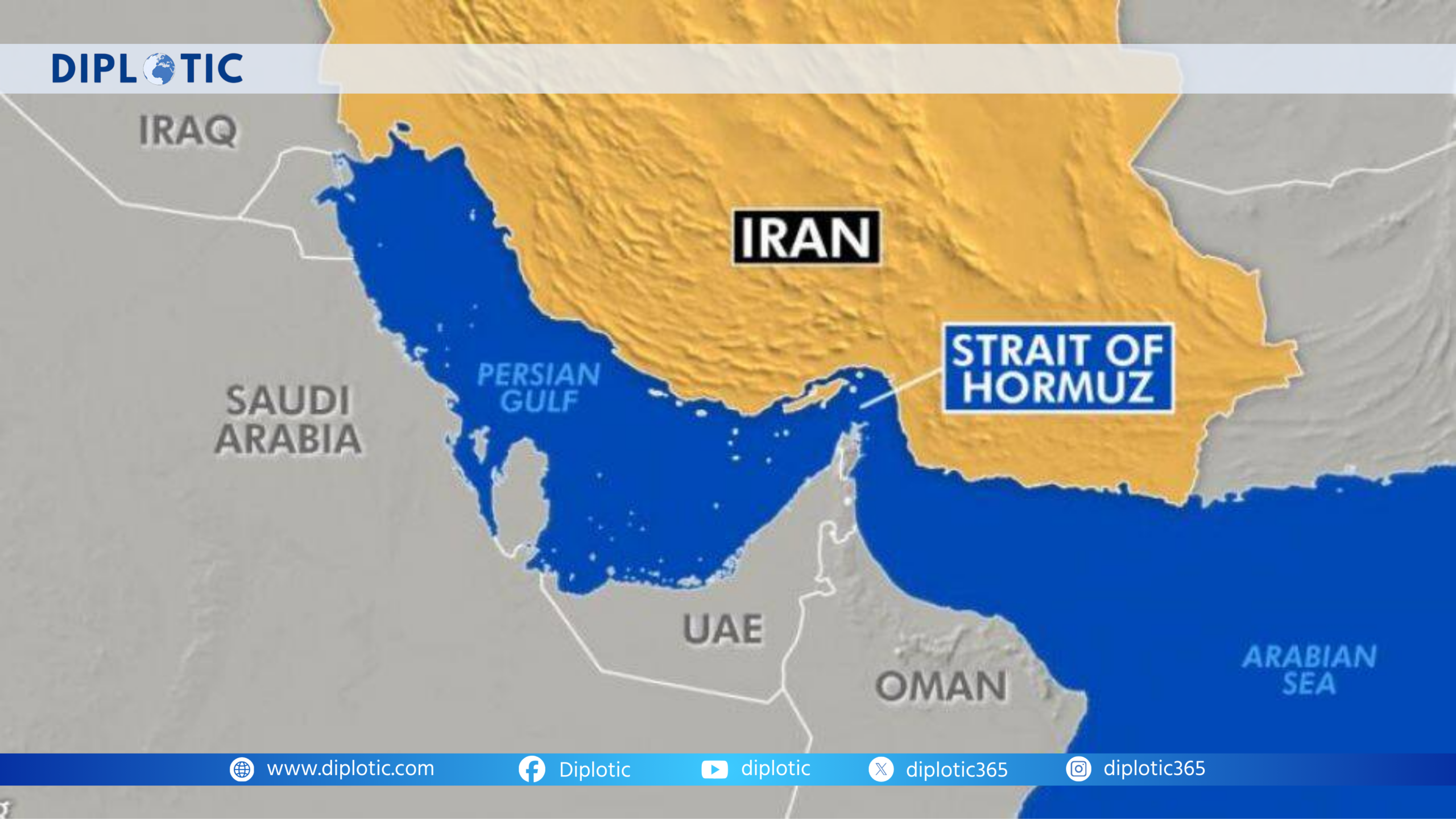
When conflict expands in the Middle East, headlines often focus on missiles, diplomacy, and oil prices. Yet far from political speeches and military briefings, another story is unfolding quietly at sea. Hundreds of commercial ships carrying oil, gas, and goods are now sitting idle in the Persian Gulf and nearby waters after the Strait of Hormuz effectively closed to normal shipping. On board these vessels are thousands of seafarers who suddenly find themselves stuck in a war zone without clear timelines for rescue or departure.
The crisis began in late February 2026 as tensions between Iran and Western powers escalated into open confrontation. In response, Iranian forces warned that any Western-linked tanker attempting to pass through the narrow strait could face attack. The warning immediately changed the behavior of global shipping companies. Many ships halted their journeys, insurance firms raised risk premiums sharply, and naval forces began monitoring the region more closely.
As a result, maritime traffic in one of the world’s most important trade routes has dropped sharply. Normally about one hundred oil tankers and cargo ships pass through the Strait of Hormuz each day. This narrow channel connects the Persian Gulf to the open ocean and carries nearly one-fifth of the world’s oil supply. With ships now anchored or delayed, the human and economic consequences are spreading quickly.
Reports from maritime authorities suggest that more than two hundred vessels are stranded near the strait or in nearby Gulf waters. On board them are crews made up of sailors from countries such as India, the Philippines, and parts of Europe. Many expected to complete their voyages weeks ago. Instead, they now wait for orders that may not come soon.
Their situation reveals a rarely discussed side of global trade. The world depends heavily on seafarers, yet their role often becomes visible only when crises occur. The current blockade has turned merchant ships into quiet witnesses to war. From their decks, crews hear fighter jets overhead and sometimes see distant explosions in the night sky. For them, the global conflict is no longer an abstract political issue. It is the reality surrounding their workplace and their daily lives.
Why Is the Strait of Hormuz So Critical to Global Energy and Trade?
To understand why the current crisis has such wide impact, it is necessary to examine the strategic importance of the Strait of Hormuz. This narrow waterway, located between Iran and the Arabian Peninsula, is one of the most vital energy corridors in the world. At its narrowest point it measures only about thirty-three kilometers across, yet it carries a huge share of global oil and liquefied natural gas exports.
Major energy producers such as Saudi Arabia, Iraq, the United Arab Emirates, Kuwait, and Qatar rely on this route to send crude oil and gas to markets in Asia, Europe, and beyond. Every day before the crisis, millions of barrels of oil moved through the strait aboard massive tankers. For importing countries including China, India, Japan, and South Korea, these shipments form a critical part of their energy supply.
Because of this concentration of trade, any disruption in the strait quickly affects global markets. When tensions increase, oil traders and shipping companies begin to anticipate possible shortages. Even the threat of closure can push energy prices upward. In early March 2026, benchmark crude oil prices jumped sharply as the conflict intensified and tanker movement dropped dramatically.
Historically, the Strait of Hormuz has been a flashpoint during regional tensions. During the Iran–Iraq war in the 1980s, both sides targeted oil tankers in what became known as the “Tanker War.” Naval escorts from the United States and other countries were eventually deployed to protect commercial shipping. Since then, the strait has remained under close observation by military forces from several nations.
However, the present crisis differs in scale and uncertainty. Shipping industry groups have now classified the Persian Gulf, the Strait of Hormuz, and nearby waters as a “warlike operations area.” This designation signals that the risk to civilian ships has become unusually high. Insurance companies have reacted by increasing war-risk premiums, sometimes by five times the normal rate. For a large tanker worth around $100 million, this can mean an additional cost of about $1 million for a single voyage.
These rising costs discourage shipping companies from sending vessels through the strait. As a result, maritime traffic has fallen sharply, with some analysts estimating a decline of up to ninety percent compared with normal levels. The slowdown has turned one of the busiest maritime corridors into a waiting zone filled with anchored ships.
While economists focus on oil prices and supply chains, the consequences for seafarers themselves are less visible but equally important. The men and women operating these ships are now living in a situation where normal commercial work has suddenly become entangled with military conflict.
What Is Life Like for Crews Waiting on Stranded Ships?
For seafarers trapped near the Strait of Hormuz, daily life continues but under unusual tension. Merchant ships are designed to operate independently for long periods, often carrying crews of twenty to twenty-five people who manage navigation, engine systems, and cargo. Even when ships are anchored, these duties do not stop. Equipment must be monitored, safety checks must continue, and communications with company offices must be maintained.
Yet the environment around them has changed dramatically. Some crews report hearing military aircraft passing overhead or seeing flashes from explosions far away on the horizon. Others receive radio warnings advising ships not to approach the strait. These signals serve as constant reminders that the waters around them are now part of a conflict zone.
Communication with families has also become difficult. Ships rely heavily on satellite systems for internet and phone access. In the current crisis, some of these signals have been disrupted by electronic interference. Crew members say they can only send brief updates to relatives at home. For families in coastal towns across Asia and Europe, these short messages often become the only reassurance that their loved ones are safe.
Inside the ships, routines help maintain calm. Crew members continue to perform their scheduled shifts, checking navigation systems, maintaining engines, and monitoring cargo tanks. In their limited free time they exercise in small onboard gyms, watch movies in their cabins, or fish from the deck. These activities may appear ordinary, but they help create a sense of normal life despite the surrounding uncertainty.
Still, anxiety remains present. In recent days several ships in the region have been attacked by drones or projectiles. Maritime authorities report multiple incidents since the conflict began, including injuries and deaths among sailors. Each new report spreads quickly through maritime communication channels, increasing concern among crews anchored nearby.
For many seafarers, the most difficult part of the situation is the lack of control. Contracts usually require them to remain on board until a voyage is completed and a replacement crew arrives. Even if a sailor requests repatriation, the ship must still maintain enough personnel to operate safely. This means that leaving immediately is rarely possible.
As days pass, crews remain caught between routine work and the uncertainty of war. Their ships hold valuable cargo, but the people operating them often feel forgotten in global discussions about energy markets and geopolitical strategy.
How Is the Crisis Affecting Global Shipping, Oil Prices, and Trade Routes?
The shutdown of normal shipping through the Strait of Hormuz has created ripple effects across the global economy. Because the strait handles a large share of oil exports from the Middle East, any disruption quickly affects energy supply expectations. Traders in international markets monitor tanker movements closely, and even partial delays can influence pricing.
Since the crisis began, oil prices have climbed noticeably. Benchmark crude contracts have moved upward as investors anticipate tighter supply conditions. Liquefied natural gas shipments have also been affected, particularly those heading toward Asian markets. For energy-importing countries, higher prices translate into increased costs for electricity generation, transportation, and manufacturing.
Shipping companies face additional challenges beyond rising fuel prices. War-risk insurance premiums have surged sharply, increasing the cost of operating vessels in the region. Some firms have suspended new bookings for Gulf routes entirely, while others are considering longer alternative paths. One option involves sailing around Africa’s Cape of Good Hope, a route that can add ten to fourteen days to a journey between the Middle East and Asia.
Longer routes mean higher fuel consumption, greater crew expenses, and delays in delivery schedules. These disruptions eventually affect industries far from the Middle East. Refineries may receive oil shipments later than expected, manufacturers may experience supply delays, and consumers may see rising prices for fuel and goods.
Another consequence is the sudden increase in freight rates. Tanker charter prices have jumped dramatically because fewer ships are available to move cargo. In some cases, daily charter rates for large crude carriers have climbed to several hundred thousand dollars. While this may benefit some shipowners, it reflects the broader instability affecting global shipping.
Air travel has also felt indirect effects. Airlines that operate routes across the Middle East have begun adjusting flight paths or suspending certain services to avoid the conflict area. These decisions add further complexity to international logistics and trade networks.
Behind all these economic indicators lies a deeper question about the resilience of global supply chains. The Strait of Hormuz has long been recognized as a potential choke point. The current crisis demonstrates how quickly a single regional conflict can disrupt energy markets and maritime transport across the world.
What Happens Next for the Seafarers and the Trade Route?
As governments monitor the situation, several possible outcomes remain under discussion. Naval forces from major powers have increased their presence in nearby waters, and some officials have suggested escorting commercial tankers through the strait if conditions worsen. Diplomatic negotiations are also ongoing, though progress has been slow.
International organizations have urged all sides in the conflict to protect civilian shipping and avoid targeting commercial vessels. Maritime regulators emphasize that merchant sailors are not part of military operations and should not be placed at risk. Nevertheless, the safety of these crews ultimately depends on decisions made far beyond the decks of their ships.
For now, thousands of seafarers continue to wait aboard vessels scattered across the Gulf. Many expected to complete their voyages weeks ago and return home. Instead, they remain anchored in a region where political tensions shape every movement at sea.
Their experience offers a reminder of how closely global trade, energy security, and human lives are connected. The world often views the Strait of Hormuz through the lens of oil statistics and geopolitical strategy. Yet the real impact of its closure is measured not only in rising prices but also in the uncertainty faced by the people who keep maritime trade moving.
If diplomacy eventually reopens the route, ships will begin sailing again and global supply chains will stabilize. But the crisis will leave behind a lasting lesson. In an interconnected world, a narrow strip of water can become the center of both economic risk and human vulnerability. And when that corridor falls silent, the first witnesses are the sailors waiting patiently at sea for the world to move again.