

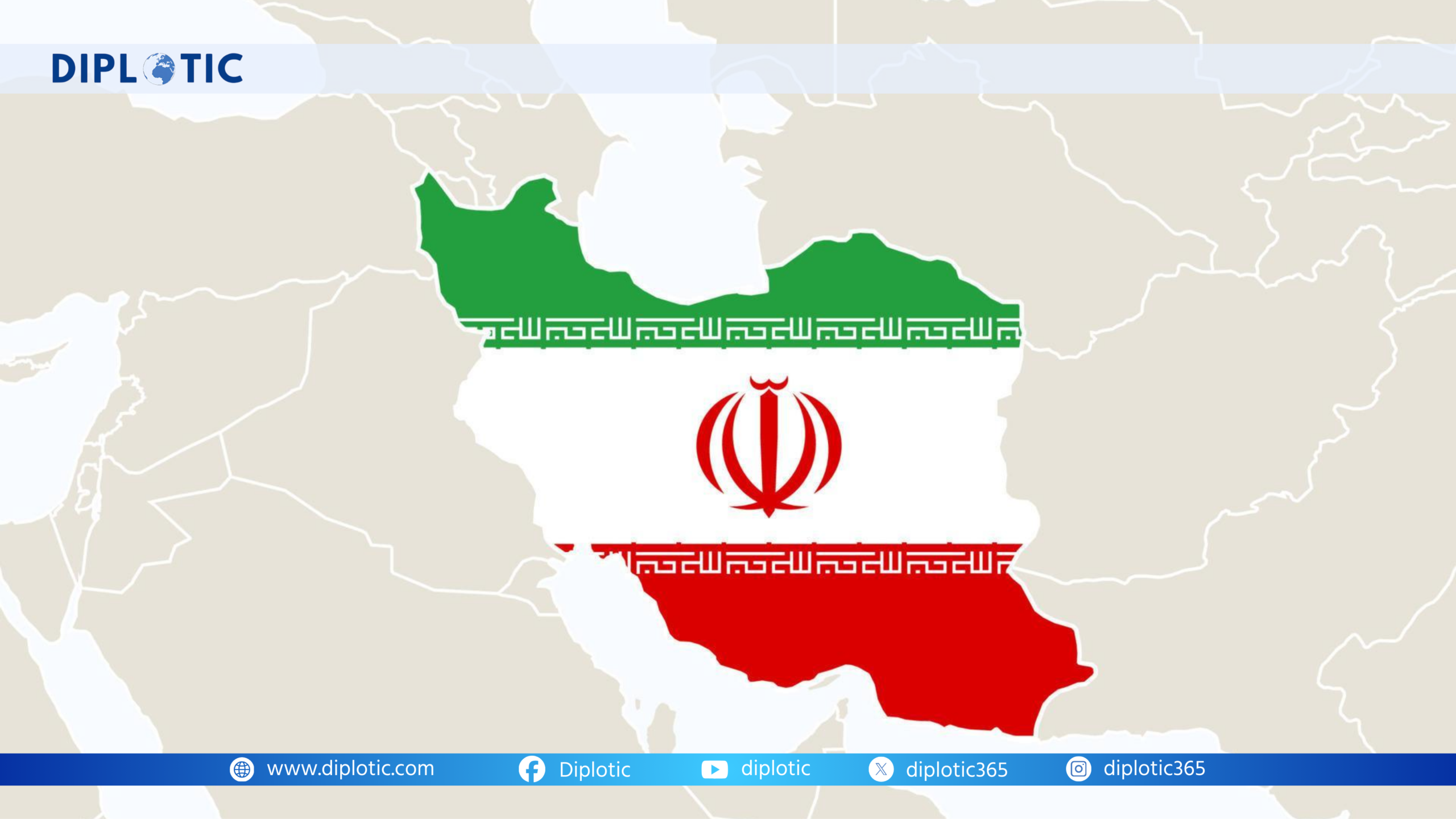
The war involving the United States, Israel, and Iran entered its seventh day on March 6, 2026, with military operations spreading across at least 14 countries in the Middle East and beyond. What began as targeted strikes has grown into a broader conflict, marked by missile and drone exchanges, refinery attacks, and large-scale evacuations of foreign nationals. Oil prices spiked sharply, stocks fell, and safe-haven assets like gold rose as markets reacted to threats against energy flows through the Strait of Hormuz. The death of Iran’s Supreme Leader Ali Khamenei in an early strike added political uncertainty, with no clear successor named. U.S. President Donald Trump has claimed significant damage to Iran’s military capabilities, including near-total loss of air defenses and naval assets. Yet the fighting continues, with Iran launching retaliatory strikes and threatening ground resistance. These developments raise urgent questions: how far will the conflict spread, what will it cost global energy markets, and can diplomacy still prevent a wider regional crisis? The economic fallout is already visible, and the coming days will show whether this remains contained or becomes a defining global event.
How Have Oil and Energy Markets Responded to the Escalation?
Energy prices reacted immediately and strongly. Brent crude surged as much as 12% when U.S. markets opened after the initial strikes, settling around 8% higher at $78.49 a barrel. WTI crude rose 6% to nearly $71.35 a barrel. The fear of disruption in the Strait of Hormuz—through which about 20% of global oil and a large share of liquefied natural gas flows—drove the spike. Qatar halted production at its Ras Laffan plant, the world’s largest LNG facility, after Iranian strikes, pushing natural gas prices higher. Saudi Aramco stopped operations at its Ras Tanura refinery following a drone attack, further tightening supply concerns.
Shipping insurance premiums and freight rates have climbed, making energy transport more expensive. Analysts described the Strait as a potential “macro circuit breaker,” warning that even partial restrictions could send prices toward $100 or beyond. Higher energy costs risk fueling inflation and slowing global growth, especially in import-dependent regions. Yet some tempering factors exist: OPEC+ plans to increase output from April, and the U.S. now produces more oil than any other country, reducing its vulnerability compared with past crises. Gasoline remains a small part of household budgets in many places, limiting immediate consumer pain. Still, the energy shock has rippled through markets, with traders bracing for further volatility if the conflict persists.
How Have Stock Markets and Other Assets Reacted?
Equity markets opened lower but avoided deep panic. The S&P 500 fell 0.3%, the Dow Jones dropped 0.4%, and the Nasdaq eased 0.16%. European indexes declined more, with travel, hotel, and cruise stocks hit hardest as global tourism outlook darkened. Defense shares like Lockheed Martin and RTX rose, along with oil majors Exxon Mobil and Chevron, as investors bet on higher military and energy demand.
Gold climbed 2% to $5,352 per ounce, continuing its role as a safe-haven asset during geopolitical stress. Silver gained similarly, while platinum dipped slightly. Copper fell 0.5%, reflecting worries about industrial demand if growth slows. Bitcoin initially dropped with risk assets but recovered to around $66,000.
The U.S. dollar index rose 0.9%, benefiting from higher energy prices and risk aversion. A stronger dollar tends to weigh on emerging markets and multinational firms with overseas revenue. Overall, the reaction was orderly—risk-off but not chaotic—suggesting markets see the conflict as serious but not yet a global crisis.
What Are the Main Risks Investors Are Watching?
Several factors could shape the market’s next moves. First is the Strait of Hormuz. Even partial closure would disrupt oil and LNG flows, pushing prices higher and raising shipping costs. Second is inflation. A sustained oil spike could force central banks to delay rate cuts or tighten policy, hurting stocks. Third is escalation. If the conflict widens or draws in more countries, risk aversion could deepen.
Supply chain effects are another concern. Higher insurance and freight costs could squeeze margins for companies reliant on global trade. Travel stocks face immediate pressure from canceled flights and reduced bookings. Broader economic slowdown risks rise if energy costs hit consumer spending or business investment.
Yet some analysts note limits to the damage. The U.S. energy independence reduces its exposure compared with past shocks. Gasoline is now a small part of household budgets. OPEC+ spare capacity could help offset losses. Markets may have already priced in some disruption, limiting further upside in oil or downside in stocks.
What Should Investors Keep an Eye On Moving Forward?
The coming days will bring clearer signals. Watch oil prices and shipping data for signs of Strait disruption. Earnings calls from energy, defense, and travel firms will offer management views on costs and demand. Central bank statements and economic data—especially inflation and consumer spending—will show if higher energy prices threaten growth.
Monitor geopolitical updates closely. Any de-escalation or mediation efforts could calm markets quickly. Sustained conflict or wider involvement would likely increase volatility. Currency moves, bond yields, and safe-haven flows will provide additional clues.
The market reaction to the Iran conflict ties immediate energy shocks to longer-term economic risks. Oil’s spike and stocks’ dip reflect real worries about supply and inflation, but the response has stayed measured so far. Investors should stay alert to developments in the Strait, energy markets, and policy responses. The next few weeks will show whether this remains a contained event or grows into a larger disruption. For now, the focus is on facts—supply flows, corporate outlooks, and diplomatic signals—rather than fear. Staying informed and balanced will help navigate whatever comes next in this fast-moving situation.




