

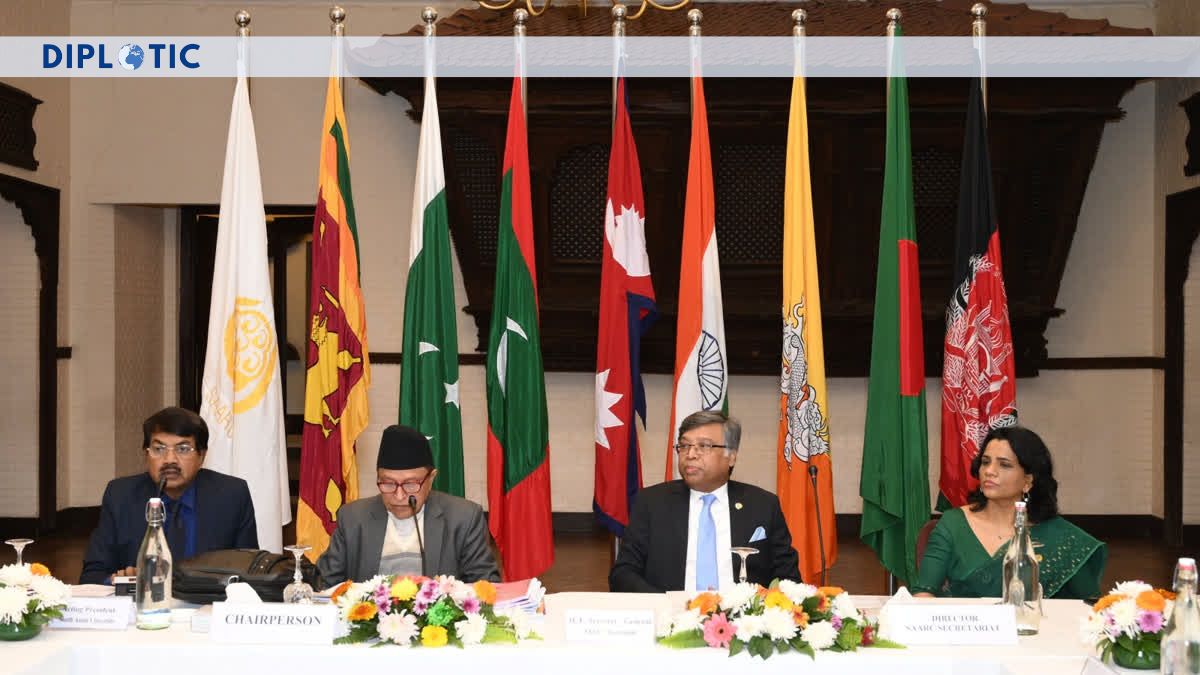
South Asia, with its two billion people and shared cultural roots, holds great promise for economic and social progress through teamwork. Yet regional cooperation has often been limited by political tensions and practical hurdles. The South Asian Association for Regional Cooperation (SAARC), started in 1985, aimed to address poverty, boost trade, and improve lives across eight nations: Afghanistan, Bangladesh, Bhutan, India, Maldives, Nepal, Pakistan, and Sri Lanka. It set goals like creating a common market, enhancing health and education, and promoting cultural ties. But SAARC has struggled to deliver, with summits often canceled and projects stalled. Now, countries are turning to bilateral deals, sub-regional groups like the Bangladesh-Bhutan-India-Nepal (BBIN) Initiative, and trans-regional partnerships. The South Asia Subregional Economic Cooperation (SASEC), supported by the Asian Development Bank since 1996, focuses on energy, roads, and trade among seven members: Bangladesh, Bhutan, India, Maldives, Myanmar, Nepal, and Sri Lanka. Amid shifting politics, the key question is whether SASEC and similar efforts can breathe new life into cooperation, or if larger issues will keep holding the region back. Looking at these paths shows the challenges of big groups like SAARC and the strengths of smaller, focused alternatives.
What Has Kept SAARC from Reaching Its Full Potential?
SAARC began with strong ideals. Leaders saw it as a way to build trust and solve common problems like poverty and trade limits. Early plans included a free trade area in 2006, but full rollout has been slow. The group has made some gains, like visa-free travel for officials and joint work on disaster response. Yet overall impact remains small, with trade among members below 5 percent of their total trade—far less than in the EU or ASEAN.
The biggest block has been the India-Pakistan rivalry. Conflicts over Kashmir and other issues have spilled into meetings, leading to distrust and stalled decisions. Many summits were postponed, and key projects like energy sharing or transport links have not moved forward. This tension affects the whole group, as consensus is needed for major steps.
Other issues add to the slowdown. Economic gaps are wide: India’s fast growth leaves smaller nations like Bhutan or Nepal behind, making fair policies hard. Poor roads, ports, and rails limit goods movement. Rules and paperwork differ by country, adding costs and delays. These factors keep cooperation limited, even on shared needs like water management or climate response.
Despite setbacks, the need for teamwork is clear. Joint efforts could create jobs, lower costs, and tackle problems like floods or migration. Social ties could build understanding and reduce conflicts. SAARC’s struggles show why smaller options have grown in appeal.
How Are Bilateral Deals and Sub-Regional Groups Stepping In?
With SAARC slow, countries have chosen direct paths. Bilateral agreements let pairs work on specific needs without full group buy-in. India has trade pacts with Bangladesh and Sri Lanka, easing goods and services flow. Bhutan sells hydropower to India, helping both with energy needs. These deals build trust through quick wins.
Sub-regional groups like BBIN target transport, power, and trade among Bangladesh, Bhutan, India, and Nepal. They have built cross-border roads and grids, making movement easier. SASEC has funded over 50 projects worth $10 billion since starting, focusing on economic corridors that link markets. These smaller setups move faster with fewer members and clear goals.
The approach avoids SAARC’s political blocks by excluding tense pairs. It shows results: better highways cut travel times, shared power lowers costs. Yet limits exist: excluding Pakistan narrows scope for some issues, and funding often comes from outside sources like the Asian Development Bank. Still, these groups prove focused work can succeed where larger forums fail.
What Part Do Trans-Regional Links Play in the Region’s Growth?
India has reached beyond South Asia for stronger ties. The Act East Policy builds links with Southeast Asia through trade, roads, and security. Deals with Japan and South Korea bring tech and factory investments. Ties with the U.S. and EU draw funds for clean energy and digital growth.
These partnerships help South Asia indirectly. Better ports from Indian-Japanese projects could connect to BBIN routes. EU tech aid might support SASEC’s trade goals. They give smaller nations more choices, reducing reliance on one neighbor. Yet benefits may flow more to India, creating uneven gains.
This strategy shows realism: if full regional work stalls, build what works. It could push SAARC to improve by showing smaller successes. Youth and civil society can help with exchanges that build goodwill from below.
What Could Drive Stronger Ties in South Asia Going Forward?
South Asia’s cooperation story links bold starts like SAARC to practical shifts like SASEC and bilateral deals. Political rifts, especially India-Pakistan, have slowed SAARC, but sub-regional work shows gains in targeted areas. Economic gaps, weak links, and rules remain blocks, yet groups like BBIN and SASEC deliver through focused projects.
The future could blend these: sub-regional wins might revive SAARC. Trans-regional ties bring resources for all. Youth and civil society can foster understanding beyond politics. Leaders must choose teamwork over divides to turn shared issues into joint fixes. Stronger links could mean more jobs, lower costs, and better security. The question is if they will prioritize that vision. As shifts continue, the answer will shape South Asia’s path ahead.




