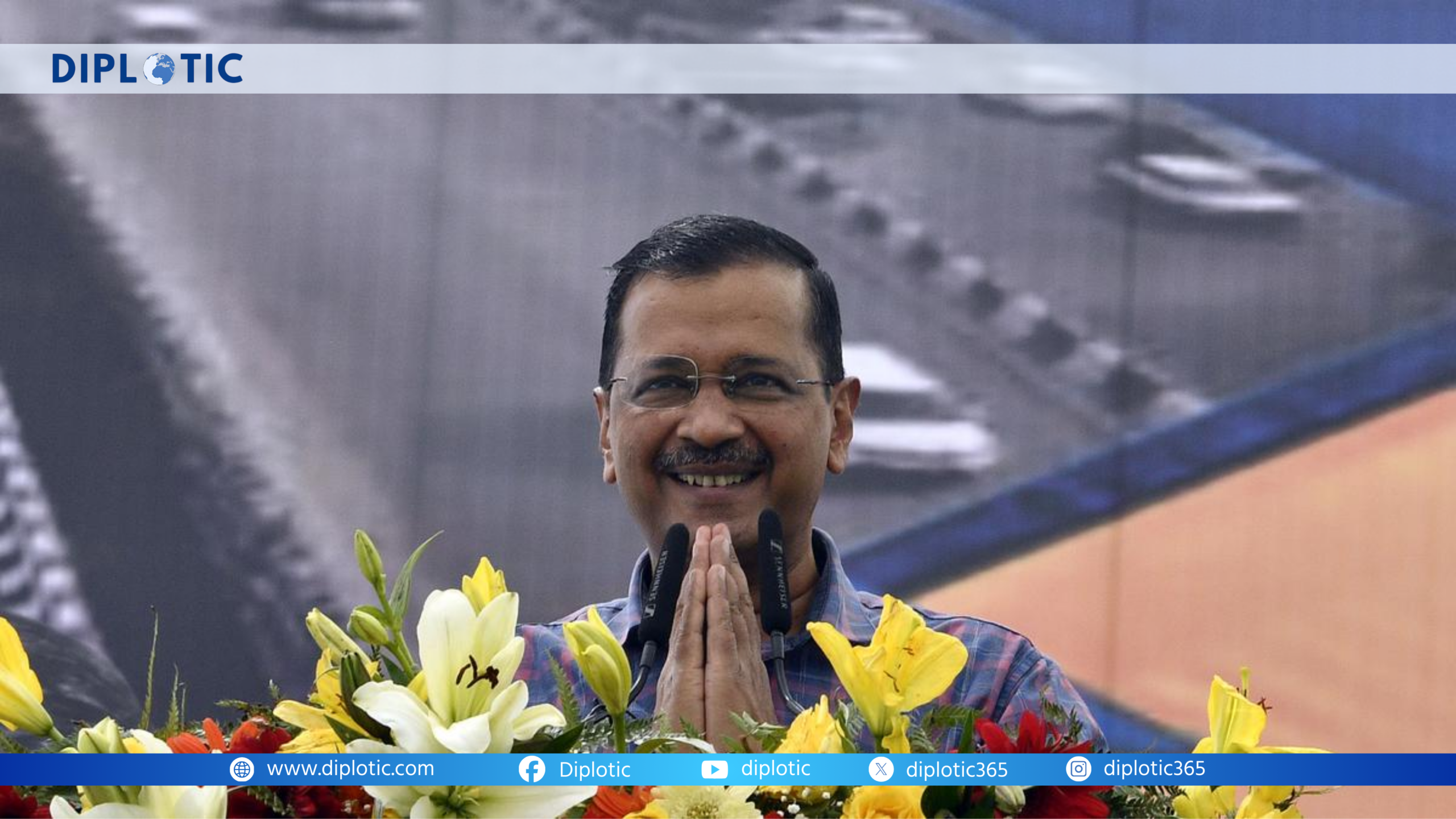
On February 23, 2026, a Delhi court acquitted Arvind Kejriwal and his close aide Manish Sisodia in the Delhi liquor excise policy case. The ruling came after nearly two years of legal battles that began with their arrests in 2024. The judge found no evidence of an overarching conspiracy or criminal intent in the policy itself and criticized the Central Bureau of Investigation for relying too heavily on statements from co-accused without supporting material. Kejriwal broke down in tears outside the courtroom, calling the case a politically motivated attack that had damaged his reputation and cost him his position as Delhi’s Chief Minister. The acquittal arrives at a moment when the Aam Aadmi Party is still recovering from its heavy defeat in the 2025 Delhi Assembly elections, where the Bharatiya Janata Party won 48 of 70 seats. This verdict raises important questions: does it mark a genuine clearing of Kejriwal’s name, or will its political impact be limited in a landscape now dominated by the BJP? The outcome touches on issues of governance, public trust, and the role of investigative agencies in India’s polarized environment.
What Was the Liquor Excise Policy Case About?
The case centered on the Delhi government’s new excise policy introduced in November 2021. The policy aimed to increase revenue and reduce the black market by privatizing retail liquor sales. Private licensees were allowed to run shops, stay open later, and offer discounts. The government reported a 27 percent jump in excise revenue after the change. Supporters argued it modernized an outdated system and improved customer experience.
The Bharatiya Janata Party, then in opposition in Delhi, criticized the policy heavily. They claimed it allowed shops in residential areas, promoted excessive drinking, and favored certain licensees through irregularities. In July 2022, Delhi’s then-Chief Secretary flagged alleged violations, including unauthorized rebates on license fees. This led to investigations by the Enforcement Directorate and the Central Bureau of Investigation. Both agencies looked into claims of corruption, money laundering, and conspiracy involving senior AAP leaders.
Kejriwal and Sisodia were arrested in March 2024. The AAP described the moves as politically driven, aimed at weakening the party before elections. The case became a major issue in the 2025 Delhi polls, with the BJP using it to question the AAP’s anti-corruption image. Kejriwal resigned as Chief Minister after his arrest, citing principle. Atishi took over as his replacement. The legal process dragged on, with multiple bail hearings, Supreme Court interventions, and allegations of medical neglect during detention. The court’s final ruling found no solid evidence of conspiracy or personal gain, clearing both leaders of all charges.
How Did the Case Affect Kejriwal’s Image and the AAP’s Fortunes?
The excise case struck at the core of the AAP’s identity. The party built its appeal on Kejriwal’s image as an honest, middle-class leader fighting corruption. The prolonged legal battle and jail time damaged that narrative. Public perception shifted for many voters, who began to question whether the AAP was as clean as it claimed. The BJP ran a sustained campaign linking Kejriwal to “sheesh mahal” spending and the liquor policy, framing him as hypocritical. This messaging contributed to the AAP’s sharp defeat in 2025, when it lost power after 11 years in Delhi.
The case also disrupted party operations. With Kejriwal, Sisodia, and Sanjay Singh in custody at different points, the AAP struggled to campaign effectively. Internal coordination weakened, and public rallies often focused on defending leaders rather than highlighting governance achievements. The party’s signature programs—improved government schools, free electricity, and health care—lost some of their shine amid the corruption allegations. The 2025 election result showed how damaging the narrative became: the AAP’s vote share fell significantly, and the BJP capitalized on anti-incumbency and the liquor case to secure a clear majority.
The acquittal offers Kejriwal a chance to reclaim his narrative. He can now argue the charges were baseless and politically motivated. Yet the damage to public trust may not reverse quickly. Many voters who turned away in 2025 may remain skeptical, and the BJP is likely to continue questioning the AAP’s credibility even after the verdict.
What Are the Broader Political Implications for Delhi and National Politics?
In Delhi, the acquittal does not change the current government. The BJP holds power firmly after its 2025 win. However, it gives the AAP a moral boost and a platform to criticize the use of agencies against opposition leaders. Kejriwal can use the verdict to rally supporters, argue for stronger checks on investigative bodies, and rebuild the party’s image ahead of future civic or assembly polls.
Nationally, the case fits into a larger debate about the role of central agencies in politics. Opposition parties have long accused the BJP of using the CBI, ED, and other bodies to target rivals. The acquittal strengthens that claim and may encourage more legal challenges to ongoing cases against opposition figures. It also highlights the judiciary’s independence: despite prolonged proceedings, the court reached a decision based on evidence rather than political pressure.
The outcome could affect public perception of anti-corruption drives. If high-profile cases end in acquittals, voters may grow skeptical of similar probes. At the same time, the BJP can argue that the investigation exposed flaws in the policy, even if criminal intent was not proven. This keeps the narrative alive in public discourse.
For the AAP, the verdict is a step toward recovery but not a full reset. The party must now focus on rebuilding organizationally, regaining voter trust, and developing a clear strategy for future contests. Kejriwal’s personal credibility remains central to the AAP’s appeal, so his ability to move past this chapter will shape the party’s prospects.
What Does This Mean for Governance and Public Trust in India?
The liquor policy case and its resolution reflect deeper issues in Indian politics. It shows how allegations of corruption can dominate public debate and influence elections, even when evidence falls short in court. It also raises questions about investigative processes: prolonged cases can damage reputations before guilt is established, while quick acquittals can fuel perceptions of bias or misuse of power.
The episode highlights the need for stronger safeguards to prevent agencies from being used for political ends. At the same time, it underscores the importance of judicial independence. The court’s decision to acquit based on lack of evidence reinforces the principle that charges must be backed by facts, not assumptions.
For voters, the case serves as a reminder to weigh both allegations and outcomes carefully. Public discourse often moves faster than legal proceedings, and early judgments can shape opinions before all facts emerge. The acquittal may restore some faith in Kejriwal for his supporters, but rebuilding broader trust will take time and consistent governance.
Arvind Kejriwal’s acquittal in the liquor excise case connects a major legal battle to larger questions about politics, justice, and public faith in India. The ruling clears him and Sisodia of corruption charges but cannot erase the political costs the AAP paid. The case influenced Delhi’s 2025 election outcome and highlighted tensions over the use of central agencies. Moving forward, it challenges the AAP to rebuild and the BJP to adapt its strategy. For the wider system, it underscores the need for fair, evidence-based investigations that do not become tools of political combat. As Delhi and the country look ahead, the verdict marks one chapter’s end but leaves open questions about how trust in governance can be restored and maintained in a deeply divided landscape. The coming years will show whether this outcome leads to reconciliation or further polarization.