Introduction
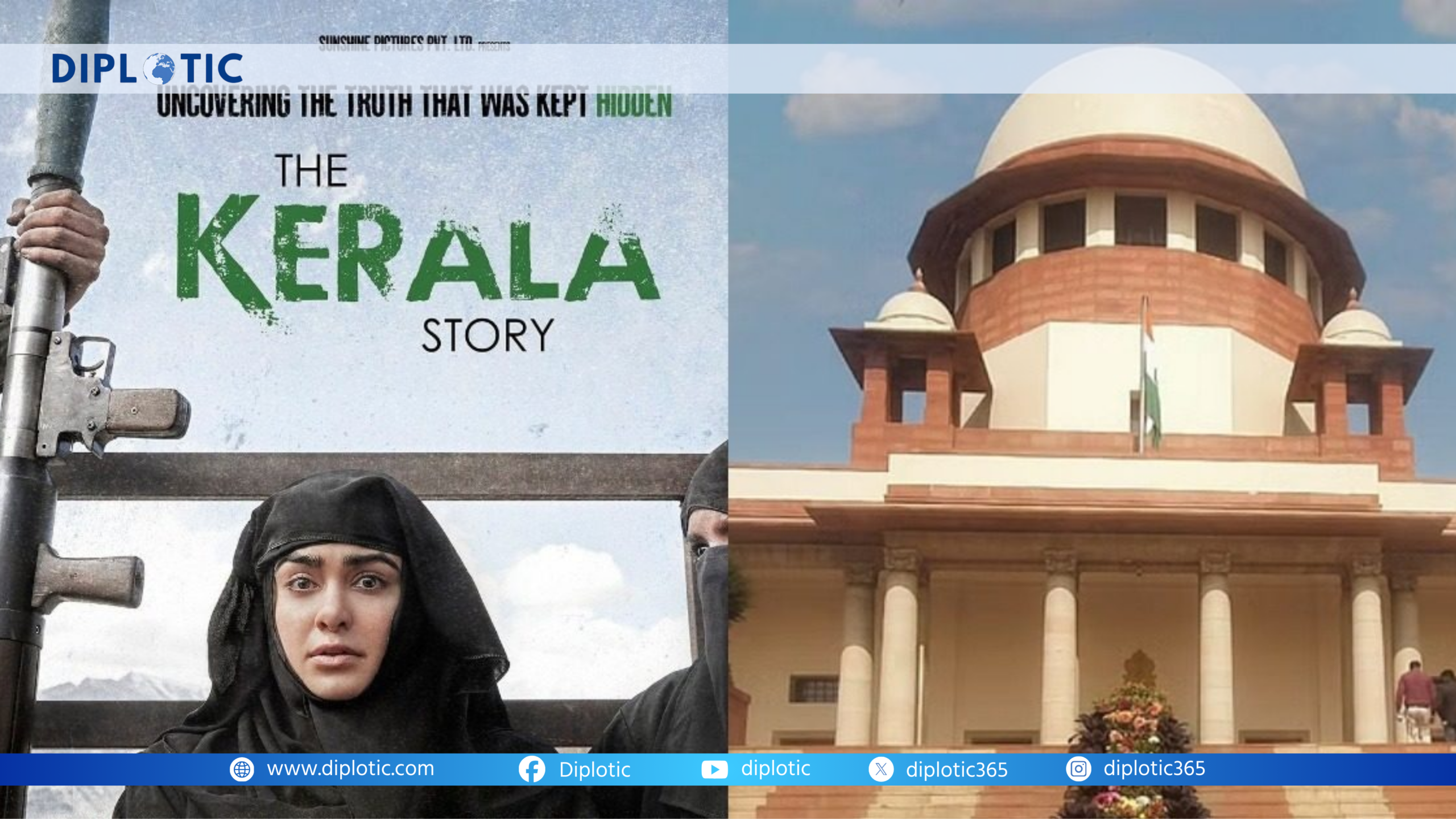
Just days before its planned release on February 27, 2026, The Kerala Story 2 has become the center of a legal and political storm. What began as a teaser launch has now moved into the Kerala High Court, with petitions seeking a stay on the film’s release. Political leaders have spoken strongly against it, while the makers insist they are raising real concerns. The debate is not only about one film. It touches deeper questions about free expression, certification rules, political influence, and the limits of cinema in a diverse society. As the court prepares to review the film, the controversy offers a clear window into how India handles sensitive storytelling in the present day.
What Triggered the Legal Challenge Against The Kerala Story 2?
The immediate spark came from the film’s teaser. The promotional clip opens with a bold claim suggesting that India could turn into an Islamic State within 25 years. Another scene shows a woman allegedly being forced to eat beef by her in-laws. Critics argue that such scenes present Muslims and the state of Kerala in a negative way and may create fear or social division. Supporters of the film say it is meant to highlight concerns about radicalisation and should be viewed as a work of cinema, not as a political statement.
Soon after the teaser release, a petition was filed in the Kerala High Court by Sreedev Namboodiri, a biologist. The petition sought either a stay on the release or a direction to the central government to review the film before screening. According to the plea, the film contains “malicious and stereotypical projections” that could harm the image of Kerala and its people. The petitioner argued that the content may disturb communal harmony.
Reports indicate that more than one petition has reached the court, raising concerns that the teaser and trailer may provoke tension. The court has decided to watch the film before taking a final call. This step reflects a pattern seen in earlier film disputes, where courts prefer to examine the content directly rather than rely only on promotional material.
The Central Board of Film Certification has reportedly granted the film a U/A certificate, which allows viewing with parental guidance for children under 12. The certification suggests that the board did not find the content unlawful under current guidelines. However, certification does not prevent judicial review. Indian courts have, in past cases, intervened even after films were cleared by the board, especially when public order concerns were raised.
How Have Political Leaders and the Public Responded?
The controversy has moved beyond the courtroom into the political space. Kerala Chief Minister Pinarayi Vijayan criticised the sequel, stating that the first film had already spread what he described as false narratives. He warned against attempts to damage Kerala’s image as a secular state. His remarks reflect a concern that films with strong ideological themes may affect social balance in a state known for religious diversity and high literacy rates.
Supporters of the ruling state government argue that cinema should not be used to target any community. They believe that films with sensitive themes must be handled carefully, especially in a state with a long history of peaceful coexistence among religions. Kerala’s political history has often involved strong debates around secular values, minority rights, and cultural identity. In that context, the reaction to The Kerala Story 2 fits into a broader pattern of political vigilance over cultural content.
On the other side, supporters of the film argue that creative works must be allowed to question uncomfortable issues. They say cinema often deals with crime, extremism, and social problems, and such themes should not be blocked simply because they are sensitive. They also point out that public debate is part of democracy and that viewers should decide for themselves.
Public opinion appears divided. Some citizens fear that the film may increase mistrust between communities. Others believe that stopping a film before its release sets a worrying example for artistic freedom. The debate shows how cinema in India often becomes more than entertainment. It becomes a space where politics, identity, and law intersect.
What Are the Makers Saying in Their Defence?
Producer Vipul Amrutlal Shah has strongly defended the film. In interviews, he has stated that the film is not against Kerala as a state but aims to expose what he describes as harmful elements. He has described Kerala as “God’s Country” and said the intention is to address concerns, not to target any community.
The first film in the series faced criticism over its claim that 32,000 women from Kerala were linked to extremist groups. That figure was widely debated. In response, the makers later released clarifications and adjusted some promotional material. The controversy around that number remains part of the background to the current dispute.
For The Kerala Story 2, the makers argue that they have followed all legal procedures. They say the Central Board of Film Certification reviewed the film and granted approval. They also state that creative expression should not be restricted based on assumptions about audience reaction. According to them, the film raises concerns that deserve discussion and should be seen in full context rather than judged by short clips.
The director, Kamakhya Narayan Singh, along with the cast, including Ulka Gupta, Aditi Bhatia, and Aishwarya Ojha, has not framed the film as a political campaign. Instead, the team presents it as a story-based project dealing with serious themes. However, in India, films dealing with religion or extremism often carry political weight, whether intended or not.
The defence from the makers highlights a key tension in Indian cinema: once a film receives certification, should additional barriers be placed on it? Or does public order allow courts to intervene if they believe harm may occur?
What Does This Case Reveal About Free Expression in India?
India’s Constitution guarantees freedom of speech and expression under Article 19(1)(a), but it also allows reasonable restrictions in the interests of public order, morality, and national security. Over the years, courts have tried to balance these principles. In several past judgments, the Supreme Court has said that freedom of expression cannot be suppressed unless there is a clear and present danger to public order.
At the same time, India has seen many films face protests, legal notices, and political objections. From historical dramas to biographical films, cinema has often triggered debate. The Kerala Story 2 joins a long list of works that test the limits of storytelling in a diverse society.
One important issue in this case is whether promotional material can be the basis for banning a film. Courts have sometimes ruled that a film must be judged as a whole. Another issue is the role of the certification board. If a film is cleared by the board, should courts hesitate before intervening? These questions remain central.
The controversy also reflects a wider environment where identity and media narratives carry strong political meaning. In such a climate, films can quickly become symbols of larger ideological struggles. This increases pressure on both filmmakers and authorities.
As the Kerala High Court prepares to review the film, its decision will likely focus on whether the content crosses legal limits or remains within the boundaries of protected expression. The ruling may not end the debate, but it will add to the evolving case law around cinema and speech.
Conclusion
The dispute over The Kerala Story 2 is not only about one film scheduled for release on February 27, 2026. It is part of a continuing conversation about how India manages free expression in a complex and diverse society. The court’s review, the political reactions, and the defence by the makers all show that cinema remains a powerful platform.
In earlier decades, similar debates shaped guidelines and legal standards. Today, the same questions return in new forms. How far can filmmakers go when addressing sensitive themes? When does criticism become censorship? And who decides where the line lies?
As the legal process unfolds, the case may set another marker in India’s ongoing effort to balance artistic freedom with social responsibility. The answer will not be simple, but it will shape how future stories are told.