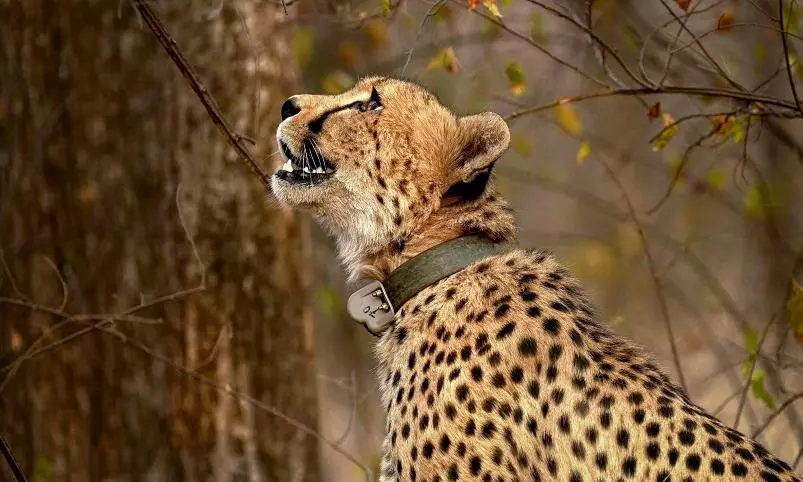
India’s ambitious wildlife restoration effort, Project Cheetah, is entering a decisive phase in 2026. With new cheetahs arriving from Botswana, successful breeding in the wild, and expanding habitats, the project is reshaping India’s grassland ecosystems and redefining conservation success.
Here’s a clear breakdown of what Project Cheetah is, why it matters, and what the new arrivals mean for biodiversity.
🌍 What Is Project Cheetah?
Project Cheetah is India’s flagship conservation programme to reintroduce cheetahs, which were declared extinct in India in 1952 due to hunting and habitat loss.
The project was officially launched in September 2022, marking the world’s first intercontinental translocation of a large carnivore. The initial batches included:
- 8 cheetahs from Namibia (2022)
- 12 cheetahs from South Africa (2023)
- 8 more cheetahs arriving from Botswana in February 2026
The primary goal is to establish a self-sustaining cheetah metapopulation of 60–70 individuals across a 17,000 sq km landscape by 2032.
🏞️ Where Are the Cheetahs Being Reintroduced?
Kuno National Park, Madhya Pradesh
- Core reintroduction site
- Currently houses 35–38 cheetahs, including wild-born cubs
- Has recorded multiple successful births, indicating healthy adaptation
Gandhi Sagar Wildlife Sanctuary
- Developed as the second habitat
- Reduces pressure on Kuno
- Forms part of a wider inter-state conservation landscape
Future expansion zones include Banni Grasslands (Gujarat) and Nauradehi Sanctuary (Madhya Pradesh).
🐾 What’s Special About the 2026 Arrivals?
In February 2026, eight cheetahs from Botswana are arriving in India. This is vital because:
- It boosts genetic diversity
- Reduces inbreeding risks
- Strengthens long-term population stability
- Supports India’s target of 50 cheetahs by the end of 2026
This new batch also reflects deepening international conservation cooperation between India and African nations.
🌱 Why Cheetahs Matter for Biodiversity
Cheetahs are flagship species their presence restores entire ecosystems.
🔄 Ecological Benefits:
- Controls herbivore populations
- Revives grasslands & open forests
- Restores trophic balance
- Enhances carbon sinks
- Supports climate resilience
India uses cheetahs as umbrella species to revive degraded savanna and grassland ecosystems, long neglected in conservation policy.
🧬 Has the Project Been Successful So Far?
Yes, despite early setbacks, Project Cheetah has achieved major milestones:
- 38 cheetahs now in India
- Multiple wild births
- Second-generation cubs born
- Survival rates comparable to African rewilding efforts
- Successful hunting & adaptation confirmed
Recent births by cheetahs like Aasha, Gamini, Nirva, and Veera mark a turning point for long-term sustainability.
👥 Community & Economic Impact
Project Cheetah also supports:
- 450+ local “Cheetah Mitras”
- 380 direct jobs
- Eco-tourism revenue sharing
- Local infrastructure development
This integrates conservation with rural livelihoods, turning wildlife protection into an economic opportunity. ⚠️ Challenges Ahead
- Habitat connectivity across states
- Human–wildlife conflict
- Monitoring large-ranging animals
- Inter-state coordination gaps
However, new inter-state conservation frameworks are being developed to manage movement and expansion.
🌏 Why This Matters Beyond India
Project Cheetah is:
- A global conservation experiment
- A model for large carnivore rewilding
- A symbol of India’s environmental leadership
- A contributor to global biodiversity and climate goals
🐆 Bottom Line
Project Cheetah is no longer an experiment it is becoming a conservation success story.
With new cheetahs arriving in 2026, rising birth rates, expanding habitats, and growing community support, India is witnessing the revival of an apex predator and the ecosystems that depend on it.