
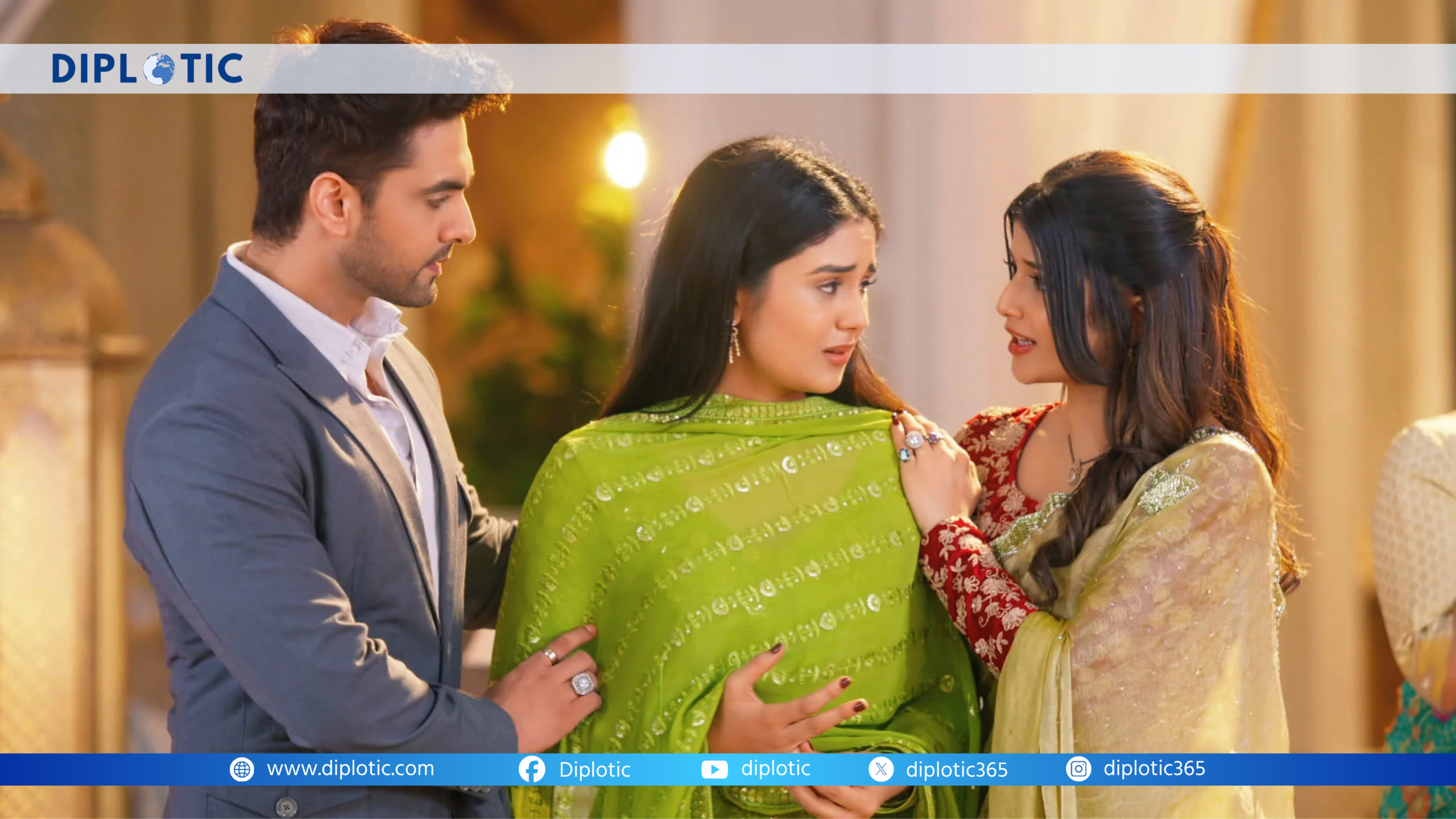
For over a decade, Yeh Rishta Kya Kehlata Hai has remained one of Indian television’s most discussed and emotionally charged dramas. Known for its generational leaps, dramatic plot turns, evolving relationships, and family conflicts, the show has mastered the art of sustaining audience attention across changing eras and characters.
But beyond the headlines and social media chatter, what explains its enduring appeal? Why do viewers remain so emotionally invested in every twist — from weddings and separations to betrayals and reconciliations? The answer lies not only in storytelling, but in viewer psychology.
A Legacy of Emotional Storytelling
When Rajan Shahi launched the show in 2009, it centered on traditional family values, marriage dynamics, and evolving gender roles within a joint family. Over time, the narrative transitioned through multiple generations — introducing new protagonists while maintaining emotional continuity.
The show’s strength lies in its ability to balance familiarity with change. Long-time viewers experience nostalgia, while newer audiences find contemporary themes they can relate to. The series creates a living, evolving world rather than a static storyline.
This multi-generational format ensures that viewers feel like they are growing alongside the characters. Emotional continuity builds loyalty, and loyalty transforms into habit — one of television’s most powerful psychological hooks.
The Power of Dramatic Twists
Recent episodes have amplified emotional tension: misunderstandings between lovers, unexpected separations, health scares, and family confrontations. Each twist is carefully structured to trigger anticipation and anxiety.
Cliffhangers play a crucial role. By ending episodes on unresolved emotional beats, the show activates what psychologists call the “Zeigarnik effect” — the tendency to remember and obsess over incomplete narratives. When a conflict remains unresolved, viewers feel compelled to return for closure.
The writers also employ moral dilemmas rather than simple villains. Characters are often flawed but relatable. This complexity encourages viewers to debate motivations online, turning passive watching into active engagement.
Attachment Theory and Viewer Loyalty
One reason audiences remain emotionally attached is rooted in attachment theory. Over time, viewers form parasocial relationships — one-sided emotional bonds with fictional characters.
When beloved characters face heartbreak or injustice, viewers experience genuine stress and empathy. The brain does not fully distinguish between fictional emotional stimuli and real-life social bonds. This explains why fans react strongly to plot decisions, casting changes, or character exits.
These bonds deepen with repeated exposure. Daily soaps, unlike weekly shows, provide near-constant interaction. Viewers see characters almost every day, mirroring the frequency of real-life relationships.
Family Drama as Cultural Mirror
The show’s continued success also reflects how it mirrors evolving Indian family dynamics. Themes such as generational conflict, women’s independence, career versus marriage dilemmas, and modern parenting resonate strongly with contemporary audiences.
By blending traditional values with modern conflicts, the series creates a safe space for viewers to explore social change. Audiences can process cultural anxieties through fictional scenarios — an emotional rehearsal for real-life discussions.
In this way, the show functions as both entertainment and social commentary. It offers comfort through familiarity while introducing tension through transformation.
Social Media Amplification and Collective Emotion
Unlike earlier eras of television, today’s viewers do not watch in isolation. Social media platforms amplify reactions instantly. Fans dissect scenes, defend favorite characters, criticize plot directions, and speculate about future twists.
This collective engagement intensifies emotional investment. When viewers participate in online debates, their attachment strengthens. Shared outrage, excitement, or heartbreak creates a community experience — turning private emotions into public conversation.
The buzz becomes self-sustaining. The more people talk about the show, the more curiosity it generates among non-viewers. Emotional controversy becomes a promotional tool in itself.
The Comfort of Predictable Chaos
Interestingly, while twists feel shocking, they follow a recognizable pattern: love, conflict, misunderstanding, sacrifice, reunion. This predictable emotional cycle provides psychological safety.
Viewers know that heartbreak will eventually lead to redemption. This expectation reduces anxiety while still allowing dramatic engagement. It’s a carefully balanced formula — enough chaos to excite, enough predictability to comfort.
Such emotional rhythm explains why audiences can endure repeated separations and reconciliations without abandoning the show. The cycle itself becomes part of the appeal.
Why Audiences Can’t Look Away
At its core, the show thrives because it understands human emotion. It taps into universal themes — love, betrayal, loyalty, sacrifice, forgiveness — and stretches them across generations.
The combination of long-term character development, dramatic pacing, social relevance, and psychological triggers ensures that viewers remain deeply invested. It is not merely the twists themselves that captivate audiences, but the emotional journey those twists create.
In the end, the ongoing conversations surrounding Yeh Rishta Kya Kehlata Hai reflect more than entertainment gossip. They reveal how storytelling shapes emotional experience, how viewers build bonds with fictional lives, and how television continues to serve as a powerful mirror of society’s evolving heart.




