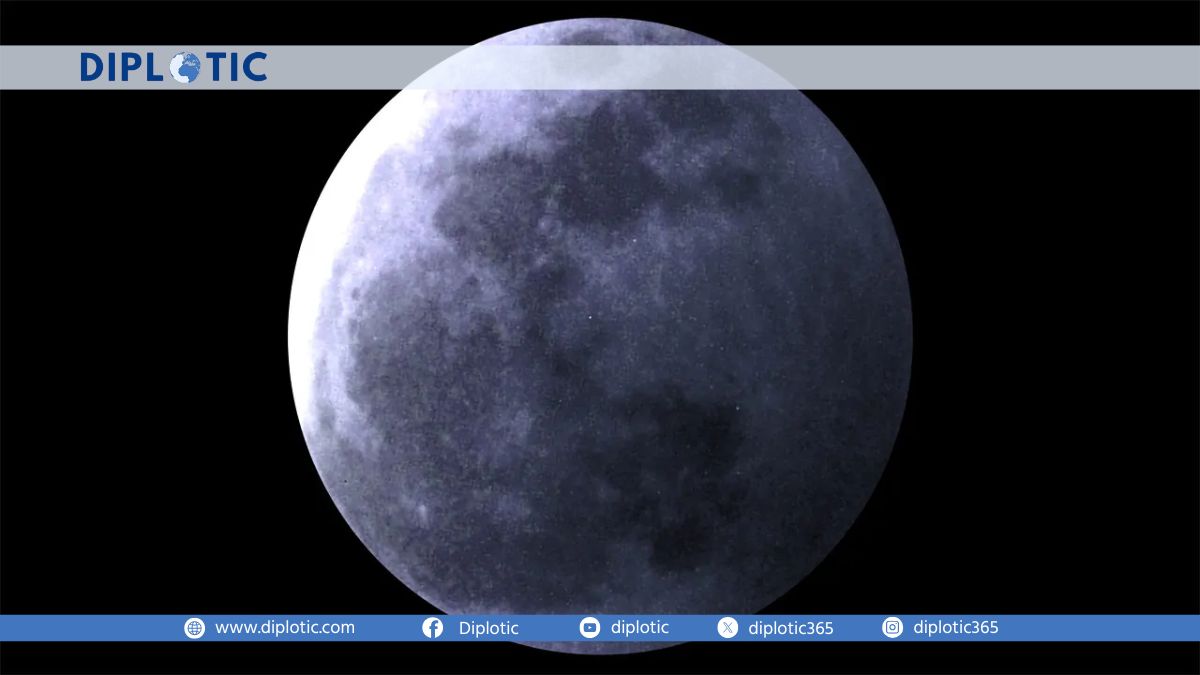
Searches for the “Blood Moon” and total lunar eclipse visibility spiked today, February 21, 2026, as people shared threads, images, and claims about whether the event would appear over India. Some posts insist the eclipse phases occur simultaneously everywhere on Earth, leading to widespread expectations that the full “Blood Moon” would be visible from Indian skies tonight. Others warn of missing it entirely, citing conflicting online information. This confusion matters because lunar eclipses are among the most accessible astronomical events—no special equipment needed, just a clear view of the Moon—yet misinformation can lead to disappointment or false excitement.
Lunar eclipses differ fundamentally from solar ones: they happen only during a full Moon when Earth passes between the Sun and Moon, casting a shadow. The entire event unfolds over hours and is visible from the night side of Earth at the time, not simultaneously worldwide. Claims that “everyone sees it at once” misunderstand the geometry. This investigation clarifies the actual eclipse schedule, visibility zones, and why many current posts about visibility in India are misleading or premature.
Claim 1: A total lunar eclipse (Blood Moon) is happening today, February 21, 2026, and is visible in India.
Evaluation: No total lunar eclipse occurs on February 21, 2026. The next total lunar eclipse is scheduled for March 3, 2026 (March 2–3 depending on time zone). Multiple astronomy sources, including NASA, Timeanddate.com, EclipseWise, and Indian outlets (Times of India, Drik Panchang), confirm this date. February 2026 features an annular solar eclipse on February 17 (not visible in India), but no lunar event today. Posts claiming a Blood Moon tonight likely confuse the upcoming March event or misdate recent searches.
Verdict: False. There is no lunar eclipse today; the next total one is on March 3, 2026.
Claim 2: The total lunar eclipse is visible across all of India tonight or in the coming days.
Evaluation: The March 3, 2026, total lunar eclipse will be partially visible in India, but only the final stages after moonrise. The eclipse begins in the afternoon IST (penumbral phase around 3:20–5:58 PM IST), with totality occurring from roughly 4:58 PM to 5:32 PM IST—before the Moon rises in most of India. Moonrise is around 6:26 PM IST, so observers see the Moon already emerging from totality or in the late partial/penumbral phase, lasting roughly 20–30 minutes depending on location. Eastern and northeastern India catch more of the waning partial phase; western regions see only penumbral shading or very brief glimpses. Full totality (the deep red “Blood Moon”) is not visible from India, as it occurs during daylight hours here.
Verdict: Misleading. Only the ending phases appear after moonrise on March 3; the full total phase and peak “Blood Moon” redness are not visible in India.
Claim 3: Eclipse phases are visible everywhere on Earth at the same time, so India will see the full Blood Moon if the eclipse is happening.
Evaluation: This is a common misconception. Lunar eclipses are visible from roughly half the planet—the night side facing the Moon during the event. The March 3 eclipse is best seen from eastern Asia, Australia, the Pacific, North America, and parts of South America, where totality occurs during nighttime. In India, the Moon is below the horizon during the main phases due to Earth’s rotation and the eclipse timing. The eclipse does not unfold simultaneously for everyone; local moonrise/moonset determines what portion is observable. NASA visibility maps and Timeanddate.com confirm India sees only the tail end.
Verdict: False. Phases are not simultaneous worldwide; visibility depends on local nighttime alignment with the Moon.
Claim 4: Viral threads claiming full visibility in India are based on accurate astronomy sources.
Evaluation: Many posts recycle outdated or generalized eclipse calendars without checking local circumstances. Indian media reports correctly note partial visibility on March 3 (e.g., Times of India, Economic Times, Moneycontrol), specifying moonrise timing and limited phases. Threads that ignore this and promise a full “Blood Moon” tonight or universally visible totality often stem from excitement, poor time-zone handling, or reposts of global headlines without regional adjustment. The principle at stake is location-specific astronomy: global eclipse dates do not guarantee identical views everywhere.
Verdict: Misleading. Credible sources clarify partial/late visibility on March 3; viral overstatements ignore geography and timing.
Claim 5: Whether or not visible in full, the upcoming lunar eclipse highlights public interest in accessible astronomy events.
Evaluation: Lunar eclipses captivate because they require no telescope, occur over hours, and produce dramatic color changes from atmospheric scattering (the “Blood Moon” effect). The March 3 event draws attention due to its rarity and coincidence with Holi in some narratives. Public searches reflect genuine curiosity, but misinformation spreads faster than precise details. Accurate information—local timings, visibility maps—enhances enjoyment and reduces frustration.
Verdict: True. The event underscores widespread fascination with the sky, even when visibility is partial.
Conclusion: No Eclipse Today, and Only Partial Visibility in India Next Month
No total lunar eclipse occurs today, February 21, 2026. The next one arrives on March 3, 2026, producing a striking “Blood Moon” during totality—but only the final partial and penumbral phases will be visible in India after moonrise around 6:26 PM IST. The full red phase happens earlier, during daylight here, so the dramatic peak is not observable from the subcontinent.
Viral claims of immediate or full visibility stem from excitement over the upcoming event, combined with the misunderstanding that lunar eclipses appear uniformly worldwide. They do not: Earth’s shadow limits visibility to the night side, and local moon position determines the viewable portion. For those in India, March 3 offers a brief but worthwhile glimpse if skies are clear—best in eastern regions.
The broader lesson is simple: celestial events reward precise, location-aware information. Check trusted sources like Timeanddate.com, NASA eclipse pages, or local astronomy apps for accurate timings rather than generalized social-media alerts. When the Moon does rise eclipsed next month, the sight—however partial—remains a reminder of our place in a dynamic solar system.