

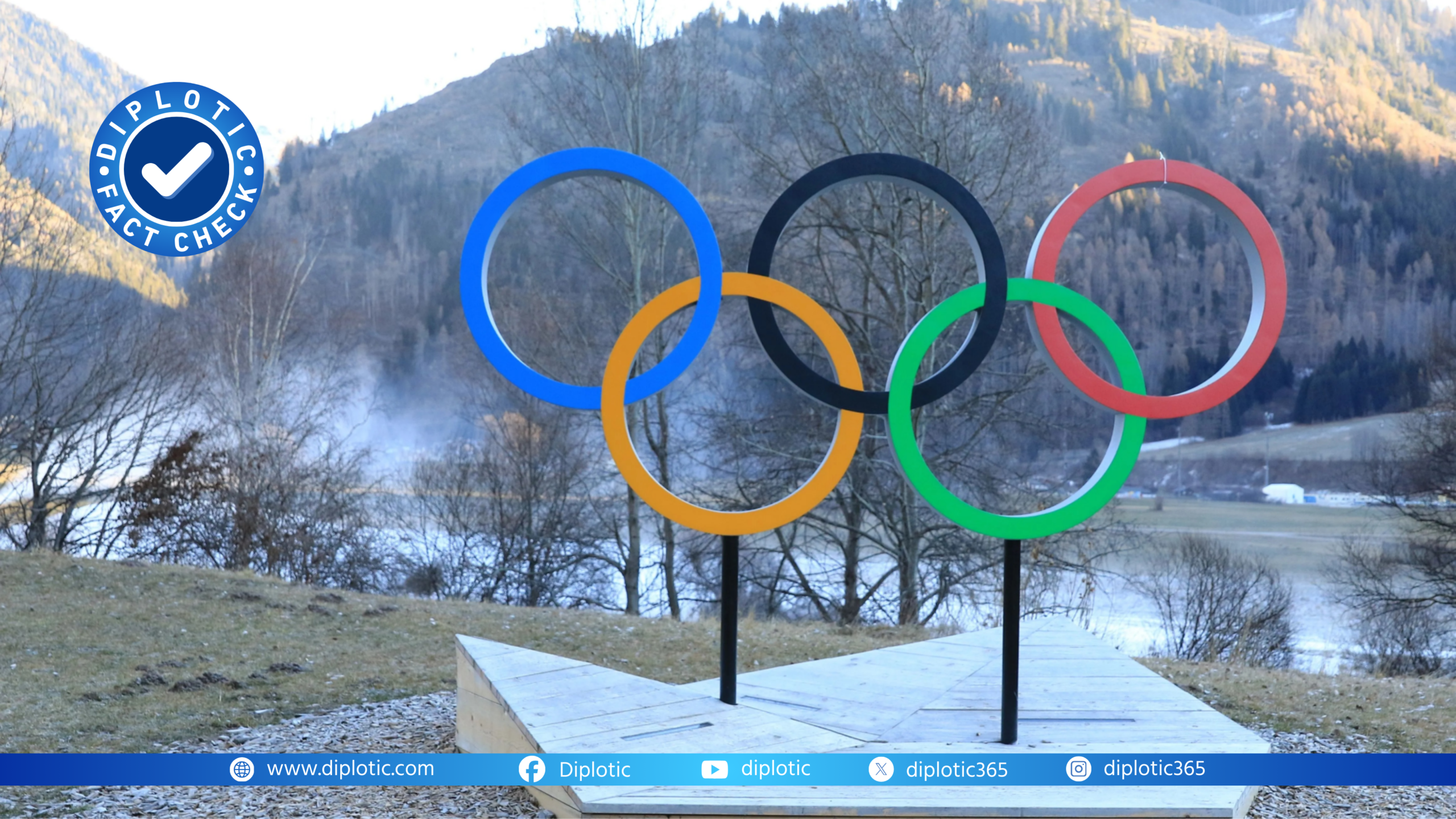
The Milano–Cortina 2026 Winter Olympics were supposed to showcase familiar stars in skiing, skating, and hockey. Instead, one of the quietest sports on the program—curling—stole much of the spotlight. Social media feeds filled with clips of stones sliding slowly across ice, players sweeping furiously, and crowds roaring over shots that moved by centimeters. Viewership numbers for curling sessions jumped sharply compared with previous Games, online searches for “how to play curling” spiked in countries with no winter tradition, and memes about the sport’s calm intensity spread across platforms. What began as a niche event turned into a global conversation, drawing in people who had never watched an Olympic curling match before. This unexpected rise raises questions about why a low-key, strategic game captured attention so suddenly. Was it the athletes’ stories, the sport’s unique pace, clever broadcasting, or something deeper about what audiences crave in a high-pressure world? As the Games continue, curling’s viral moment offers a window into how sports connect with new fans in unexpected ways.
What Made Curling Stand Out During the Games?
Curling matches unfold slowly. Players push 20-kilogram granite stones down a 45-meter sheet of ice toward a target called the house. Teammates sweep the ice to guide the stone’s path, adjusting its speed and direction. Each end resembles a chess move: teams take turns, strategy builds over 16 stones, and the scoreboard often shows tight scores. Unlike the speed of downhill skiing or the jumps of figure skating, curling rewards patience and precision.
At Milano–Cortina, broadcasters leaned into this pace. Close-up shots captured the intense focus of sweepers, slow-motion replays showed stones curling at the last second, and microphones picked up quiet conversations between skips and their teams. Commentators explained rules clearly and highlighted personalities—such as the Canadian skip who joked with opponents mid-match or the young Italian player competing in her first Olympics. These small human moments drew viewers in. Social media clips went viral: a perfect draw to the button, a dramatic last-shot raise, or a team celebrating a single point like it was gold. The clips were short, easy to share, and showed tension without needing constant action.
The sport’s calm contrasted with the high-drama events around it. While alpine races ended in seconds and hockey games brought hard hits, curling offered a different rhythm. Many new viewers said they found it relaxing yet gripping, like watching a live puzzle unfold. This difference helped curling cut through the noise of the Games, especially for audiences scrolling during breaks or late at night.
Who Were the People and Stories That Drew New Fans?
Several athletes and moments fueled the surge. Canada’s skip, a veteran known for steady play and dry humor, became a fan favorite after a post-match interview where she explained strategy like a friendly teacher. Sweden’s young lead sweeper, barely out of her teens, earned praise for her relentless energy and bright smile during long matches. Italy’s mixed doubles pair, competing on home ice, carried extra pressure but showed warmth in every handshake and celebration. These stories spread online, often paired with clips of their best shots or quiet encouragement to teammates.
Fans outside traditional curling countries discovered the sport through these personalities. In places like Brazil, Nigeria, and Indonesia, social media users posted reaction videos to dramatic ends, shared guides to scoring, and started online pools for match outcomes. Parents reported children asking to try curling after watching. Local rinks in non-winter climates saw small upticks in inquiries, with some offering “learn to curl” sessions tied to Olympic highlights.
The sport’s accessibility helped too. Unlike skiing or bobsled, which require mountains or specialized tracks, curling needs only ice and stones. Several countries used the Games to promote community programs, showing how anyone can pick it up with basic instruction. This combination—relatable athletes, clear storytelling, and an approachable sport—turned casual viewers into enthusiasts.
How Did Broadcasting and Social Media Help Spread the Craze?
Broadcasters played a key role by treating curling as more than a niche sport. Multiple camera angles followed stones down the ice, graphics explained shot difficulty, and on-screen stats tracked sweep impact and stone speed. Interviews happened rink-side, capturing raw emotion right after big shots. These choices made the sport easier to follow for newcomers.
Social media amplified everything. Short clips—30 seconds of a perfect takeout or a skip’s intense stare—traveled fast. Hashtags like #CurlingFever and #SweepIt trended in multiple languages. Fans created memes comparing curling strategy to everyday decisions, while others shared “curling explained” threads that drew thousands of likes. Platforms hosted live watch parties, where people commented in real time and built communities around matches.
The timing worked in curling’s favor. Many viewers watched during downtime or in regions where other events aired at inconvenient hours. The sport’s quiet intensity suited mobile viewing—easy to follow without constant sound. This accessibility helped it reach audiences who might skip faster-paced competitions.
What Could This Viral Moment Mean for Curling and Winter Sports?
Curling’s surge at Milano–Cortina shows how sports can find new audiences when presented thoughtfully. The combination of relatable athletes, clear broadcasting, and social media sharing turned a slow game into a shared experience. New fans may bring growth—more rinks, youth programs, and local leagues in unexpected places.
For winter sports overall, the moment highlights the value of diversity. Not every event needs speed or danger to connect; strategy, teamwork, and human stories matter too. If curling sustains interest, it could encourage organizers to give similar attention to other quieter disciplines.
The broader lesson ties to how people seek connection in a fast world. Curling’s deliberate pace offered a break from constant stimulation, while its team spirit and sportsmanship felt refreshing. Whether this translates to long-term growth depends on follow-up—more accessible events, continued storytelling, and investment in the sport’s base.
Curling’s viral rise at the Milano–Cortina Games links a small sport to a large audience in a way few expected. From precise shots to shared cheers, it reminded viewers that competition can be calm, thoughtful, and deeply human. As the Games continue and the buzz settles, the question is whether this moment sparks lasting change or fades as another passing trend. For now, curling has shown that sometimes the quietest game can make the loudest noise, drawing people together one stone at a time.




