

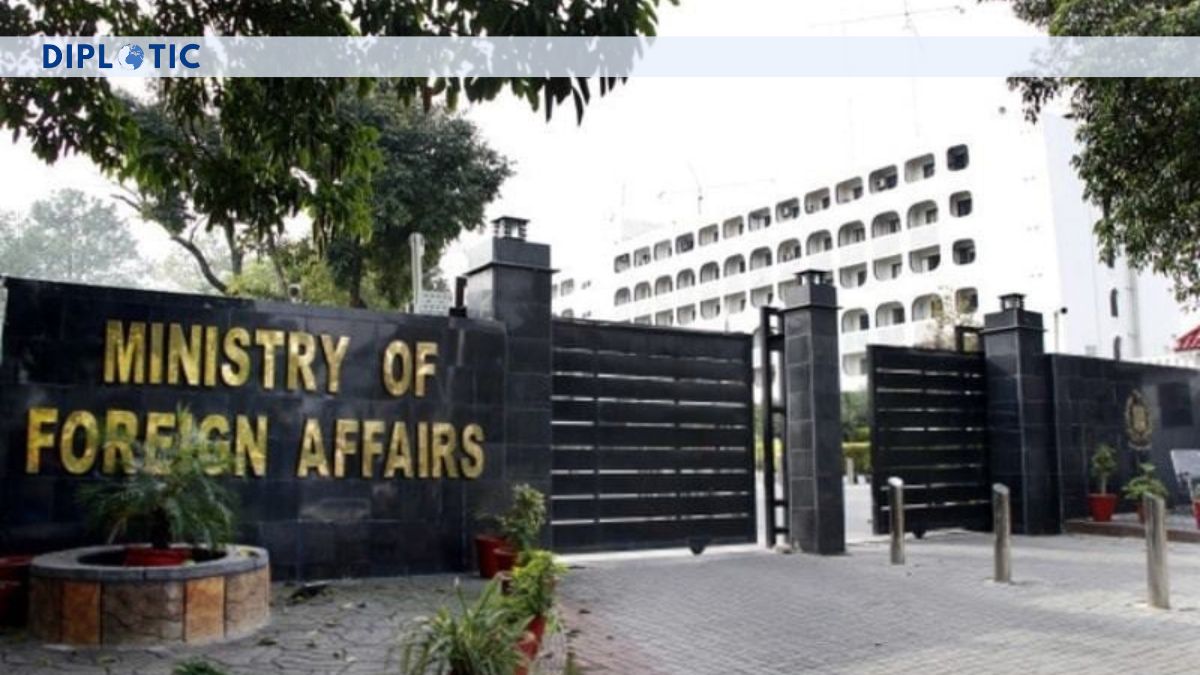
Pakistan delivers a firm demarche to Afghanistan after a deadly Bajaur terror attack kills 11 soldiers. Islamabad demands urgent action against TTP safe havens and warns all options remain open.
A Critical Diplomatic Flashpoint Emerges
Pakistan has taken a decisive diplomatic step by issuing a formal demarche to Afghanistan following a devastating terrorist attack in Bajaur district of Khyber Pakhtunkhwa. The attack, which martyred 11 Pakistani security personnel, has intensified tensions between the two neighboring countries and renewed concerns about cross-border militancy.
The demarche, delivered by Pakistan’s Foreign Office, reflects Islamabad’s growing frustration over what it describes as the continued use of Afghan territory by the banned militant group Tehrik-i-Taliban Pakistan (TTP). Pakistani officials have demanded immediate and verifiable action from Afghanistan to dismantle terrorist networks operating within its borders.
This diplomatic move marks a significant moment in Pakistan’s ongoing effort to safeguard its national security while attempting to resolve tensions through official channels rather than immediate military escalation.
The Bajaur Attack: A Devastating Blow
The terror attack in Bajaur was both deadly and carefully planned. According to Pakistan’s military, the assault began with a vehicle-borne suicide bombing targeting a security checkpoint. This was followed by a coordinated armed raid by militants attempting to exploit the chaos created by the explosion.
The attack resulted in the martyrdom of 11 Pakistani soldiers, a tragic loss that has shocked the nation and highlighted the persistent threat posed by militant groups. Pakistani forces responded swiftly, engaging the attackers and eliminating 12 terrorists during the operation.
The attack not only caused human loss but also reinforced Pakistan’s concerns about militant safe havens across the border in Afghanistan.
Pakistan’s Firm Diplomatic Response
In response to the attack, Pakistan summoned the Afghan deputy head of mission to deliver a strong demarche. The diplomatic communication made it clear that Pakistan holds Afghanistan responsible for failing to prevent militant groups from operating on its soil.
The Foreign Office emphasized that the TTP’s leadership is based in Afghanistan and continues to operate freely. Pakistan expressed deep concern that despite repeated assurances from the Afghan authorities, there has been no visible or concrete action against terrorist groups.
Pakistan demanded that Afghanistan take immediate, concrete, and verifiable steps to dismantle terrorist networks and prevent further attacks.
This formal diplomatic protest sends a powerful message that Pakistan expects accountability and cooperation from Afghanistan in addressing shared security challenges.
Afghanistan’s Responsibility Under International Expectations
Afghanistan, currently governed by the Afghan Taliban, has repeatedly denied providing safe haven to militant groups. However, Pakistan and several international observers remain unconvinced.
Pakistan has stressed that under international norms, every country has a responsibility to ensure that its territory is not used for attacks against other nations. Failure to meet this responsibility undermines regional stability and threatens peace.
Islamabad has made it clear that while it prefers diplomatic engagement, it cannot ignore threats to its sovereignty and the safety of its citizens.
Pakistan Reserves the Right to Defend Itself
In its official statement, Pakistan categorically asserted its right to respond to terrorist threats wherever they originate. This warning reflects Islamabad’s determination to protect its territorial integrity and prevent further attacks.
Pakistan’s position is based on the principle of self-defense, which is recognized under international law. Officials have emphasized that protecting soldiers, civilians, and national borders is a fundamental duty of the state.
This firm stance demonstrates Pakistan’s readiness to take all necessary measures while still pursuing diplomatic solutions.
Leadership Condemns the Attack and Honors the Fallen
Pakistan’s national leadership strongly condemned the Bajaur attack. President Asif Ali Zardari expressed deep sorrow and extended condolences to the families of the martyred soldiers.
Prime Minister Shehbaz Sharif also condemned the attack in the strongest terms, reaffirming the government’s commitment to eliminating terrorism.
Their statements reflect national unity and determination in confronting security threats while honoring the sacrifices made by Pakistan’s armed forces.
Defence Minister Signals Tougher Measures
Pakistan’s Defence Minister Khawaja Asif has also delivered a strong warning. He stated that Pakistan would not hesitate to conduct air operations if necessary to eliminate terrorist threats.
Speaking during an international visit, the minister described the current security crisis as a consequence of past regional conflicts, including events dating back to the 1980s and the global war on terror following the September 11 attacks.
He emphasized that Pakistan would continue to prioritize national security and protect its citizens from militant violence.
A Pattern of Rising Diplomatic Tensions
This latest demarche is not an isolated incident. Pakistan has previously raised similar concerns with Afghanistan, including after a deadly attack on a military camp in North Waziristan.
Repeated diplomatic protests indicate a pattern of unresolved tensions. Pakistan has consistently urged Afghanistan to fulfill its commitments to prevent cross-border terrorism.
These developments highlight the urgent need for effective cooperation between the two countries.
The Strategic Importance of Diplomatic Engagement
Despite the severity of the situation, diplomatic engagement remains Pakistan’s preferred approach. Demarches serve as formal diplomatic tools to communicate concerns and demand corrective action.
By issuing a demarche, Pakistan has demonstrated its commitment to resolving disputes through official channels while maintaining its right to self-defense.
Diplomatic engagement offers an opportunity to reduce tensions, promote accountability, and prevent further escalation.
Regional Stability at a Critical Crossroads
The security situation between Pakistan and Afghanistan has significant implications for regional stability. Both countries share a long and sensitive border, making cooperation essential for peace.
Unchecked militancy threatens not only Pakistan but also broader regional security. Addressing these challenges requires mutual trust, accountability, and coordinated action.
Failure to act decisively could lead to further instability and undermine efforts to promote economic cooperation and development in the region.
Urgent Action and Strategic Balance
Pakistan’s demarche represents a firm but measured response to a serious security threat. It sends a clear signal that Islamabad expects concrete action from Afghanistan to dismantle terrorist networks.
At the same time, Pakistan continues to emphasize diplomacy as the primary tool for resolving disputes. Diplomatic engagement, combined with firm security measures, offers the best path toward lasting peace.
The Bajaur attack serves as a powerful reminder of the urgent need for effective cooperation between Pakistan and Afghanistan. Both countries face a shared challenge, and their ability to work together will determine the future of regional stability.
Pakistan’s message is clear: terrorism cannot be tolerated, and decisive action is essential. Through strategic diplomacy and unwavering resolve, Pakistan seeks to protect its citizens and promote a safer, more stable region.




