

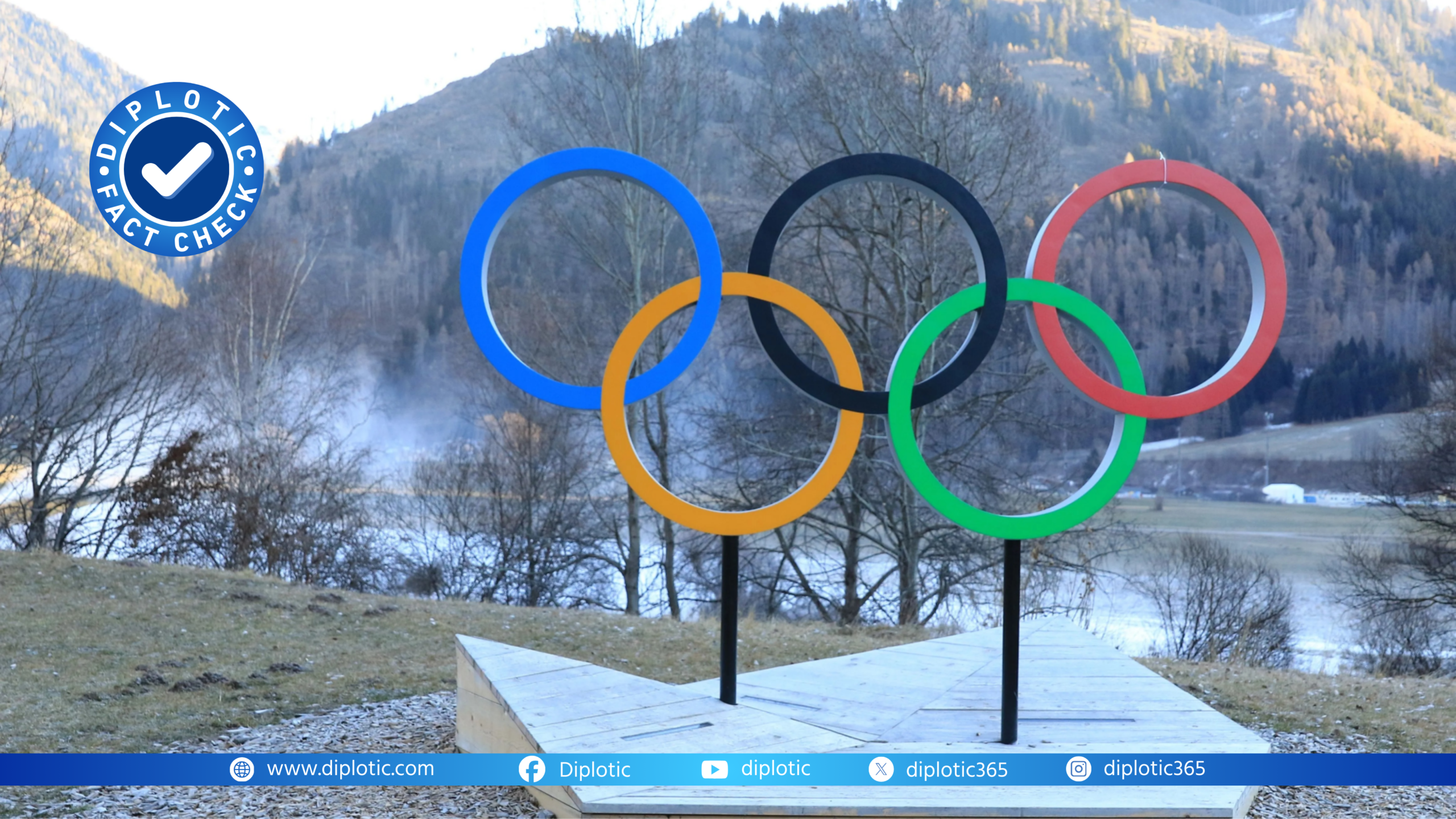
The Milano Cortina 2026 Winter Olympics, held across northern Italy from February 6 onward, have generated widespread excitement with strong performances, packed venues, and notable achievements for several nations. Social feeds and media posts frequently describe the Games as the “most successful in history,” citing record viewership, high attendance, and electric atmospheres. Organizers and broadcasters highlight milestones like packed stands, surging streaming minutes, and elevated TV audiences compared to recent Winter editions. This narrative matters because the Olympics’ perceived success influences future host bids, sponsorship value, and public support for the movement. In an era of fragmented media and post-pandemic recovery, accurate assessment separates genuine revival from selective hype.
Historically, Winter Olympics success has been measured by medal tallies, on-site attendance, global broadcast reach, and engagement metrics. Recent Games faced challenges: Beijing 2022 had low in-person crowds due to COVID restrictions, while PyeongChang 2018 and Sochi 2014 set higher benchmarks in certain areas. Milano Cortina benefits from accessible European venues, strong host-nation interest, and a post-Super Bowl U.S. lead-in, but claims of unmatched historical success require scrutiny against comparable data.
This investigation evaluates major viral assertions against official IOC statements, broadcaster reports (NBCUniversal, EBU), and attendance figures to distinguish substantiated gains from exaggeration.
Claim 1: The 2026 Winter Olympics have achieved the highest viewership and streaming numbers in history.
Evaluation: U.S. coverage via NBCUniversal shows strong growth: averaging 25.7–26.5 million viewers across platforms through early days, nearly double Beijing 2022’s comparable figure (12.8–13.7 million) and the best Winter start since Sochi 2014. Streaming on Peacock has already surpassed the combined total minutes of 2018 and 2022 (6.3 billion minutes midway, versus 6.1 billion combined for those Games). The post-Super Bowl primetime slot drew 42 million, the strongest Winter presentation in over a decade. European broadcasters (e.g., RAI peaks at 4.9 million for events) and global metrics also report increases. However, these figures reflect U.S.-centric boosts from combined live/primetime windows and streaming growth, not necessarily the highest overall global audience in Winter history—Sochi 2014 and Vancouver 2010 remain benchmarks in some total reach categories. No IOC data crowns 2026 as the absolute most-watched Winter Games ever.
Verdict: Misleading. Viewership and streaming show impressive gains over recent Winter Games (especially 2022), but claims of the absolute historical high overstate the case without full global comparisons.
Claim 2: On-site attendance and ticket sales set records, proving unmatched public interest.
Evaluation: Organizers report 1.27 million tickets sold midway, with over 500,000 spectators attending competitions and packed venues across Milan and Cortina. Fan Villages drew more than 250,000 visitors, and additional crowds attended cauldron shows. Pre-Games estimates projected around 2 million total attendees. These numbers indicate robust local and regional turnout, especially for a multi-venue European host. However, no official claim positions this as the all-time attendance record for Winter Olympics—historical highs (e.g., Vancouver 2010 or Nagano 1998) involved different venue capacities and contexts. Beijing 2022 had severely restricted crowds, making 2026’s figures appear exceptional by contrast rather than absolute.
Verdict: Mostly True as context, but overstated. Attendance is strong and venues are packed, marking a clear rebound from recent lows, yet not verifiably the highest in Winter Olympic history.
Claim 3: The Games are the “most successful in history” based on overall metrics like medals, engagement, and atmosphere.
Evaluation: Success narratives often tie to host-nation performance (Italy’s record medal haul), athlete milestones (e.g., Norway’s dominance, individual records), and engagement (7.9 billion social media interactions, high approval for the Opening Ceremony—90% overall, 70% calling it the most memorable Winter ceremony). These reflect a vibrant, competitive edition with Italian spirit and record-breaking moments. Yet “most successful” lacks a universal metric—medal tables favor Norway historically, while past Games like Lillehammer 1994 or Salt Lake City 2002 are remembered for legacy impact. Viral posts amplify positive snapshots without holistic comparison.
Verdict: Exaggerated. The Games show clear successes in engagement and host performance, but broad “most successful ever” claims rely on selective highlights rather than comprehensive historical dominance.
Claim 4: Viral social feeds accurately reflect unprecedented global interest and participation.
Evaluation: Social buzz (nearly 600,000 posts early on) and broadcaster enthusiasm drive the revival story, with metrics like streaming surges and packed stands supporting heightened interest. The event benefits from timing (post-Super Bowl U.S. exposure), accessible venues, and strong European/North American appeal. However, global reach remains fragmented—some regions show solid but not record audiences, and Winter Games historically trail Summer editions in scale. Hype often stems from real-time positives amplified online, creating a perception of unmatched success.
Verdict: True in highlighting genuine revival. Interest is elevated compared to recent Winter Games, but viral framing risks overstating it as universally unprecedented.
Claim 5: Regardless of exact rankings, the strong metrics signal a lasting turnaround for the Winter Olympics’ relevance.
Evaluation: After Beijing’s restrictions and declining trends in some markets, Milano Cortina’s numbers—doubled U.S. viewership, record streaming, packed venues—demonstrate recovery and renewed appeal. This aligns with the IOC’s push for sustainable, multi-city hosting and youth engagement. The principle at stake is momentum: positive data can sustain bidding interest and sponsorships, even if not every metric sets an all-time high.
Verdict: True. The figures point to meaningful progress and renewed vitality for the Winter Games.
Conclusion: A Strong Revival, Not an All-Time Peak
The Milano Cortina 2026 Winter Olympics have delivered impressive results: doubled U.S. viewership averages, record streaming minutes surpassing recent predecessors combined, 1.27 million tickets sold with packed venues, and high engagement across platforms. These mark a clear rebound from Beijing 2022’s constrained edition and position the Games as the most-watched Winter Olympics since Sochi 2014 in key markets.
Viral claims of the “most successful in history,” however, often overreach by conflating strong comparative gains with absolute historical supremacy. No overarching data crowns 2026 as the definitive peak across all eras—earlier Games hold records in certain attendance or global reach categories. The real story is revival: accessible hosting, compelling competition, and effective broadcasting have restored momentum after recent challenges.
For the Olympic movement, this edition reinforces the value of thoughtful venue planning and digital innovation. Success here lies less in superlative labels and more in sustained interest that carries forward. The numbers speak positively—enough to celebrate without needing to rewrite the record books entirely.




