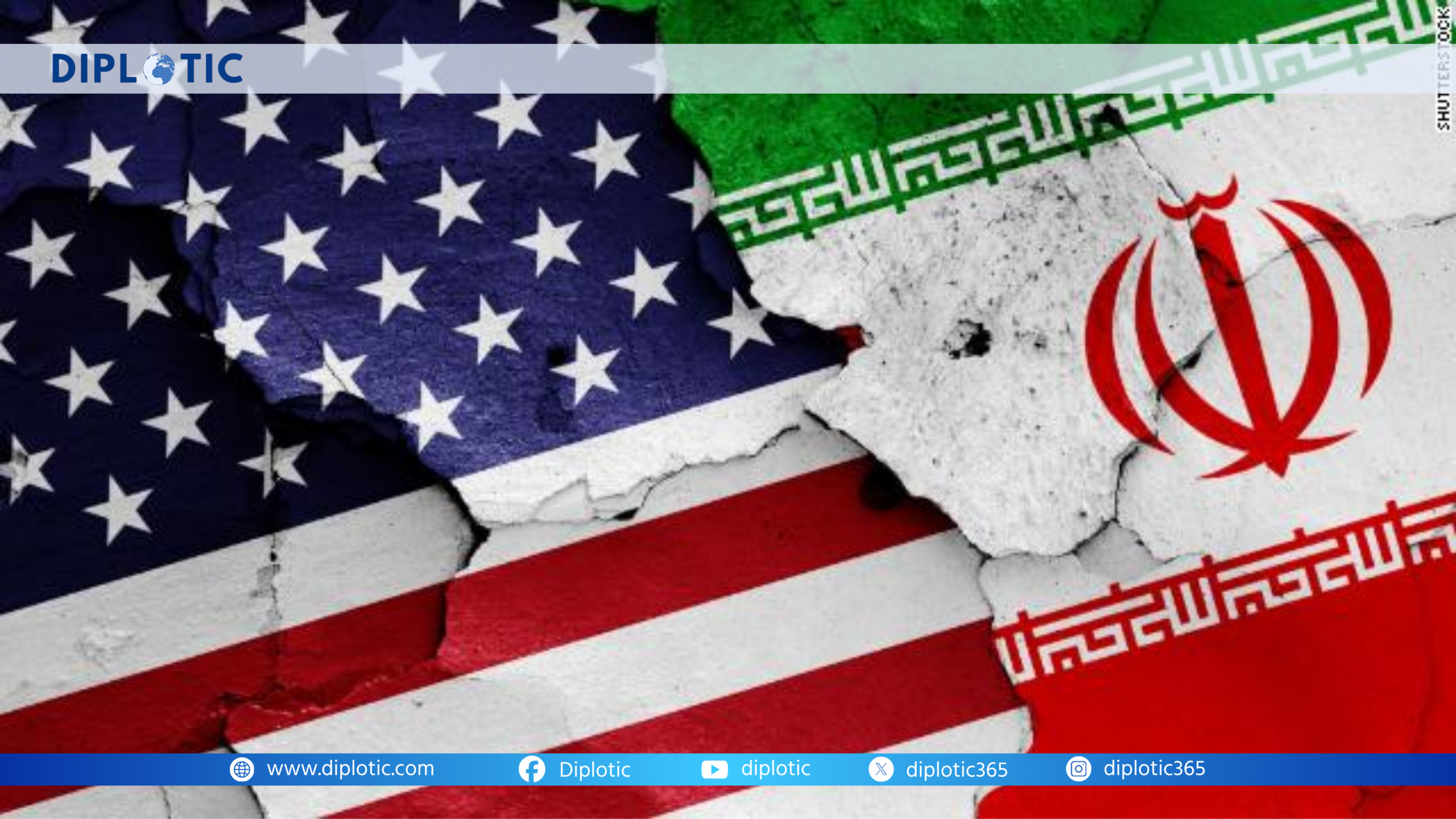
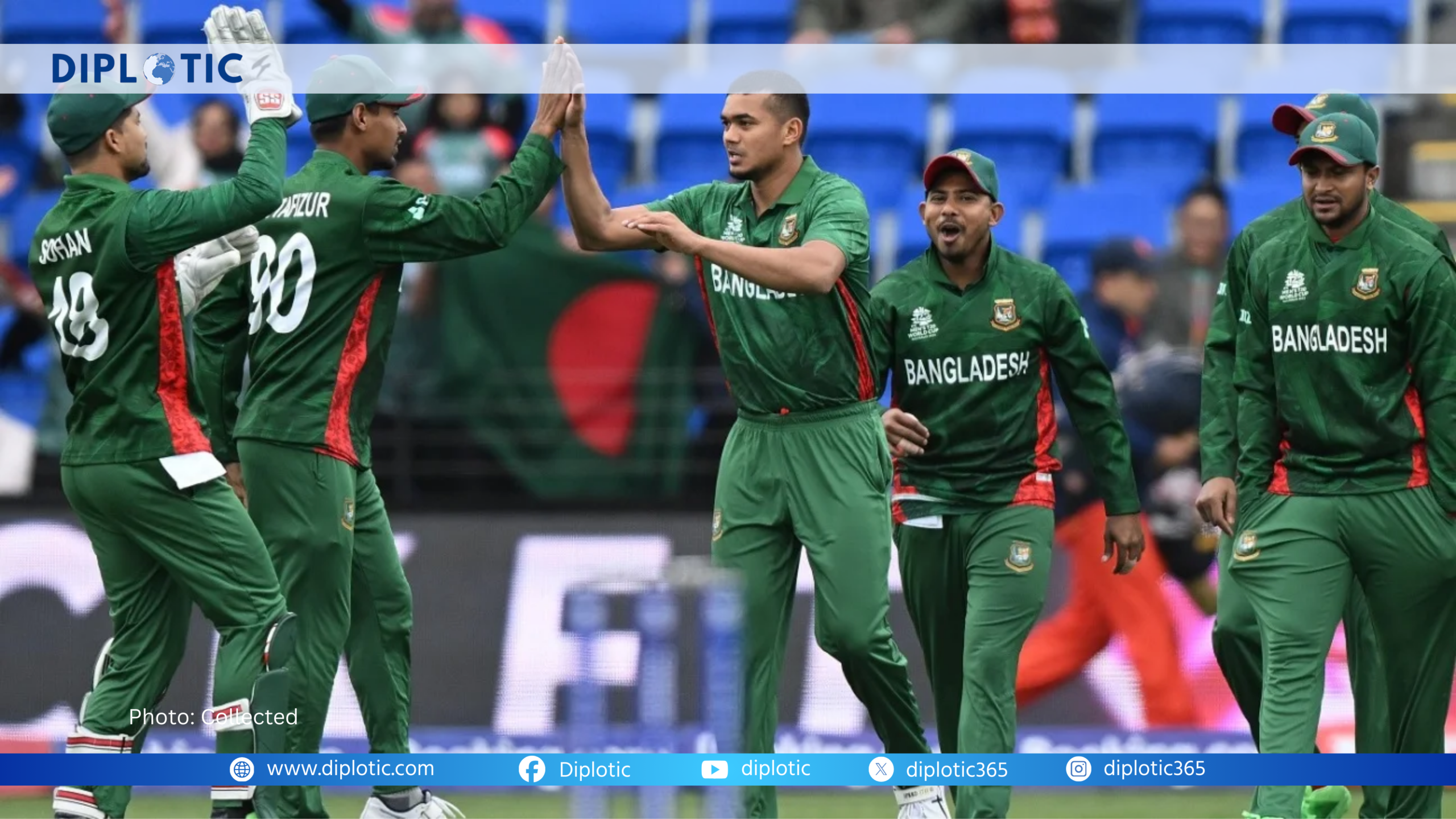
The stage was set for a celebration of global sport. The ICC Men’s T20 World Cup, co-hosted by India and Sri Lanka, promised a festival of cricket from February to March 2026. Yet, before a single ball is bowled, the tournament finds itself in an unprecedented crisis, ensnared by the deep-seated political hostilities of South Asia. At the heart of the storm is the potential boycott by Pakistan of its marquee match against India, a move made in solidarity with Bangladesh, which has already withdrawn from the competition. This chain of events threatens to rob the World Cup of its most electric rivalry and exposes the fragile line between international sport and geopolitical maneuvering. The dispute, stemming from security concerns, retaliatory actions, and accusations of institutional bias, raises a difficult question: can the spirit of cricket survive when nationalistic pressures overwhelm the playing field?
How Did a Cricket Tournament Become a Political Battlefield?
The crisis has layered origins, beginning with events far from the cricket pitch. In early 2026, the Kolkata Knight Riders, a team in the lucrative Indian Premier League (IPL), was instructed by the Board of Control for Cricket in India (BCCI) to drop its sole Bangladeshi player, pacer Mustafizur Rahman. This was widely seen as political retaliation by India’s ruling establishment for reported assaults on Hindus in Bangladesh, a cause that had sparked protests in India. Bangladesh, angered by this perceived targeting, escalated by declaring a “genuine security risk” for its players in India and demanded the International Cricket Council (ICC) move its World Cup matches to Sri Lanka. The ICC, asserting no credible threat existed, refused. This led to Bangladesh’s full withdrawal, replaced by Scotland. Pakistan, seeking to mend historically strained ties with Bangladesh and counter Indian influence in the region, then announced it would boycott its February 15 match against India in Colombo as an act of solidarity. What began as a bilateral grievance has thus exploded into a multinational standoff, pulling the sport’s global governing body into a tense diplomatic dispute.
Why Is the ICC’s Role and India’s Influence So Central to the Conflict?
The ICC’s decision to reject Bangladesh’s request has ignited fierce debate about its independence and the overwhelming influence of Indian cricket. India is estimated to generate nearly 80 percent of the game’s global revenue, giving the BCCI colossal financial clout. This economic power often translates into significant sway over ICC decisions, leading critics to label the council a “wholly owned subsidiary of the BCCI.” The perception of bias is compounded by the presence of Indians in key ICC leadership roles, including the chairman. Observers, like veteran cricket writer Pradeep Magazine, argue the ICC could have shown more sensitivity and allowed Bangladesh to play in Sri Lanka, a precedent set for India-Pakistan matches. By taking a hardline stance, the ICC is seen by many as prioritizing Indian interests, thereby politicizing its own neutral mandate. This has handed Pakistan a powerful symbolic platform. Its threatened boycott is not just support for Bangladesh but a direct challenge to what it views as India’s undue domination of the global cricket apparatus, turning a sporting fixture into a high-stakes protest against the game’s power structures.
What Are the Stakes for Pakistan and the Broader Region?
Pakistan’s potential boycott carries severe consequences. The ICC has threatened sanctions, which could mean multimillion-dollar fines, the forfeiture of match revenue, or even a temporary suspension from international cricket. This is a monumental risk for the country’s cricketing future. However, analysts like Professor Moonis Ahmar see a calculated geopolitical opportunity. By standing with Bangladesh, Pakistan aims to strengthen diplomatic bridges with Dhaka, relations that were cold under the previously India-aligned government of Sheikh Hasina. It is a chance to recalibrate regional alliances and present itself as a reliable partner against a common perception of Indian hegemony. Within both India and Pakistan, the move fuels nationalist narratives. Hardliners in India may see it as further proof of Pakistan’s unreliability, while in Pakistan, it is celebrated by some as a “checkmate move” against a “toothless ICC.” The tragedy, as Magazine notes, is that despite the political venom, fans on both sides deeply yearn for the contest. The potential loss of this iconic sporting clash represents a cultural void, sacrificing a rare shared passion at the altar of political point-scoring.
Can the Game Be Saved, and What Does This Mean for International Sport?
Behind the scenes, frantic backchannel negotiations are reportedly underway to find a resolution before the February 15 deadline. The ICC faces a dilemma: enforce strict penalties and risk a deeper fracture, or seek a face-saving compromise that preserves the tournament’s integrity. This crisis is a stark lesson for global sports governing bodies. It demonstrates how events in one nation can trigger a domino effect, destabilizing an entire world championship when historical grievances and contemporary politics are in play. The episode suggests that neutrality requires not just adjudicating security reports, but also navigating the profound political emotions of member nations with proactive diplomacy. Whether the India-Pakistan match proceeds or not, the damage to the tournament’s spirit is already evident. The World Cup has become a proxy arena for regional tensions, exposing the limits of sport as a unifying force when geopolitical pressures reach a boiling point. The final outcome will set a powerful precedent for whether cricket’s future will be written by its administrators and players on the field, or by politicians and diplomats off it.