

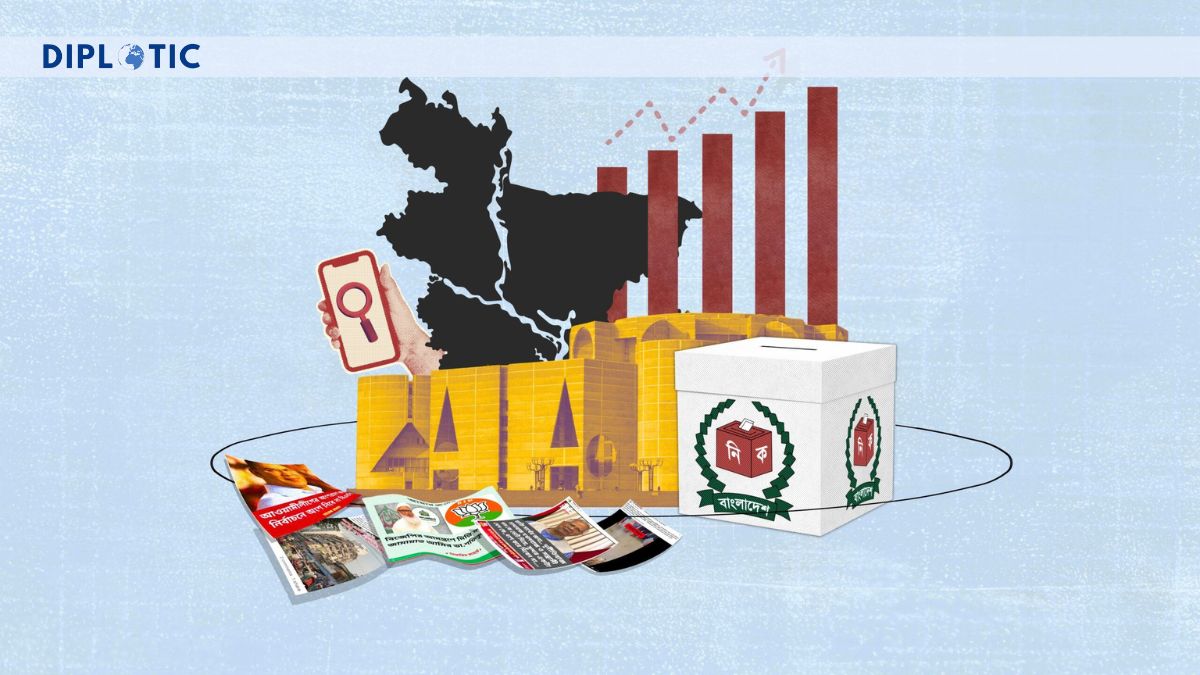
Misinformation in Bangladesh increased by 30 percent in 2025, driven by political instability, election narratives, and the growing use of AI-generated videos and images, according to fact-checkers.
A Year When Falsehoods Outpaced Facts
Misinformation in Bangladesh escalated sharply in 2025, marking one of the most troubling years for the country’s digital information ecosystem. Fact-checkers recorded a 30 percent rise in false and misleading content compared to 2024, reflecting not only a growth in volume but a dramatic shift in how disinformation is produced and circulated.
According to the annual review by fact-checking organisation Dismislab, misinformation became more visual, more political, and significantly more technologically advanced. By analysing more than 4,000 fact-check reports published throughout 2025, the organisation identified a pattern that points to a rapidly evolving threat one that increasingly blurs the line between reality and fabrication.
Politics Became the Primary Battleground
Throughout the year, political narratives dominated the misinformation landscape in Bangladesh. Nearly two-thirds of all fact-checks were related to politics, making it the most persistent and influential category of false information. Unlike previous years, political misinformation in 2025 appeared with remarkable consistency, peaking during moments of uncertainty and transition.
The intensity grew significantly in the final months of the year as the country moved closer to elections. While an average of around 200 political misinformation cases were verified each month, the number surged dramatically between September and December. In December alone, fact-checkers recorded more than 400 political misinformation items, the highest monthly figure of the year.
University student union elections played an early role in this surge, with false claims circulating about candidates, results, and political affiliations. As the year progressed, misinformation expanded to include fabricated narratives about parliamentary elections, voting procedures, party nominations, and alleged political alliances.
Familiar Faces, Recycled Narratives
At the center of this misinformation storm were Bangladesh’s most recognisable political figures. Sheikh Hasina, the ousted prime minister, emerged as the single most targeted individual in disinformation campaigns. Her name appeared in 274 fact-check headlines, often linked to old photographs, videos, or statements falsely presented as recent developments.
A recurring theme involved speculation and rumors about her return to power, frequently supported by recycled visuals or manipulated content designed to appear credible. These narratives gained traction on social media, where visual content spreads faster and is less likely to be questioned.
Dr Muhammad Yunus, Chief Adviser of the interim government, was the second most targeted figure. False claims consistently portrayed his administration as unstable or illegitimate. Repeated rumors alleged that he had resigned or was about to resign, sometimes accompanied by claims that the military had issued ultimatums assertions that were repeatedly debunked but continued to resurface.
Other political figures, both domestic and international, also became frequent subjects of misinformation, underscoring how global and local politics increasingly intersect in Bangladesh’s digital discourse.
Artificial Intelligence Enters the Disinformation Arena
One of the most consequential developments of 2025 was the growing use of artificial intelligence in creating misinformation. Dismislab found that 10 percent of all fact-checked misinformation cases involved AI-generated content, marking a significant shift in both scale and sophistication.
AI-generated images and videos were particularly effective in political manipulation. In December, for instance, multiple fabricated images circulated online claiming that BNP Chairman Tarique Rahman had returned to Bangladesh, showing him stepping off airplanes or standing at airport terminals with family members. None of these events had occurred, yet the images were convincing enough to mislead thousands.
Similarly, AI-generated videos falsely depicted Sheikh Hasina delivering speeches in foreign parliaments, while other images showed students holding placards or painting graffiti in support of her return. These fabrications highlighted how accessible AI tools have lowered the barrier to producing highly persuasive false content.
Video Emerges as the Most Powerful Vector
Video content proved to be the most dominant and influential format for spreading misinformation in 2025. More than half of all false information circulated in video form, ranging from outdated clips repurposed as current events to entirely AI-generated footage.
Graphic cards and photocards also played a significant role, particularly in spreading fabricated quotations attributed to political leaders, government officials, and law enforcement agencies. A striking majority of these visuals impersonated established media outlets, exploiting public trust in traditional journalism to enhance credibility.
This shift toward visual misinformation reflects a broader trend in digital consumption, where images and videos are often accepted at face value and shared rapidly, with little scrutiny.
Fear, Crime, and Communal Tensions
Beyond politics, misinformation in Bangladesh increasingly relied on fear-driven narratives. Fact-checkers identified a steady flow of false claims related to rape, murder, and violent crime, often exaggerating incidents or inventing events altogether. These stories contributed to heightened public anxiety and a perception of deteriorating law and order.
Religious misinformation also remained a persistent issue throughout the year. False claims about attacks on Hindu and other minority communities circulated widely, particularly during periods of political tension, raising concerns about the potential for misinformation to inflame communal divisions.
A Warning for Bangladesh’s Democratic Future
The 30 percent rise in misinformation in 2025 signals more than a temporary spike it reflects a structural challenge facing Bangladesh’s democracy. The convergence of political uncertainty, election-driven polarization, and AI-powered content creation has created an environment where false narratives can spread faster than facts.
As the country moves forward, the findings from 2025 underscore the urgent need for stronger media literacy, more transparent communication from institutions, and greater public awareness of how misinformation operates in the digital age.
The battle against misinformation in Bangladesh is no longer just about correcting false claims. It is about protecting public trust, safeguarding democratic processes, and ensuring that truth is not drowned out in an increasingly noisy digital world.




