

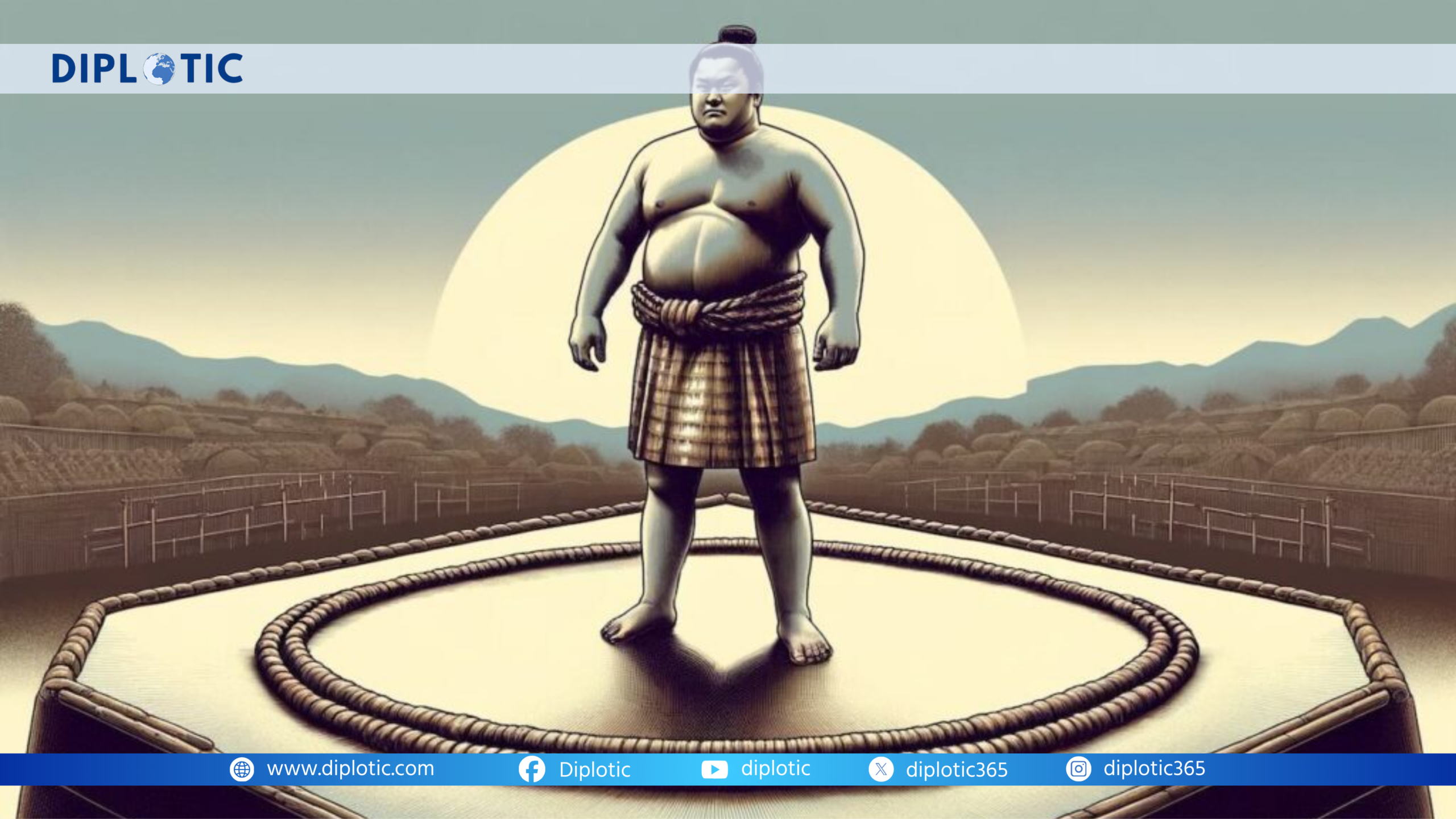
In Japan, sumo is far more than a sport. It is a living tradition, a display of ritual, strength, and national identity. In recent years, the hulking wrestlers have stepped beyond the dohyo—the sacred clay ring—to play a subtle role in Japan’s international diplomacy. Known informally as “sumo diplomacy,” these tours bring Japanese culture directly to global audiences, combining athletic performance with cultural education. After years of absence from foreign stages, sumo wrestlers are now returning to Europe, with a tour planned for Paris in June following a visit to London last year. The renewed focus reflects both Japan’s desire to showcase its heritage and the growing appeal of martial arts tourism worldwide.
Historically, sumo has long been linked to diplomacy. In 1854, American Commodore Matthew Perry, sent to open Japan after two centuries of isolation, witnessed performances by sumo wrestlers. Perry described the athletes as “more like bulls than humans,” calling the display “barbaric” from his perspective. Yet even in those early encounters, sumo served as a form of soft power, demonstrating Japan’s discipline, physical skill, and ritualized culture to foreign observers. Over the decades, similar tours continued across the United States, Europe, the Soviet Union, and China, aligning with Japan’s broader diplomatic goals. Notably, in 1973, Japanese wrestlers traveled to Beijing to celebrate the establishment of diplomatic relations between Japan and China, a gesture paralleling China’s own “panda diplomacy” of sending animals abroad as symbols of goodwill.
Despite its historical significance, overseas sumo tours became rare over the past two decades. Several factors contributed to this decline. Domestic scandals affected the sport’s image, leading the Japan Sumo Association (JSA) to focus on local audiences. The Covid-19 pandemic further restricted international travel. Additionally, foreign interest in sumo waned, with organizers reporting limited inquiries and engagement from other countries. The sumo association was cautious, ensuring that the sport’s presentation abroad remained respectful and faithful to tradition, rather than turning into entertainment detached from cultural roots. As Yasutoshi Nakadachi, former wrestler and organizer of the upcoming Paris trip, noted, “Sumo must always be considered a tradition. It’s not just a sport and it’s not entertainment.”
Today, the context is markedly different. Japan has seen record numbers of international tourists in 2025, many of whom express curiosity about traditional martial arts, including sumo. Tournaments in Japan now frequently sell out, reflecting renewed domestic interest as well. Promoters abroad, such as David Rothschild in Paris, report that even after years of initial outreach, interest and negotiations accelerated quickly once both parties aligned. The Paris trip follows earlier visits in 1986 and 1995, combining competitive displays with cultural exchange. Wrestlers often participate in ceremonies, interact with officials, and share insights about sumo’s rituals, from the careful preparation of the dohyo to the symbolic gestures performed before each match. For some athletes, these tours are also personal experiences, providing opportunities to explore the cities they visit while serving as cultural ambassadors.
Experts emphasize that sumo’s appeal abroad lies in its authenticity. Unlike generic entertainment or spectacle, sumo carries layers of history, ritual, and discipline that resonate with international audiences interested in Japan’s heritage. Kosuke Takata, associate professor at Waseda University, highlights that government agencies actively promote “martial arts tourism,” using sumo alongside kendo and karate to draw visitors and build cultural ties. By emphasizing tradition, maintaining strict codes of conduct, and respecting local protocols, the JSA ensures that each international tour strengthens Japan’s image without compromising the sport’s integrity. In this way, sumo functions as a soft power tool, connecting people, promoting understanding, and fostering goodwill—one ceremonial clash at a time.
In conclusion, sumo diplomacy illustrates how sport can serve as a conduit for culture and international relations. From early performances before foreign dignitaries to modern tours across Europe, sumo wrestlers carry both athletic prowess and cultural heritage, blending spectacle with tradition. As Japan seeks to engage global audiences and highlight its unique identity, these tours reinforce the country’s soft power in subtle but enduring ways. Beyond the dohyo, the wrestlers embody a narrative of discipline, history, and national pride, offering foreign spectators an experience that is both entertaining and deeply reflective of Japan’s enduring cultural legacy.




