

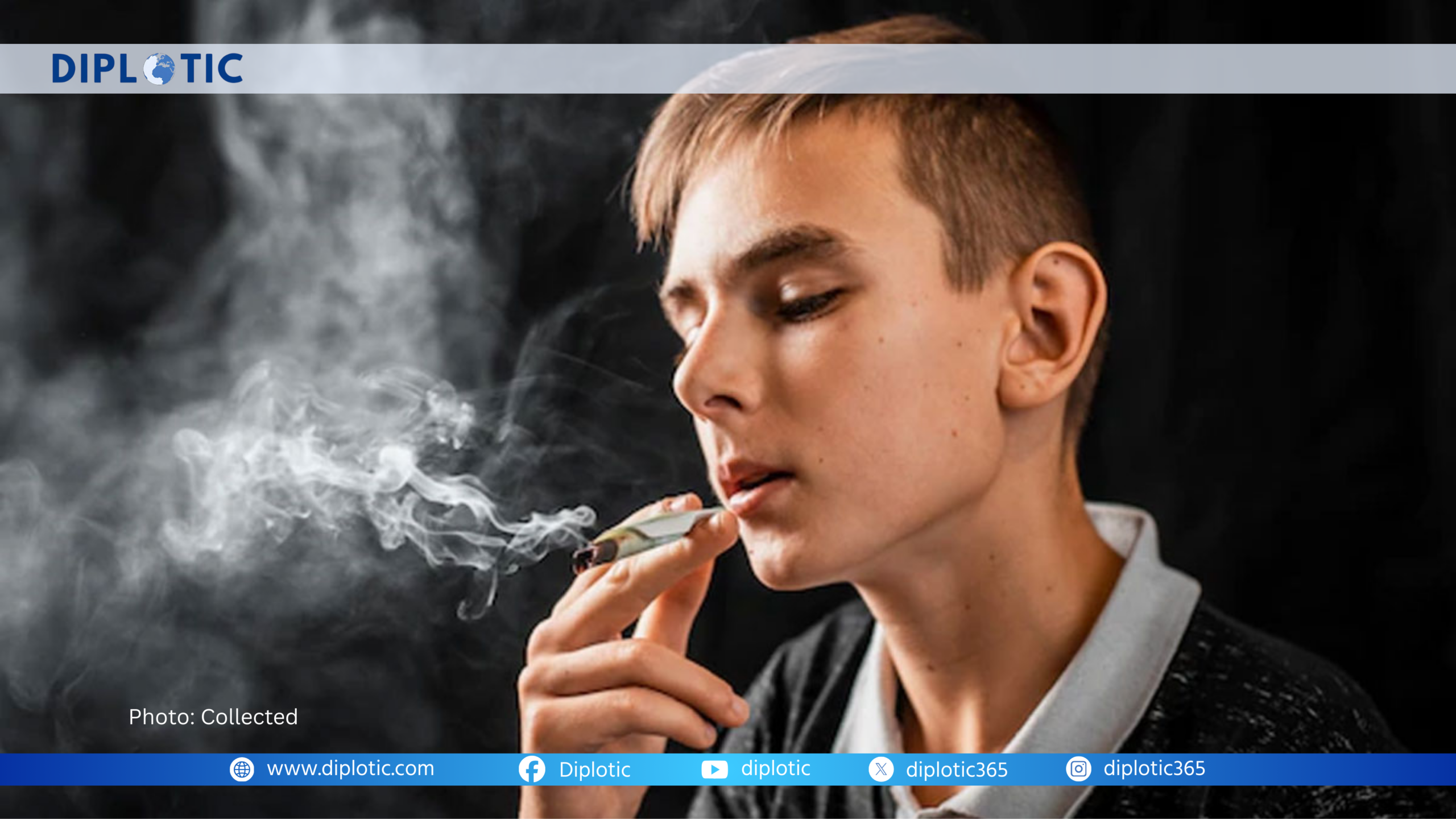
In the bustling corridors of South Korea‘s high schools, a quiet shift is taking place, one that has public health experts concerned. A long-term government study has revealed a troubling trend: smoking rates among adolescents do not simply creep up as they age; they spike dramatically as students transition from middle school to high school. Tracking the same group of over 5,000 students since they were in sixth grade in 2019, the data shows that by the 11th grade—ages 16 to 17—nearly one in ten have tried smoking. This figure represents a steep climb from just under 4 percent in ninth grade, indicating that the high school years are a critical period of risk. The study points a particular finger at the pervasive spread of electronic cigarettes, which are reshaping patterns of nicotine use, especially among young women. This is not just about a fleeting teenage rebellion. These early habits are powerful predictors of lifelong health, making this sudden increase a pressing issue for the nation’s future.
From Elementary School to High School: When Does the Curve Sharpen?
The study’s design is what makes its findings so compelling. By following the same children over seven years, researchers can see clear turning points. In elementary school, the rate was minuscule, at 0.35 percent. Through the three years of middle school, it grew to 3.93 percent. But in the first two years of high school, it surged to 9.59 percent, an increase of nearly three percentage points per year. This sharp acceleration suggests that the high school environment itself, or the social and developmental changes that accompany it, acts as a potent catalyst. The pressures of intense academic competition, a desire for social belonging, and increased independence may all play a role. Furthermore, the study found that other health indicators—like alcohol use, poor nutrition, and sedentary behavior—also worsened with age, painting a picture of a holistic decline in healthy habits during these formative years. This parallel decline hints that smoking may be part of a broader cluster of coping mechanisms or social behaviors that teens adopt as they navigate the complexities of adolescence.
The Vapor Trail: How Are E-Cigarettes Changing the Game?
A key driver behind these numbers, identified clearly in the data, is the rise of electronic cigarettes. They are not merely an alternative to traditional cigarettes; they are reshaping who uses nicotine. For female students, a significant shift has occurred: more now currently use liquid-based e-cigarettes (1.54%) than smoke conventional cigarettes (1.33%). This reversal is a major development. E-cigarettes, often marketed with sleek designs and sweet flavors, may be perceived as less harmful, more discreet, and more socially acceptable among young women. For boys, conventional cigarette use remains higher, but e-cigarettes still contribute substantially to the overall rate. The easy accessibility and the modern image of vaping, often divorced from the stigma of traditional smoking, lower the barrier to initiation. This technological shift in nicotine delivery has introduced a new vector for addiction, one that public health policies, still largely framed around combustible tobacco, are struggling to contain effectively.
Beyond the Individual: What in Their Environment Fuels the Trend?
The study goes beyond counting users to ask why they start. The environment around a teenager is shown to be decisive. Students with friends or family members who smoke, or who express permissive attitudes toward smoking, are significantly more likely to initiate the habit themselves. Earlier first exposure to these influences also leads to higher rates. This highlights a cycle of normalization. When smoking or vaping is a visible part of a teen’s social or family landscape, the behavior is demystified and can become a coded ritual of belonging or maturity. The high school setting, where peer groups solidify and parental oversight often loosens, becomes the perfect incubator for this social transmission. The findings suggest that anti-smoking education focused solely on individual health risks is insufficient. It must contend with the powerful social engines that make nicotine use seem like a viable, or even desirable, part of growing up.
What Can Be Done to Change the Trajectory?
The Korea Disease Control and Prevention Agency, which conducted the study, plans to follow these students for three more crucial years. This will provide invaluable data on how these adolescent habits solidify into adult lifestyles. The agency rightly notes that these results are “fundamental data for building policies.” Effective response requires coordinated action on multiple fronts. Regulations on the marketing, flavoring, and sale of e-cigarettes, especially those that appeal to minors, need constant review and enforcement. School-based programs must evolve to address the specific allure and risks of vaping, while also building broader resilience against peer pressure. Perhaps most challengingly, efforts must engage families and communities to change the social norms that permit youth smoking. It is a collective task to break the cycle where exposure leads to imitation. The steep curve on the graph between middle school and high school is more than a statistic; it is a signal of a vulnerable period where intervention could alter the health trajectory of a generation. The goal is not just to reduce a number, but to ensure that the path to adulthood is marked by clearer air, not by addictive vapor.




