

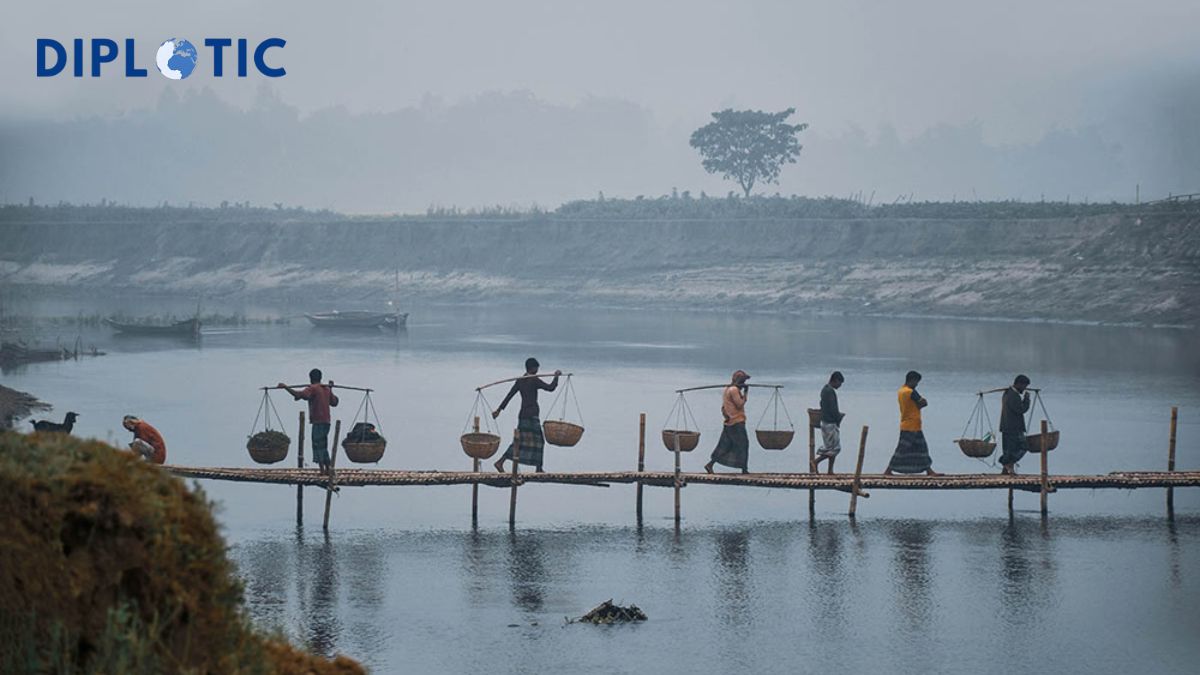
When winter descends upon Bangladesh, it does not simply cool the air; it rewrites the rhythm of the nation. Roads move slower, rivers breathe heavier fog, kitchens glow longer into the night, and human vulnerability becomes more visible than at any other time of year. In a country known for its heat, humidity, and monsoon rains, winter arrives like a quiet but commanding force, bringing both breathtaking beauty and piercing hardship.
Bangladesh’s coldest season, stretching roughly from December to February, is not just another climatic phase. It is a powerful chapter in the country’s annual story, one filled with contrast, emotion, and unforgettable scenes that define rural and urban life alike.
The Silver Blanket That Transforms the Land
Winter mornings in Bangladesh unfold beneath a mystical silver veil. Thick fog settles across villages, highways, riverbanks, and farmland, making the world appear as if it has been softly erased and redrawn. Sunrise struggles through the mist, producing a cinematic glow that photographers and travelers find irresistible.
In northern districts such as Rangpur, Nilphamari, Dinajpur, and Kurigram, temperatures can fall to single digits, a dramatic shift for a tropical nation. Dew clings to every leaf, bamboo fences glitter faintly, and the scent of cold earth fills the air. The countryside becomes stunningly poetic, yet this same fog also freezes livelihoods, delays transport, and silently threatens safety.
The Cold That Exposes Fragility
Behind winter’s enchanting face lies a much harsher truth. Thousands of low-income families do not have sufficient warm clothing, insulated homes, or access to healthcare. Thin walls, open roofs, and dirt floors become dangerous during freezing nights.
Cold-related illnesses spike dramatically. Pneumonia, respiratory infections, asthma complications, and hypothermia take their toll, especially among children and the elderly. For many, winter is not romantic it is a season of survival.
Charitable organizations and local communities attempt to distribute blankets and warm clothes, but the demand always exceeds supply. Each year, winter exposes the fragile realities of rural poverty more clearly than any other season.
A Season That Slows the Nation
Winter fog in Bangladesh can be so dense that visibility drops to only a few meters. Highway accidents increase, ferry services are delayed, flights are canceled, and entire schedules collapse.
Morning markets open late. Schools sometimes struggle to maintain attendance. Rivers become eerily silent as boats wait for fog to lift. The nation appears to hold its breath until sunlight burns through the mist. Winter, more than any other season, literally slows Bangladesh down.
The Harvest That Feeds the Country
Despite its dangers, winter is also the season that sustains Bangladesh’s food supply. It is the time of Boro rice, wheat, mustard, lentils, and the most diverse vegetable harvest of the year.
Fields overflow with cauliflower, cabbage, radish, carrot, spinach, beans, and tomatoes. Farmers rise before dawn to protect crops from frost, while markets glow with fresh produce that keeps food prices stable and households nourished.
For millions of farmers, winter is the most important agricultural window, a period that determines family income, food security, and community stability for the rest of the year.
A Culinary Season Rooted in Tradition
Winter in Bangladesh tastes different. Kitchens fill with steam and sweetness as date palm trees begin producing gur, the treasured molasses that defines winter cuisine. Pitha, the beloved rice cakes, appear in endless variations, connecting generations through recipes passed down over centuries.
Evenings are longer, meals are warmer, and tea stalls become gathering points for conversation and comfort. Food becomes emotional nourishment, turning cold nights into moments of connection and joy.
When Culture Gathers Around the Fire
Winter is wedding season. It is also the time of rural fairs, folk music performances, and village festivals. Communities gather around open fires, sharing stories, laughter, and local delicacies.
Unlike the chaotic rains of monsoon or the blistering heat of summer, winter offers calm. The air is quieter. People walk slower. Families stay closer. It is the season when Bangladesh feels deeply human.
A Refuge for Migratory Birds
Haors, wetlands, and river islands transform into international bird sanctuaries during winter. Thousands of migratory birds arrive from Siberia and Central Asia, filling the skies with movement and sound.
Their arrival enriches biodiversity, boosts eco-tourism, and adds another breathtaking layer to winter’s dramatic beauty.
The Season That Reveals the Soul of Bangladesh
Winter shows Bangladesh as it truly is resilient, vulnerable, warm-hearted, and deeply connected to land and tradition. It reveals both the poetry of nature and the reality of poverty. It brings harvest and hardship, festivals and fragility, silence and celebration.
Bangladesh’s coldest season is not merely cold; it is unforgettable. It is the most dramatic chapter in the country’s yearly story, shaping lives, memories, and the national soul in ways no other season can.
And that is why winter in Bangladesh is not just a season; it is an experience that defines a nation.




