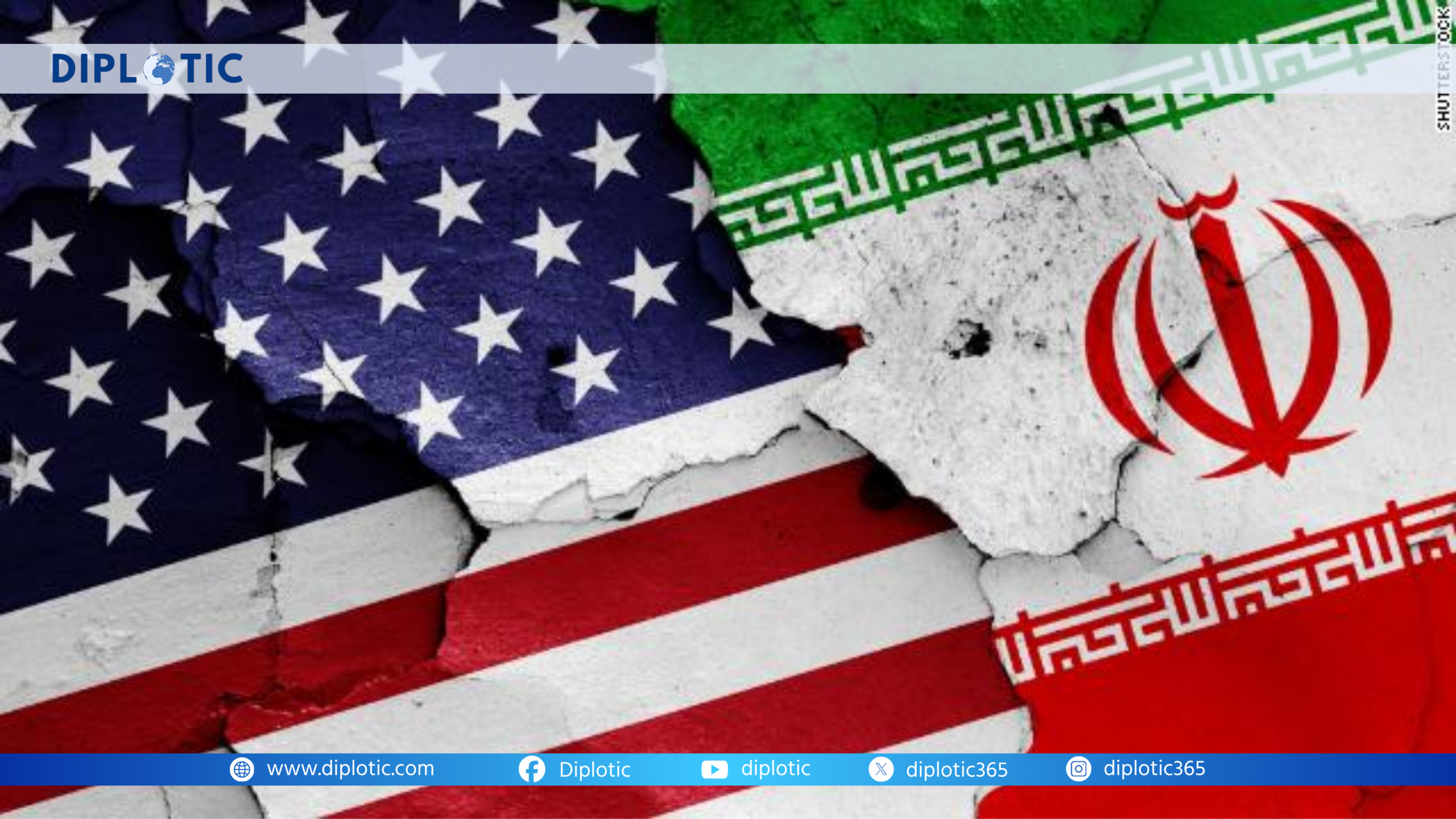
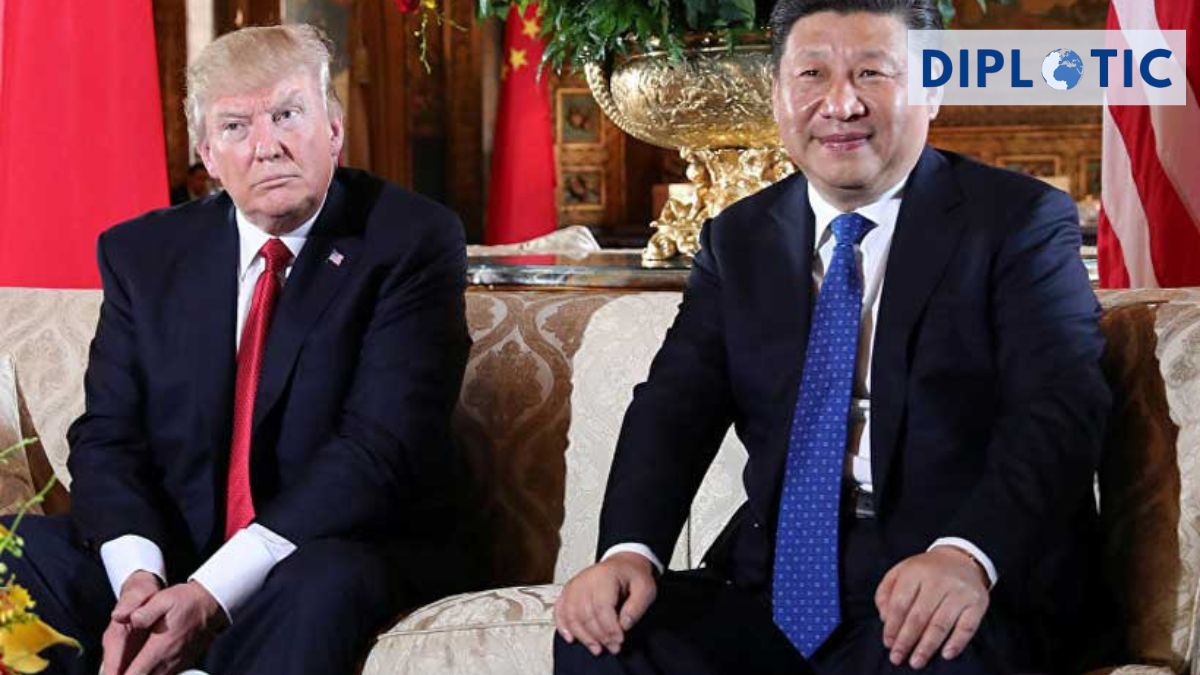
Exploring how Southeast Asia is navigating rising US-China rivalry, the region’s strategic dilemmas, economic pressures, and the shifting balance that will define Asia’s future.
A region pulled between two major powers
Southeast Asia has become one of the world’s most important battlegrounds for influence as tensions between the United States and China intensify. The region’s economies rely heavily on Chinese trade and investment, yet its security partnerships continue to connect it deeply with Washington. This dual dependence has created a complex strategic puzzle that every government in the area is now trying to solve.
The challenge grows sharper each year. China’s expanding presence in the South China Sea, its digital infrastructure projects, and its rising political influence have reshaped how Southeast Asian countries make decisions. At the same time, the United States has strengthened its footprint through military cooperation, supply chain initiatives, and renewed diplomatic engagement.
For nations like Vietnam, the Philippines, Indonesia, Malaysia, and Singapore, balancing between both giants is no longer a theoretical discussion. It affects trade routes, technology choices, defense planning, and the stability of maritime borders. When decisions carry both economic rewards and strategic risks, Southeast Asian governments must calculate every move carefully.
The region’s importance lies not only in its geography but also its role in global commerce. Key sea lanes pass through these waters, connecting Middle Eastern energy supplies and Asian manufacturing hubs with the rest of the world. Whoever shapes this region’s future will hold influence over a major portion of global trade. That reality makes the US-China rivalry even more consequential.
Economic lifelines tested by strategic rivalry
One of the clearest tensions in Southeast Asia is the economic gap between the two major powers. China has become the region’s largest trading partner, supplying raw materials, consumer goods, and technology while buying palm oil, rubber, electronics, minerals, and agricultural products. Many infrastructure projects across the region—rail lines, bridges, ports, and energy systems—are supported by Chinese loans or contractors.
The United States, meanwhile, remains a major investor and continues to dominate areas such as finance, manufacturing supply chains, and high-tech collaboration. American companies also represent essential markets for Southeast Asian exports, especially in electronics and services.
This dual dependency creates difficult choices. Countries like Cambodia and Laos lean heavily toward China because of development funding. Others, such as Singapore and Indonesia, attempt to strike a middle path by encouraging investment from both sides. Vietnam and the Philippines, facing maritime disputes with Beijing, tilt more toward Washington for security but still depend on Chinese economic ties.
As the rivalry grows, these countries face pressure to choose sides on issues like 5G networks, semiconductor supply chains, and digital governance rules. Choosing China may provide quick infrastructure support, but it raises concerns about debt and sovereignty. Choosing the United States may strengthen security and access to Western markets but can risk economic backlash from Beijing.
This tension shows why Southeast Asia is not simply a passive observer. Every nation must decide how to diversify its economic structure while managing both powers’ expectations. The future of the region depends on avoiding overreliance on either side.
Security dilemmas in contested waters
Security concerns add another layer of complexity. Nowhere is this clearer than in the South China Sea, where overlapping maritime claims affect several Southeast Asian states. China’s construction of artificial islands, deployment of coast guard vessels, and expanding military infrastructure have pushed the region into a new phase of anxiety.
The United States continues to conduct freedom-of-navigation operations and deepens defense ties with allied nations. Recent agreements with the Philippines, expanded access for American forces, and joint exercises with Vietnam and Singapore reflect Washington’s longer-term goals.
However, Southeast Asian states do not want their region to become a frontline for confrontation. Many governments prefer quiet diplomacy rather than taking bold public positions. They worry that openly aligning with Washington could provoke China, while opposing Beijing too strongly could escalate tensions at sea.
Indonesia, which sees itself as a neutral actor, has increased patrols near the Natuna Islands but still pursues diplomatic channels with Beijing. Malaysia and Brunei take careful approaches, avoiding direct conflict while maintaining their claims. The Philippines, under shifting leadership, has oscillated between cooperation and confrontation, but recent encounters at sea have pushed it closer to the United States.
The real fear for the region is miscalculation. A collision, a disputed fishing incident, or a blocked supply route could escalate quickly. Southeast Asia seeks stability, yet the actions of major powers often determine the tone of maritime interactions. The region hopes for diplomacy but prepares for uncertainty.
A future shaped by resilience and regional unity
Despite intense pressure, Southeast Asia is not without agency. Regional organizations, especially ASEAN, continue to push for inclusive dialogue and codes of conduct in contested areas. Although ASEAN struggles with internal differences, it remains one of the few platforms where all major powers participate.
The region’s long-term strength may come from diversification. Many governments are expanding trade with India, Japan, South Korea, Australia, and Europe to avoid dependence on any single partner. Investments in renewable energy, digital innovation, and local manufacturing also help strengthen economic resilience.
Yet the central question remains: can Southeast Asia maintain autonomy as US-China rivalry deepens? The region’s leaders know that taking sides would disrupt stability, but avoiding choice becomes harder each year.
The future will likely depend on how well Southeast Asia adapts, builds new partnerships, and maintains open communication with both major powers. Its goal is not to become a prize in a great-power contest but a region with its own voice, capable of shaping outcomes rather than reacting to them.
If Southeast Asian nations manage to stay balanced, the region could emerge as a model of strategic resilience. If the rivalry intensifies, however, the pressure may reshape its political and economic landscape in ways that will influence global dynamics for decades.