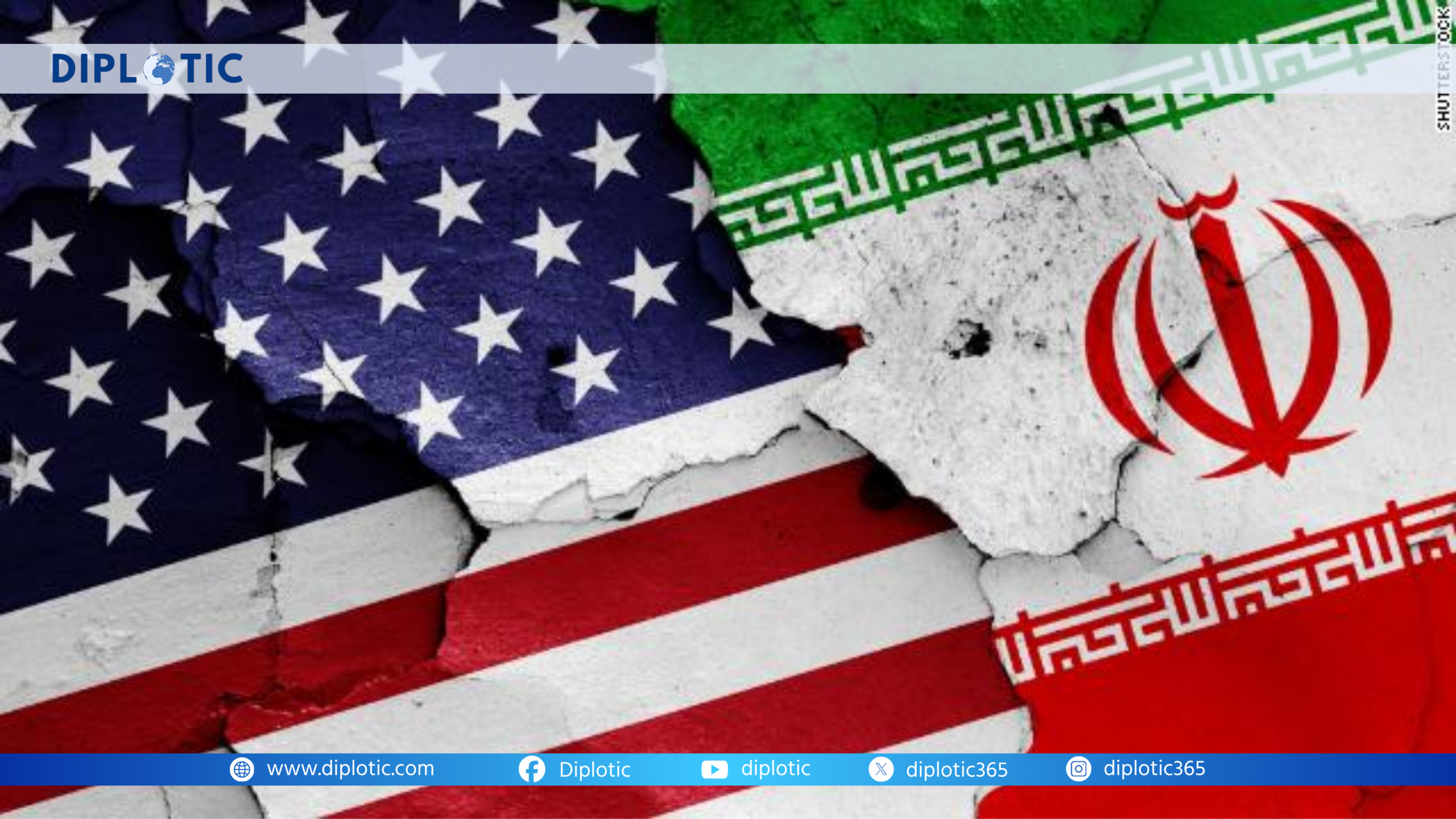
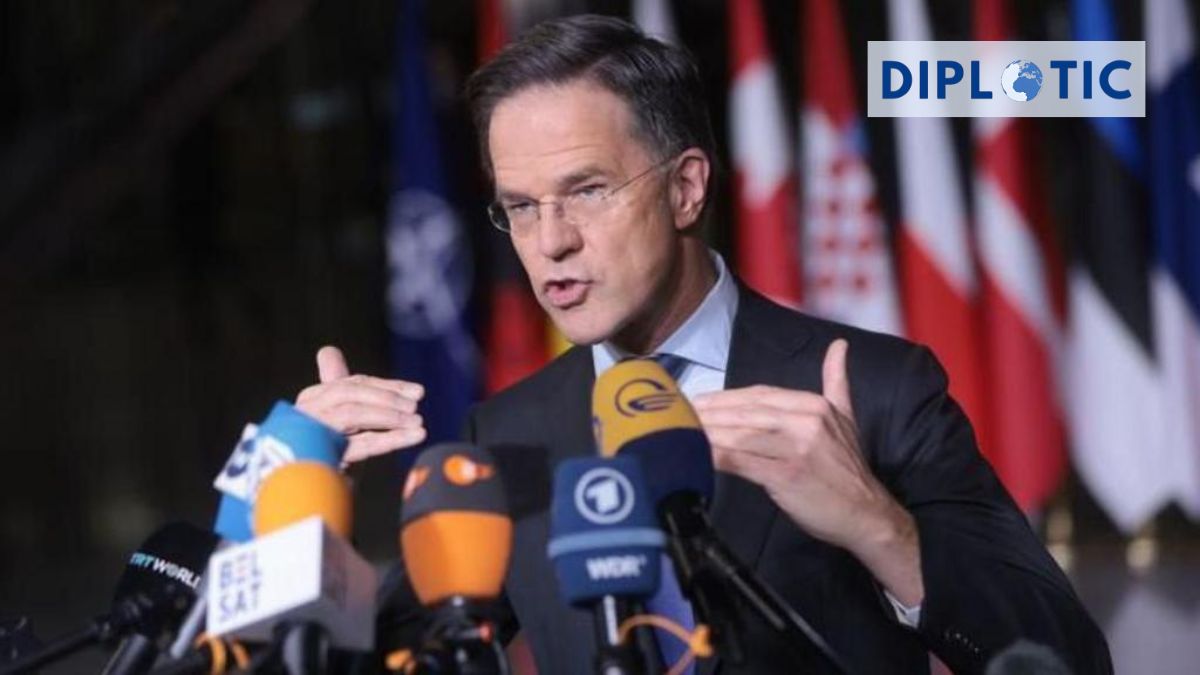
The latest US–Russia negotiations at the Kremlin in early December 2025 ended without a breakthrough. Territorial control of Ukraine remains the sticking point. This in-depth analysis explores what went wrong, why Moscow stayed rigid, how Washington responded, and what this impasse means for Ukraine and global diplomacy.
A Snowy Moscow, a Chance for Diplomacy, and the Same Old Divide
On December 2, 2025, a five-hour meeting at the Kremlin between Vladimir Putin and a U.S. team led by Steve Witkoff and Jared Kushner ended in what many observers describe as a predictable impasse. The delegation came bearing a revised version of a U.S.-backed peace plan aimed at ending the war in Ukraine. But despite lengthy talks and what Kremlin aides privately called “constructive” outwardly, the result is: no breakthrough.
Even as both sides pledged to continue diplomatic engagement, the core issue of territorial control in Ukraine remained unresolved. The lack of agreement highlights how far apart Moscow and Washington remain on the path to peace.
What Russia Says: Accept Some, Reject Others, But Hold the Line
According to Moscow, certain parts of the U.S. proposals were “more or less acceptable.” But in the end, those were not enough.
Top Kremlin aide Yuri Ushakov, speaking on behalf of the Russian leadership, acknowledged that while the meeting was “useful and constructive,” “a lot of work lies ahead both in Washington and in Moscow.”
At the heart of Russia’s resistance: territorial demands. The Russian government continues to insist on full control over regions such as the Donbas, along with deeper security guarantees and constraints on Ukraine’s future military and foreign-alignment ambitions, positions that Kyiv and its European partners have long rejected as tantamount to surrender.
Moreover, Russian willingness to entertain elements of the U.S. peace framework seems conditional and selective, not a wholesale acceptance. Moscow is ready to discuss certain economic cooperation or reconstruction aspects, but only insofar as they fit a broader framework that meets Russia’s strategic goals.
What the U.S. Came With and Why Washington Came Up Short
From the U.S. side, the delegation presented a reworked version of a 28-point plan originally drafted in late November. That plan, which had drawn heavy criticism from Kyiv and European capitals for leaning too far toward Moscow’s interests, was broken down during the Moscow meeting into a set of four thematic documents presumably covering territorial arrangements, security guarantees, reconstruction, and future Russia–Ukraine (and Russia–West) relations.
Despite these efforts, U.S. negotiators emerged without a “compromise option.” According to reporting, even within that revised framework, none of the competing proposals gained sufficient support in Moscow to finalize a tentative deal.
Still, U.S. officials believe the negotiations produced a “positive effect” for the broader peace process, though they concede that the road ahead remains long and fraught.
Why This Matters For Ukraine, Europe, and Global Diplomacy
For Ukraine: Hopes Suspended
For Kyiv and its supporters in Europe, the Kremlin’s refusal to compromise is a serious blow. Accepting Russia’s demands on territory would amount to capitulation. As things stand, the war remains far from over and the risk of renewed Russian military escalation looms large. The failure to reach a diplomatic settlement only deepens Ukraine’s sense of abandonment and raises doubts about whether Moscow ever intended a genuine negotiated peace.
For Europe and NATO: Uncertainty Grows
The impasse undermines any near-term hopes of de-escalation, keeping Europe on edge. With Russia insisting on maximal demands, European governments now face the reality that sanctions, defense posturing, and military aid to Ukraine may be the only options for the foreseeable future. The hope for a negotiated thaw — and a reset of transatlantic stability is slipping away.
For U.S.-Russia Relations: Diplomacy Remains Alive But Fragile
That said, the talks were not a total failure. The fact that Moscow engaged at all — accepting some proposals as “discussable” suggests that diplomatic channels remain open. Whether this openness is genuine or tactical remains to be seen. But for now, the Kremlin appears to be leveraging negotiations not as a path to peace but as a platform to legitimize its territorial gains and reshape the post-war order to its advantage.
What Happens Next Key Variables to Watch
Further Diplomacy or Stalemate? U.S. envoys may return to Moscow or propose new versions to bridge the gap but success seems unlikely unless Russia scales back its maximalist demands.
backdoorUkraine’s Role in Negotiations: Kyiv has to be a central party. Any backdoor deal between Washington and Moscow that excludes Ukraine risks triggering outrage among allies and further destabilizing the region.
European Posture: EU and NATO countries are likely to reinforce their military and humanitarian support for Ukraine, shifting from expecting peace to preparing for continued defense.
Economic Leverage vs. Military Reality: Talks may shift more toward sanctions, frozen assets, and reconstruction aid, but unless Russia perceives unacceptable pressure, military leverage remains the true power.
Conclusion: A Diplomatic Dead End For Now
The December 2025 Moscow talks between the U.S. delegation and Putin’s inner circle have ended in a stalemate. The deep chasm over territorial control in Ukraine could not be bridged, and as Kremlin officials put it, there is “no compromise” yet. While Russia sounded open to discussing fragments of the U.S. peace proposal, ultimately its core demands remained non-negotiable.
What started as a renewed push for diplomacy, a possible turning point in a war that has scarred Europe, ended where so many other past efforts have: in frustration. Unless Moscow shifts strategy or global pressure forces its hand, hopes for a diplomatic resolution remain slim. As the frost deepens outside the Kremlin walls, so too does the chill over any realistic Russia–Ukraine peace deal.