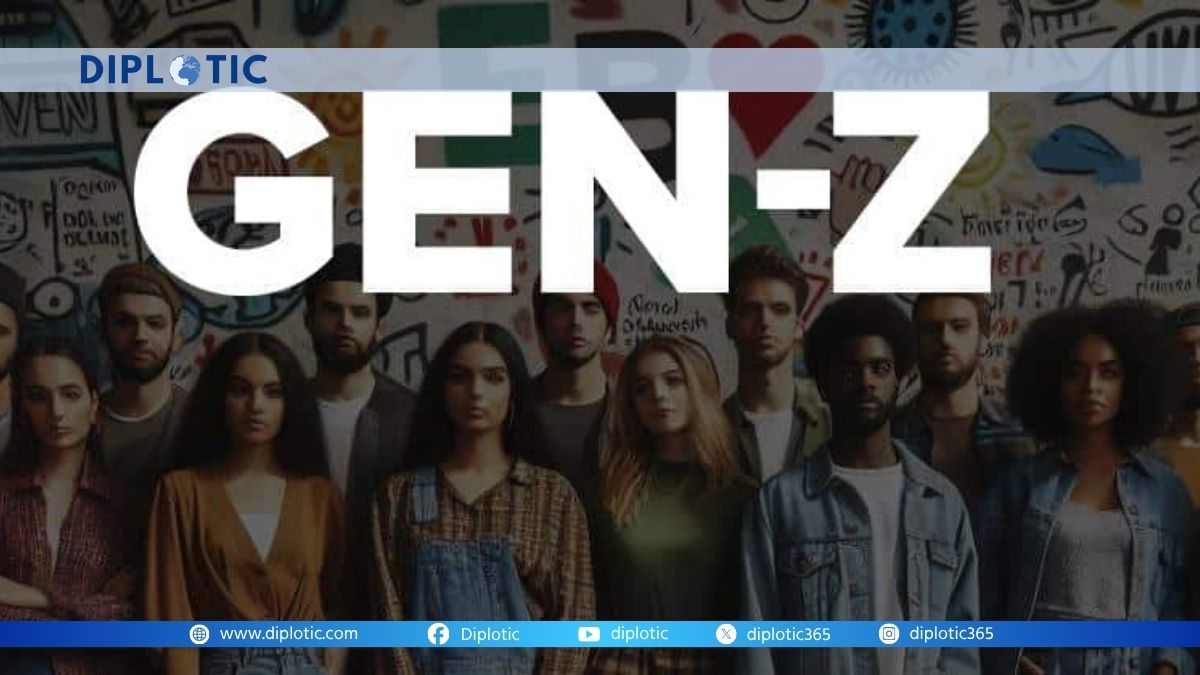
Around the South Asia and world, a new political force has emerged with unusual speed. Generation Z, often described as the first fully digital generation, has grown up in a period shaped by economic shocks, a global pandemic, environmental crises, and widening inequality. They are not shaped by memories of old revolutions or ideological battles of the past. Instead, they are shaped by a daily experience of instability and mistrust in political leadership. This emerging generation has become a central actor in many national crises, especially in South Asia, where rising corruption and shrinking economic opportunities have pushed millions of young people to question the structure of their countries.
Their anger did not appear suddenly. It built slowly as living costs rose, job opportunities narrowed, education became more expensive, and leaders continued to promise reforms that never came. In many countries, young people watched the children of political families enjoy privileges that were out of reach for ordinary citizens. They saw clear examples of wealth that did not match official incomes. At the same time, they saw public services weaken, infrastructure break down, and inflation make even basic items unreachable.
The result is a generation disillusioned not by politics itself but by the way politics has been practiced for decades. For many, corruption is not an abstract statistic; it is a personal barrier. It affects university admissions, job recruitment, access to justice, and the cost of running a small business. These pressures have created a powerful sense of moral urgency, where young people believe that if they do not act now, the future will slip further out of reach.
One striking part of this global trend is that Gen Z protests are largely leaderless. Youth organize through digital networks, use social media for coordination, and rely on rapid communication rather than formal structures. These movements form quickly, gather strength within hours, and challenge the traditional control methods used by states. A public square that is empty in the morning can fill with thousands by the afternoon. This type of mobilization is difficult for governments to predict, control, or negotiate with.
Across South Asia, this shared pattern appears again and again. The protests in Sri Lanka, Bangladesh, and Nepal are not identical, but the underlying frustrations are similar. Corruption, inequality, and shrinking opportunities have created a sense that young people are inheriting a world shaped by the failures of older leaders. Their message is consistent: if the system is unjust, they will no longer accept it quietly.
————————————————————
Corruption and the Rise of Youth-Led Mobilizations
South Asia is one of the youngest regions in the world, yet it continues to rank poorly on global corruption indexes. Recent findings from Transparency International show Bangladesh with a score of 23 out of 100 and positioned near the bottom of global rankings. Nepal stands only slightly higher, and India also struggles with institutional weaknesses that undermine public trust. These numbers reflect long-standing structural problems, but for the youth, they represent daily obstacles that affect their real lives.
The frustration deepens when young people compare their hardships with the visible lifestyle of political families and elites. Online platforms have made this inequality more visible than ever. Images of luxury cars, foreign travel, and expensive celebrations circulate widely, creating a contrast between those who benefit from the system and those who must struggle within it. This visual exposure intensifies the perception that the system is rigged in favor of a few.
In Bangladesh and Nepal, corruption affects the job market in a particularly direct way. Many young graduates face long waiting periods for employment or must navigate irregular recruitment processes. They hear stories of positions awarded through political connections rather than merit. This weakens confidence in institutions and strengthens the belief that the system will not reward honest effort.
This landscape has encouraged a new kind of political engagement. Unlike previous generations, Gen Z does not wait for traditional parties, unions, or student groups to lead movements. Their protests form around shared grievances rather than shared ideology. A rise in fuel prices, a controversial policy, or a case of abuse of power can become the spark that unites thousands. The scale of such mobilizations can take governments by surprise because they do not follow old political patterns.
Yet these movements face serious challenges. While they are effective at exposing injustice, they do not always translate into long-term structural reform. Leaderless protests can pressure governments to resign or withdraw policies, but without organized pathways to institution-building, they risk fading after the initial victory. This tension is visible across South Asia, where major protests have changed leadership but not the deeper political culture.
The situation across the region shows a simple truth: corruption is no longer only a governance problem; it is now a generation-defining crisis pushing youth to reclaim their future.
————————————————————
Sri Lanka, Bangladesh, and Nepal: Three Different Crises, One Shared Trigger
Sri Lanka’s 2022 uprising was one of the most visible examples of Gen Z’s political strength. Faced with a severe economic crisis marked by high inflation, fuel shortages, and unstable supply chains, the country’s young population became the main force behind mass demonstrations. The Aragalaya movement brought together students, professionals, and unemployed youth who organized through digital platforms. The scale and speed of their mobilization were unprecedented. Within months, long-powerful leaders resigned, and the country entered a new political phase. However, even today, many of the root causes of that crisis remain unresolved, showing how difficult it is to rebuild systems after a dramatic collapse.
Bangladesh experienced an even more intense youth uprising between 2024 and 2025. What began as a student protest grew into the largest protest movement in the country’s history. Millions joined demonstrations calling for accountability and an end to abuse of power. The rapid escalation of events led to the fall of a long-standing government, and the crisis revealed the deep frustration of a young population facing rising costs, limited opportunities, and concerns about fairness. After the change in leadership, however, the structural issues remained. Violent clashes, unrest, and political uncertainty continued, reminding the country that removing a leader does not automatically repair an entire system.
Nepal’s story is shaped by a different but related pressure: the departure of young workers seeking employment abroad. High youth unemployment and the lack of reliable opportunities at home have led hundreds of thousands of Nepalis to migrate to the Gulf states, Southeast Asia, or South Korea. These remittances support the national economy, but the emotional and social cost is heavy. At the same time, young people witness their political leaders enjoying privileges that cannot be explained through official incomes. This contrast has fueled protests, with young people demanding fair governance, transparency, and a system that does not force them to leave the country to survive.
Despite the differences, all three countries show a common pattern: when corruption mixes with inequality and declining opportunities, young people become the main drivers of political change. Their methods, motivations, and energy suggest that South Asia is entering a new phase where traditional political structures face growing pressure from a generation that expects honesty and accountability.
————————————————————
The Road Ahead: Can Gen Z Reform What They Have Challenged?
Across the region, one major question remains: can Gen Z turn protest into long-term reform? Their strength lies in their ability to mobilize quickly, raise awareness, and challenge systems that were once considered untouchable. But sustainable change requires more than energy and moral clarity. It requires institutions that can carry out reforms steadily, transparently, and with broad public support.
Key reforms include strengthening judicial independence, modernizing public administration, depoliticizing law enforcement, and setting clear limits on political families and networks that have long dominated national systems. These steps demand patience and political courage. Young people can demand them, but governments must build them.
The events in Sri Lanka and Bangladesh show both the power and the limits of youth-led revolts. Leadership can fall, but political culture often remains. Without structural reform, countries risk repeated cycles of unrest without long-term improvement. That is why many analysts argue that this decade will test whether Gen Z’s movements can evolve into sustained political engagement that reshapes institutions rather than only challenging them.
One thing, however, is clear: this generation has already changed the political landscape. They are connected, informed, and unwilling to accept corruption as normal. Their expectations for fairness, transparency, and opportunity are reshaping national conversations from South Asia to other regions facing similar challenges.
If older political elites continue to ignore these demands, they risk deepening the divide between leaders and citizens. The future stability of many countries may depend on whether governments treat Gen Z’s uprising as a warning or as an opportunity for meaningful reform.
————————————————————
Conclusion: A Generation That Will Not Step Back
Across Sri Lanka, Bangladesh, Nepal, and many other parts of the world, Gen Z is pushing national politics into a new era. They are driven not by ideology but by lived experience. Their protests reflect a clear desire for justice, equality, and transparent governance. They may not yet have all the tools needed to rebuild systems, but they have already shown they will not tolerate systems that deny them a fair future.
Whether this century becomes defined by reform or repeated crisis will depend on how political leaders respond to this moment. What is certain is that Gen Z is no longer waiting for someone else to fix the system. They are stepping forward, reshaping public spaces, demanding accountability, and signaling that the age of ignoring the youth is over.