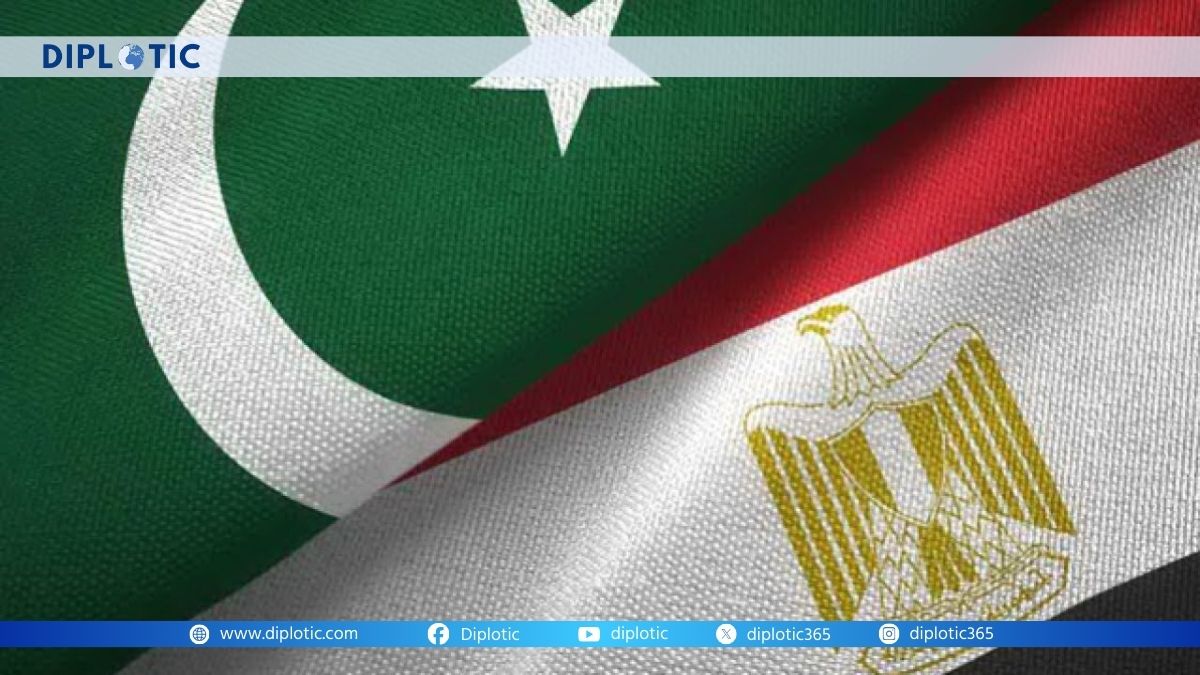
In a significant diplomatic move, the Egyptian Foreign Minister’s recent visit to Islamabad has resulted in a concrete plan to deepen ties between two of the Muslim world’s most populous nations. Beyond the usual statements of friendship, the two countries announced a major 500-business initiative and enhanced educational cooperation, signaling a shift from traditional diplomacy to a more practical, economically-driven relationship. This new partnership emerges at a time when both nations are navigating complex regional crises, from the ongoing situation in Gaza to internal security challenges. The agreements suggest a shared desire to build economic resilience and political solidarity outside of their usual alliances. This growing alignment between Pakistan and Egypt could potentially create a new axis of influence, one that seeks to balance relations with greater powers while addressing common challenges like extremism and economic instability through direct cooperation.
What Are the Specifics of the New Economic Partnership?
The centerpiece of the recent talks is a detailed and phased economic plan designed to move beyond vague promises and generate tangible trade results. Pakistan has committed to sharing a comprehensive list of 250 businesses across key sectors with the Egyptian government. The unique aspect of this arrangement is that Cairo has agreed to actively “facilitate and support” these specific Pakistani entities, implying a hands-on role in helping them navigate the Egyptian market and establish commercial links. This initial list is not the end of the roadmap. The plan explicitly states that after a six-month period, a second list of another 250 businesses will be shared, bringing the total to 500 Pakistani companies receiving direct support. To ensure this effort is sustainable, the two nations agreed to establish new institutions: a Pak-Egypt Business Council to institutionalize private-sector cooperation and a Pak-Egypt Business Forum to actively promote business-to-business (B2B) connections. This structured, two-phase approach with built-in institutional support indicates a serious commitment to overcoming the historical hurdle of low trade volume between the two countries and building a broad-based commercial relationship.
How Does Education and Defense Fit into the Strategy?
The partnership extends far beyond mere commerce, delving into the strategic areas of education and defense, which are crucial for long-term influence. In a significant soft power move, Egypt has agreed to double the number of scholarships for Pakistani students at the renowned Al-Azhar University in Cairo. Al-Azhar is one of the world’s oldest and most respected centers of Islamic learning, and increasing the number of Pakistani students there strengthens religious and cultural ties. It fosters a pro-Egyptian sentiment among future Pakistani religious scholars and community leaders, creating a lasting bond between the two societies. On the security front, the discussions highlighted “growing cooperation” in defense, though specific details were not disclosed. Furthermore, Egypt pledged its support to Pakistan in “countering terrorism and extremism,” a critical concern for Islamabad following recent devastating attacks. This combination of educational exchange and defense collaboration builds a multi-layered relationship, intertwining soft power with hard security interests to create a more resilient and comprehensive alliance.
What is the Broader Regional and Political Context?
The warming relationship between Pakistan and Egypt cannot be separated from the larger geopolitical shifts occurring across the Middle East and South Asia. Both countries find themselves at a crossroads, recalibrating their foreign policies in a changing world. The Egyptian Foreign Minister specifically acknowledged Pakistan’s role in the Gaza ceasefire agreement and expressed interest in involving Pakistan in the territory’s future reconstruction. This indicates a desire to bring Pakistan into traditional Arab diplomatic circles and leverage its political weight. For Pakistan, which has historically positioned itself as a champion of Palestinian rights, collaborating with Egypt—a key mediator in Gaza—enhances its relevance in Middle Eastern politics. The visit also included a reaffirmation of a shared commitment to a UN-backed two-state solution for Israel and Palestine, a stance that solidifies their joint diplomatic front. This growing alignment suggests an effort to form a bloc of influential Muslim-majority states that can assert a more independent role in regional affairs, distinct from the influence of powers like the United States or Saudi Arabia.
What Does This Mean for the Future of Both Nations?
The newly announced partnership represents a strategic pivot for both Pakistan and Egypt, with potential long-term consequences for their economic and political trajectories. For Pakistan, which is grappling with a severe economic crisis and a sharp rise in security threats, diversification is key. Cultivating a strong economic and defense relationship with Egypt provides an alternative to its traditional reliance on Gulf Arab states and China. The direct access for 500 Pakistani businesses to a large market like Egypt could stimulate export growth and attract much-needed investment. For Egypt, which faces its own economic pressures and seeks to expand its regional leadership role, a stronger tie with a nuclear-armed state like Pakistan adds strategic depth. It also grants Egypt a more influential voice in South Asian affairs, particularly on issues like Afghanistan. The relationship is built on a foundation of what both ministers described as “common faith, cultural affinity, and shared perspectives.” While past collaborations have often been rhetorical, the 500-business initiative and the scholarship increase provide a measurable framework for success. The true test will be in the implementation over the next six months, but the foundation has been laid for a partnership that could significantly alter the diplomatic and economic landscape for both nations.
The agreement between Pakistan and Egypt is more than a routine diplomatic accord; it is a potential blueprint for South-South cooperation in an increasingly multipolar world. By focusing on a clear, scalable economic plan and complementing it with strategic cooperation in education and security, the two countries are building a partnership that addresses both immediate needs and long-term ambitions. This collaboration allows them to pool their resources and influence to tackle shared challenges like extremism and economic instability more effectively. If successfully implemented, this partnership could elevate their standing, giving them greater agency on the world stage. The planned follow-up in six months will be a critical indicator of whether this new chapter of cooperation can deliver real-world results, moving beyond joint press statements to create a meaningful alliance that benefits the people of both nations and creates a new center of gravity in the Muslim world.