Pakistan sets bold 2035 targets: full integration into Asian green supply chains, clean energy share, emissions cut, and green jobs boost. What does it imply for the economy, climate, and regional trade?
Why the Push for Green Supply Chain Integration Matters
In late November 2025, the government of Pakistan declared an ambitious target: full integration into Asia’s green supply chains by 2035. The announcement came from the Federal Minister for Planning and Development during the Asian Productivity Organisation (APO) Green Productivity 2.0 conference held at the Lahore University of Management Sciences.
This aim is not just about embracing environmental norms; it reflects a strategic vision linking energy security, economic growth, regional trade, and long-term sustainability. The minister outlined a sweeping plan: by 2035, the country hopes to achieve over 6% productivity-driven GDP growth, hit $100 billion in exports, reduce emissions intensity by 30%, generate two million green and high-tech jobs, ensure universal climate-resilient infrastructure, and source 60% of its energy from clean sources.
The drive toward green supply chains resonates with broader shifts across Asia. As countries adopt green industrial policies, environmental standards and sustainable production are becoming key criteria for trade and investment. For Pakistan, the integration represents a transformation from energy- and emissions-intensive industries to cleaner, more efficient, export-oriented manufacturing supported by clean energy, greener processes, and long-term competitiveness.
This approach also aligns with rising global demand for sustainable products, pressure on global supply chains to reduce carbon footprints, and increasing investor interest in environmentally responsible markets. For Pakistan’s economy, once heavily dependent on traditional exports, this could be a turning point.
What Integration into Asian Green Supply Chains Looks Like
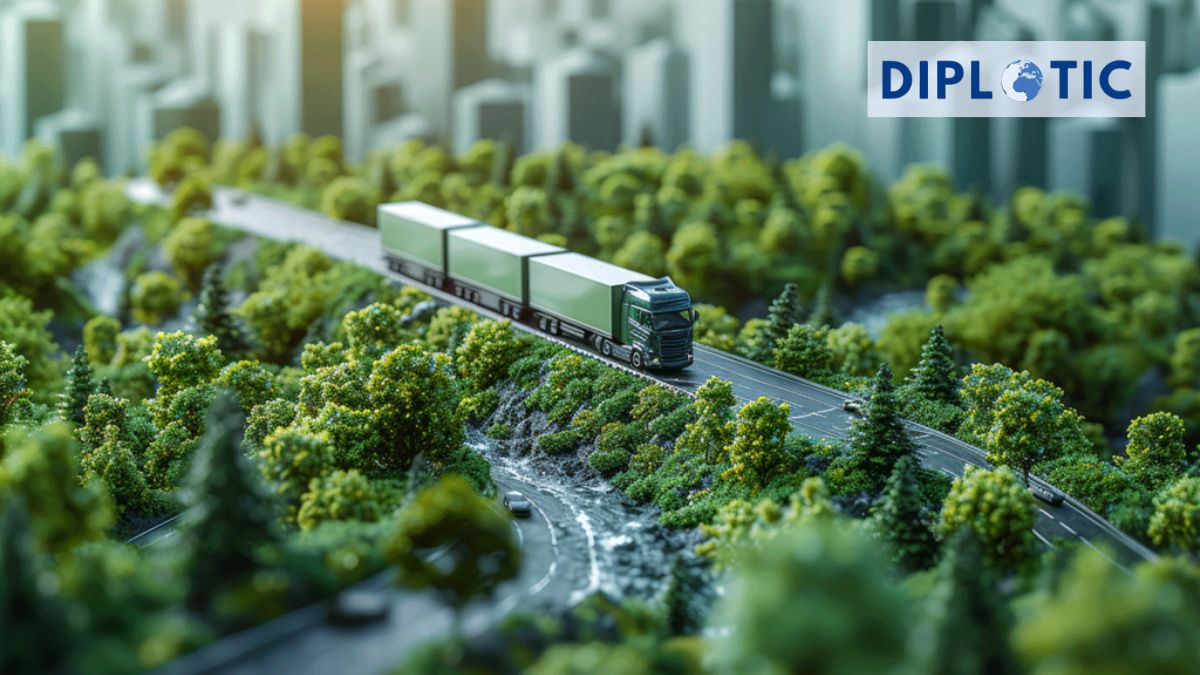
Green supply chains are more than a change in name or label. They cover the full lifecycle of products: design, sourcing of raw materials, manufacturing, transportation, and often recycling or reuse. Integration means aligning national industry standards to meet the green requirements of partners across Asia, from renewable energy sourcing, clean factories, emissions reporting, to environmental compliance.
For Pakistan, achieving this integration will require overhauling energy infrastructure, embracing green manufacturing, and investing in climate-resilient infrastructure. The goal of 60% clean energy suggests a shift away from heavy reliance on fossil fuels toward renewables or cleaner energy sources.
Beyond energy, integration demands transparency and sustainability in supply chains covering labor, resource use, and environmental footprint. The regional push shows that Asian economies are increasingly linking trade competitiveness with sustainability. Countries are rethinking supply networks, encouraging green industrial policy, and adopting standards to ensure products meet environmental norms.
If Pakistan succeeds, its industries could plug into growing demand for green-certified goods and services across Asia. This could open opportunities not just in traditional manufacturing, but in green technologies, renewable energy components, sustainable materials, and other high-value sectors.
Challenges on the Road to 2035 Goals
The targets announced for 2035 are ambitious, and meeting them will require overcoming significant structural and systemic challenges. First, transforming energy infrastructure toward clean energy requires massive investments, strong regulatory support, and long-term policy consistency. For a country like Pakistan, which has faced energy shortages and reliance on conventional fuel sources, scaling up clean energy is not simple.
Second, industries need to adopt cleaner production technologies, comply with environmental and labour standards, and often modernize entire manufacturing and supply systems. Many firms may lack capital or technical capacity to transition quickly, and small- to medium-sized enterprises, crucial for exports and jobs, could struggle without support.
Third, achieving export targets and supply-chain integration requires reliable logistics, cross-border trade facilitation, and alignment with regional standards. Given that many Asian economies are themselves in transition, harmonizing regulations and meeting high environmental standards while remaining cost-competitive will be a delicate balance.
Fourth, climate-resilient infrastructure and adaptation need to be built in parallel, especially given vulnerabilities to climate change, extreme weather, and energy instability. Without resilient power grids, a stable energy supply, and updated infrastructure, clean energy goals may stagnate or fail under pressure.
Finally, even if all structural changes materialize, building “green and high-tech” jobs will require investment in skills, training, and technology transfer. The workforce needs reskilling; industries must embrace greener practices; financial incentives may be needed to stimulate adoption.
Thus, success depends not only on will but on coherent long-term policy, public-private partnerships, investment flows, and regional cooperation.
Why Asia Green Supply Chain Integration Matters Regionally and Globally
The move toward green supply chains is not unique to Pakistan. Across the Asia-Pacific region, a broader shift is underway. Governments and industries are increasingly focusing on green industrial policy, renewable energy, sustainable manufacturing, and environmentally responsible trade.
For regional economies, including emerging manufacturing hubs, this opens new opportunities. As international demand for sustainable goods rises, countries that meet green standards stand to gain access to new markets, partnerships, and investment. Integration into Asia’s green supply chains can elevate export potential, create high-tech jobs, and attract foreign capital especially from investors and companies with strong ESG commitments.
For Pakistan, success in this area could help it reposition itself in Asia’s evolving economic landscape. With commitments to clean energy, emissions reduction, and sustainable infrastructure, the country could become a trusted partner for green supply chain networks.
On a global scale, such shifts support the broader fight against climate change. As more manufacturing and trade move toward cleaner energy and sustainable production, carbon footprints shrink, resource use becomes more efficient, and economies grow in a more balanced, resilient way.
Given rising environmental awareness among consumers, stricter trade regulations about sustainability, and increasing global demand for green products, early movers may enjoy a competitive edge while those that resist risk being left behind.
What Needs to Happen and What It Means for the Future
For Pakistan to meet its 2035 green supply chain integration goal, a number of things must come together. The government must create clear policy frameworks, incentives, and regulatory support. Private industry must invest in clean technology, energy-efficient practices, and supply-chain transparency. International partners and regional allies must engage to harmonize standards, trade practices, and support sustainable supply networks.
Financial institutions, development agencies, and investment funds can play a key role especially by supporting firms transitioning to green technology, providing sustainability-linked loans, and backing infrastructure upgrades. For example, as seen in neighbouring markets, sustainability-linked financing can help manufacturers modernize operations while committing to environmental goals.
Capacity building will be crucial: workers need training; firms must adopt sustainable practices; supply-chain management must become transparent and resilient. Technology, including digital tracking, green-certification systems, and energy-efficient processes, will help deliver on promises.
Finally, regional cooperation is vital. Asia is already shifting toward green industrial value chains. Concerted efforts through regional platforms, trade agreements, and shared standards will make integration smoother and more effective.
If all these pieces align, Pakistan and potentially other nations could transform their economic trajectory. Green supply chain integration could lead to cleaner energy use, stronger exports, sustainable growth, and a more stable future.
A Crucial Moment for Sustainable Growth: Will It Be Seized?
Pakistan’s decision to aim for full integration into Asia’s green supply chains by 2035 is a bold and vital step. It links environmental responsibility with economic ambition, positioning the country to benefit from emerging trends in sustainable trade and green manufacturing.
The path ahead is not easy. It demands major investments, systemic reforms, and long-term commitment from government, industry, and civil society. But the potential gains of clean energy, global competitiveness, export growth, green jobs, and climate resilience make the effort worthwhile.
As Asia shifts toward sustainable production, emissions reduction, and green industrial networks, Pakistan’s success will depend on whether it can turn this vision into a living reality. The next decade will likely determine whether this ambition becomes a genuine transformation or remains a hopeful promise.