Why This Possible Treaty Raises New Questions
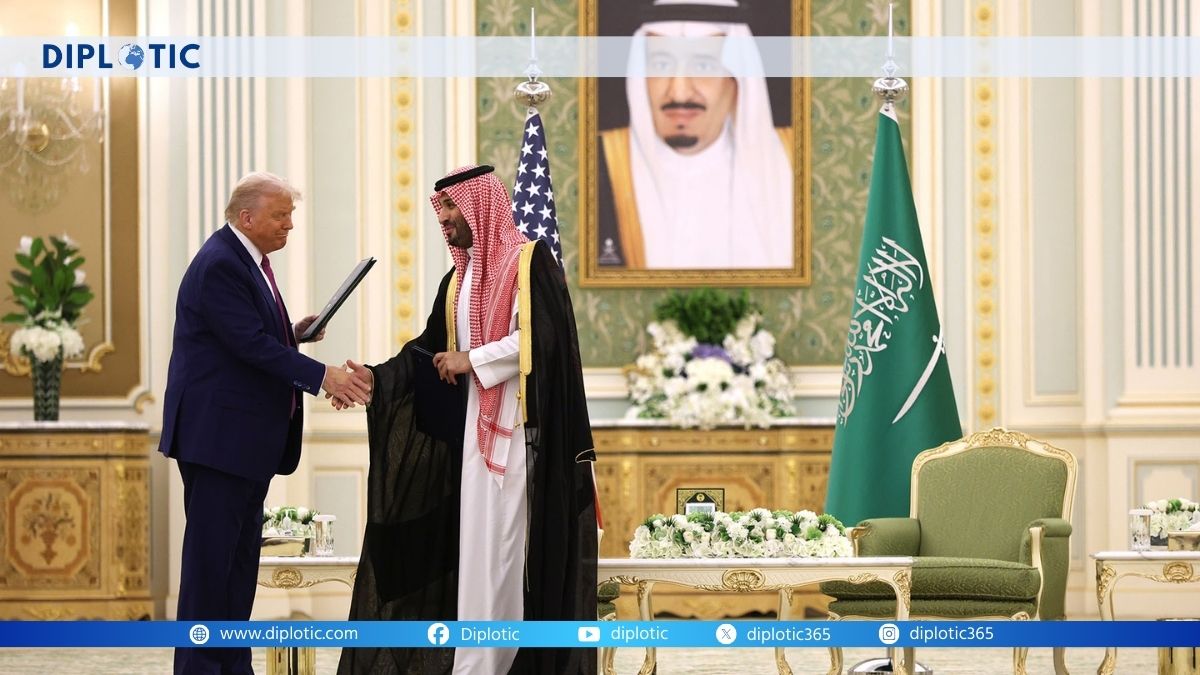
For months, discussions about a potential US–Saudi defense treaty have circulated in diplomatic circles, raising interest and concern at the same time. The idea is simple on the surface: the United States would formally guarantee Saudi Arabia’s security in exchange for deeper cooperation on regional stability, energy policy, and possible diplomatic progress toward normalizing ties between Saudi Arabia and Israel. But when we look closer, the story becomes more complicated.
A treaty is not the same as regular military cooperation. It is a binding promise that could pull the United States into regional conflicts that it may not want to join. This comes at a time when Washington is trying to reduce its military footprint in the Middle East and shift attention to the Indo-Pacific, where long-term strategic competition is rising. The question becomes: why enter into one of the most serious commitments in foreign policy at a moment when global priorities are shifting?
This opening concern sets up a deeper investigative look into the motivations behind the treaty, the risks it carries, and what history teaches us about similar agreements. The issue is not whether the US and Saudi Arabia should cooperate; they already do. The issue is whether converting an informal partnership into a formal defense pact would reshape American strategy in ways that are difficult to reverse. And if so, what would the consequences be for future US administrations, for the broader region, and for global power balances?
The search for answers begins with understanding how we reached the current point, and what long-term patterns can tell us about where this decision may lead.
How Past Crises Shape Today’s Debate
To understand the gravity of a defense treaty, it helps to look at the history of US involvement in the Gulf. Since the end of World War II, Washington has worked with Saudi Arabia on oil security, military assistance, and counterterrorism. But this cooperation has always relied on flexible arrangements rather than fixed obligations. This flexibility allowed the US to adjust its involvement based on changing circumstances, from the oil shocks of the 1970s to the Iraq wars, the Arab uprisings, and the more recent focus on Asian geopolitical competition.
A treaty risks rewriting this long-standing pattern. It would freeze the relationship into a legal structure that ties future American leaders to conditions that may no longer match global realities. History shows that the Middle East is one of the most unpredictable regions in the world. Conflicts can emerge quickly across borders, and alliances shift faster than treaties can adapt. A fixed defense pact could trap the United States in situations similar to earlier crises, such as the Gulf War or later regional interventions, but without the freedom to decide based on national interest at the time.
Another layer of history involves the internal changes within Saudi Arabia itself. Recent reforms have modernized parts of the economy and society, but political power remains centralized, and foreign policy decisions often depend on rapid, high-level choices. A treaty means that the United States would be committed to defending a partner whose strategic decisions it cannot fully predict or influence. History has shown that unpredictability between allies often becomes a source of tension, and in the Middle East, tension can spill far beyond borders.
The past does not repeat itself exactly, but it offers warnings. Those warnings suggest that legally binding military promises in such a volatile region carry risks that are difficult to control, especially as the world’s power balance continues to shift.
Why This Pact Could Limit US Choices
The investigative question at the heart of this issue is simple: what does the United States actually gain? A treaty offers symbolic benefits—closer ties, stronger influence, and clearer commitments. But does it improve national security? Many analysts argue that the opposite may be true.
A formal defense agreement could pull American resources back into the Middle East at a time when they are needed elsewhere. The US has already stated that its main long-term challenge is strategic competition with major powers, especially in the Indo-Pacific. A binding defense pact with Saudi Arabia risks diverting attention, troops, and diplomatic capital away from that priority. If a conflict involving Saudi Arabia were to erupt, the United States would be legally obligated to respond, regardless of whether such involvement aligns with larger strategic goals.
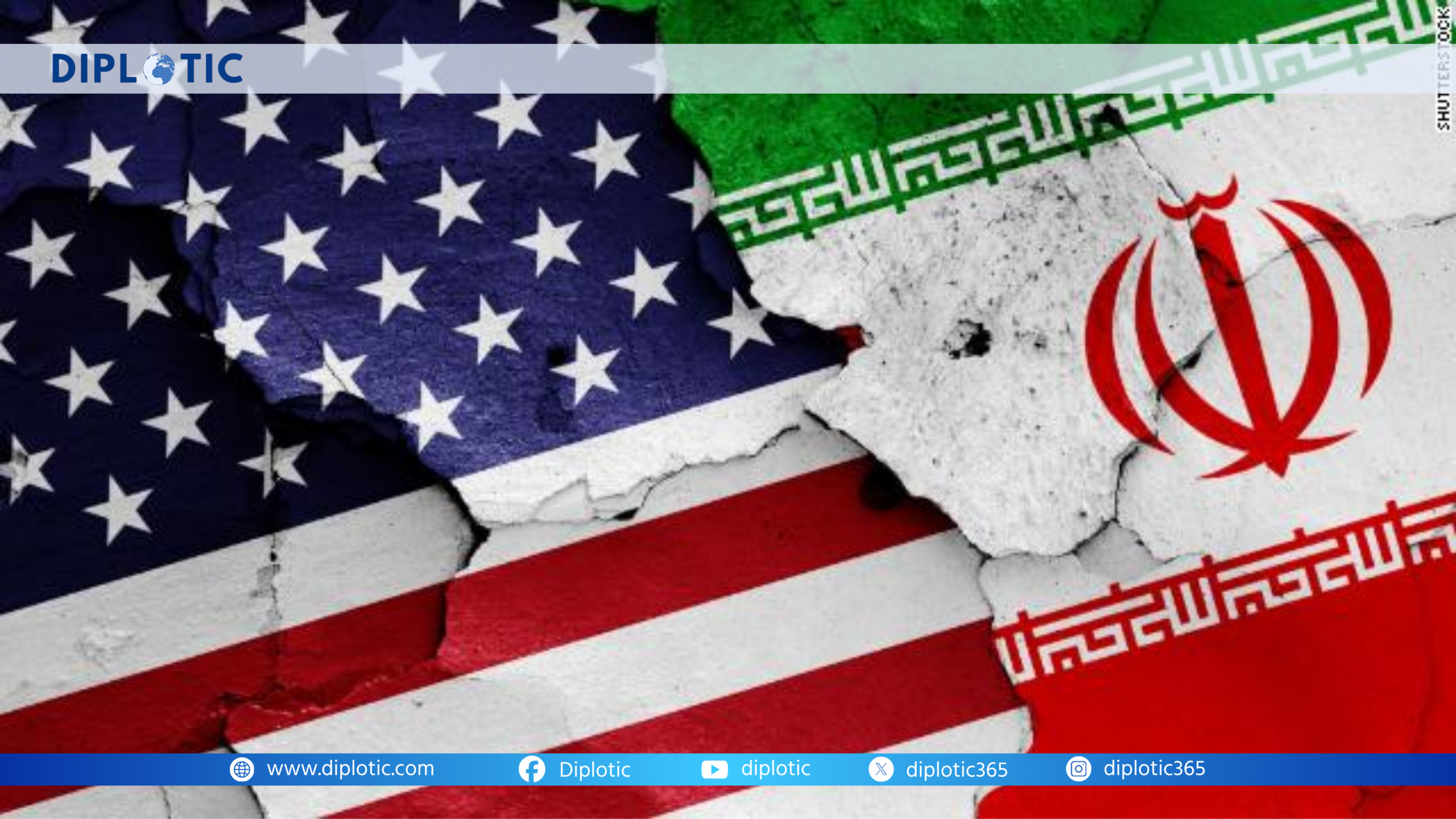
Another concern is escalation. Iran, already wary of US influence, may see a defense treaty as a threat that forces it to expand its missile arsenal or deepen partnerships with other global powers. That chain reaction could raise tensions across the Gulf and destabilize an already fragile balance. The United States would then be tied to a partner at the center of a new regional competition it did not intend to trigger.
There are also questions about leverage. Right now, the US can press Saudi Arabia on issues such as oil production, regional diplomacy, and arms purchases. A treaty reduces this leverage. Once Washington becomes the guarantor of Saudi security, Riyadh would have more room to make choices that run against US interests without fear of losing core protection.
These strategic costs show why a treaty could reshape US power in ways that weaken rather than strengthen long-term positioning.
What This Means for Future Global Policy
The possible treaty signals more than a shift in Middle Eastern policy; it reflects a broader question about America’s future role in the world. When the United States signs a defense pact, it sends a message to allies and rivals alike. If Washington chooses to anchor itself more deeply in the Gulf, it may appear less committed to the Indo-Pacific, Europe, or emerging regions where strategic competition is increasing. Rivals may use this as evidence that the US is becoming overstretched or divided in its priorities.
Domestically, this treaty could become a source of political debate for years. Binding commitments outlast administrations, and future leaders must honor them regardless of changing interests. This type of long-term lock-in raises concerns about democratic oversight, public support, and whether foreign policy should rely on flexible tools rather than irreversible promises.
On the Saudi side, the treaty would also change expectations. Instead of a partnership built on mutual benefit, the relationship becomes one of guaranteed protection. That shift could allow Riyadh to take greater risks in regional politics, assuming the US will back it regardless of the outcome. The United States must ask whether it is prepared to shoulder that responsibility at a moment when global challenges are expanding and becoming more complex.
The larger picture reveals that the question of a defense treaty is not only about Saudi Arabia. It is about the future shape of American strategy in a world where commitments must be carefully balanced.
What This Decision Means for the Future
In the end, the debate over a US–Saudi defense treaty comes down to one issue: long-term strategic wisdom. Partnerships are important. Stability in the Gulf is important. But binding commitments that cannot adapt to fast-changing global dynamics may create more problems than they solve.
History shows the dangers of becoming locked into conflicts that begin far from home. Today’s world requires flexibility, careful judgment, and the ability to shift focus as new challenges emerge. A formal treaty removes much of that flexibility at a time when the United States needs it most.
Whether Washington chooses to sign the treaty or not, the decision will shape future policy for decades. The question is whether this path leads to greater security or greater risk. The answer remains central to America’s evolving role in the world, and it will determine how the next chapter of strategy and global leadership is written.