Bangladesh’s escalating political violence after Sheikh Hasina’s fall, exploring the root causes, the rise of extortion by political groups, human rights concerns, and the uncertain future of democratic stability.
Bangladesh’s New Crisis: A Nation Unsettled After Power Shift
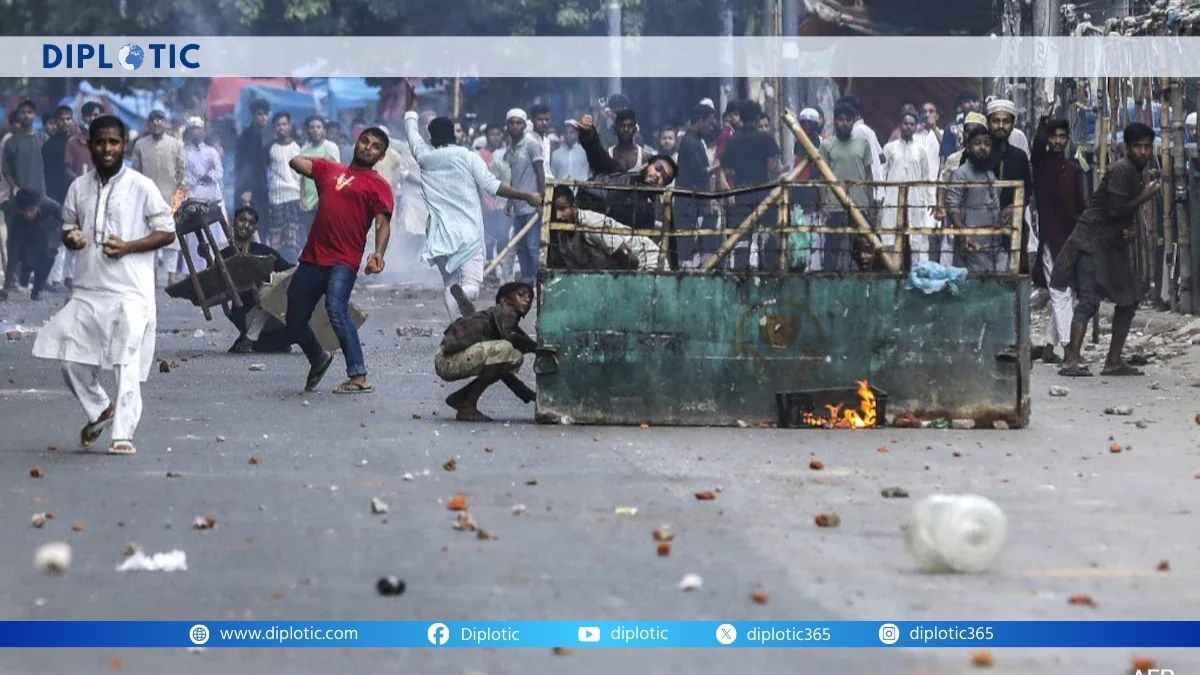
The fall of Sheikh Hasina’s government has pushed Bangladesh into one of its most violent political periods in decades. In the weeks following the collapse of the former ruling structure, at least 281 people have been killed, according to a Dhaka-based human rights group documenting unrest across the country. This sharp rise in political killings has intensified concerns about Bangladesh’s stability, exposing a vacuum where state authority once operated with tight control.
The human rights group reports that violence is neither isolated nor spontaneous. Instead, it reflects the renewed competition among political parties and local power brokers seeking influence over neighbourhoods, industries, and administrative systems. What makes this wave of violence particularly alarming is the scale of extortion and coercion spreading through cities and rural districts. Citizens, regardless of wealth or social standing, are increasingly targeted by groups who now feel empowered in the absence of centralised state oversight.
Bangladesh’s political landscape has long been marked by rivalry, mistrust, and party-led street power. But the current phase is different. The fall of a strong government has created a fragile transitional moment, where institutions are weakened, and lines of allegiance are rapidly shifting. Without a functioning political settlement or a widely accepted roadmap for stability, the country is drifting deeper into uncertainty.
Extortion as Political Currency: The Human Cost of Chaos
The most disturbing trend since the change in power has been the rapid spread of extortion networks operated by political factions. According to activists in Dhaka, extortion is no longer a side activity — it has become a central tool for financing political mobilisation, controlling territory, and shaping local power hierarchies.
Shop owners, small businesses, transport operators, and even households report demands for “donations” from groups claiming allegiance to competing parties. In some areas, the same neighbourhood faces pressure from multiple groups, each attempting to prove dominance through fear. The human rights group notes that “many people had fallen victim to extortion regardless of their financial or social standing,” highlighting how widespread and indiscriminate the coercion has become.
The collapse of the previous governing structure has left law enforcement weakened, unsure of their political backing, and in many cases unwilling to confront armed supporters of rising factions. This vacuum has created space for political entrepreneurs — individuals who use fear and chaos to accumulate money and influence ahead of future elections or leadership consolidation.
For ordinary Bangladeshis, this has meant living in an atmosphere where economic hardship is compounded by daily insecurity. Families face higher prices, uncertain incomes, and the constant risk of being drawn into political disputes they do not support. The spread of extortion networks signals not only financial pressure but also a breakdown in trust between citizens and institutions.
A Fractured Political Sphere and the Return of Street Power
Since Hasina’s departure, political groups that were previously suppressed or marginalised have re-emerged. The absence of a clear transitional framework has intensified rivalry among factions of the BNP, Islamist networks, youth organisations, and local power blocs with long histories of street confrontation.
Political parties in Bangladesh have always depended on grassroots mobilisation, but the current environment has pushed organisers to use more aggressive tactics. The result is a renewed competition to control geography — intersections, transport hubs, universities, markets — because these locations translate into influence, revenue, and visibility.
This competition explains the rapid escalation in violence. With national leadership fragmented and many mid-level leaders claiming to represent party interests, the boundaries of authority have blurred. Younger activists, often jobless and frustrated, have been drawn into confrontations that quickly turn deadly.
The death toll of 281 is a grim reminder that without a central authority or agreed political roadmap, clashes can escalate into cycles of retaliation. For many observers, the situation resembles earlier phases of instability in Bangladesh’s history — except that the stakes now are higher due to a more politically aware population, a larger youth demographic, and rising economic pressures.
What Comes Next: A Test of Bangladesh’s Democratic Future
Bangladesh’s current political violence is not simply a struggle over power. It is a reflection of deeper structural problems: weak institutions, heavy party polarisation, and the long-term absence of a functioning political consensus. The fall of Hasina exposed these vulnerabilities, demonstrating how quickly the political order can unravel when control shifts abruptly.
To restore stability, Bangladesh must confront several key challenges:
- Rebuilding trust in institutions — Citizens need reliable law enforcement, independent courts, and administrative systems that function without political influence.
- Creating a clear political roadmap — Without a coherent transition plan endorsed by major parties, violence will continue to fill the gap.
- Curbing extortion networks — Political actors must accept responsibility for their supporters, or the country risks entrenching criminalised political culture.
- Protecting civil rights — The rising insecurity must not become a justification for heavy-handed crackdowns or renewed authoritarianism.
The international community is watching closely as Bangladesh navigates this sensitive moment. Development partners, investors, and regional neighbours want stability, but sustainable peace must come from within. Bangladesh’s political actors face a defining question: will this crisis push the nation toward democratic renewal or deeper division?
Conclusion: A Nation at a Crossroads
The killing of 281 people since Hasina’s fall is a stark warning that Bangladesh is entering a dangerous phase. The violence is not random — it is the outcome of long-standing political rivalries, institutional fragility, and the unchecked ambitions of factions seeking dominance. For Bangladesh to move forward, leaders must confront the crisis with transparency, restraint, and a commitment to rebuilding democratic norms.
The country stands at a crossroads. Stability is possible, but only if political forces choose negotiation over confrontation, and accountability over extortion. Bangladesh has shown resilience before — its future now depends on whether that resilience can be channelled into a peaceful and inclusive political transition.