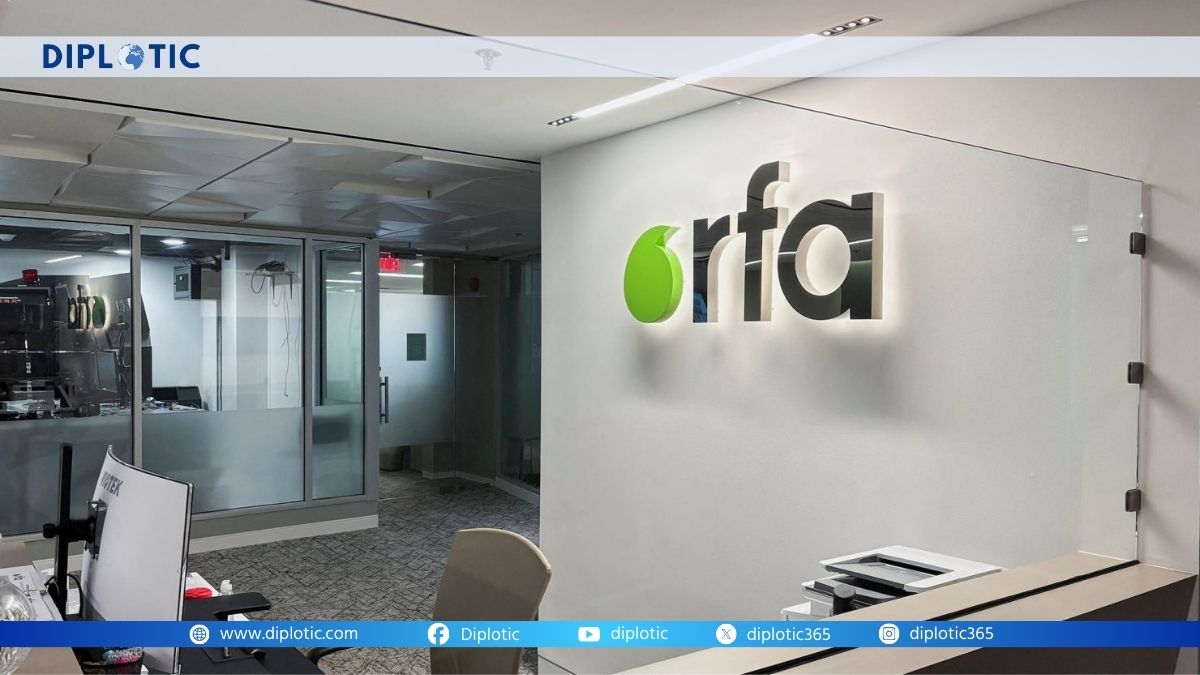
Radio Free Asia, a nonprofit news organization funded entirely by U.S. taxpayers, is at the center of an unusual controversy. During a government shutdown, the outlet quietly posted a large amount of its professional broadcast equipment on a public auction site, offering HD cameras, teleprompters, lenses, office furniture, and even refrigerators for shockingly low prices. Some listings showed equipment valued in the thousands of dollars selling for less than one dollar. The discovery raised immediate questions about accountability, internal decision-making, and the responsibilities of publicly funded media in a time of political tension. The dispute also created a direct clash between Radio Free Asia and the federal agency that oversees it, with both sides accusing the other of misrepresenting the facts. What unfolded is not simply a story about cheap gear. It is a window into the pressures, misunderstandings, and political sensitivities surrounding U.S.-backed international broadcasting at a time when Washington is trying to counter authoritarian influence abroad. The episode invites deeper investigation into why the equipment was sold, who authorized it, and what the consequences may be for future oversight of taxpayer-funded media.
How Did a Shutdown Lead to a Fire Sale?
Radio Free Asia receives roughly sixty million dollars annually from the U.S. government to produce independent reporting across Asia, including China, North Korea, Cambodia, and other countries where press freedom is heavily restricted. When the federal government shutdown began, the organization announced it would suspend operations due to what it described as a sudden lapse in funding. Shortly after its website went dark, large quantities of production equipment showed up on Rasmus Auctions, a public sales site. The listings were not subtle: many items were tagged with RFA labels and serial numbers. Some HD cameras were listed for under a dollar. Teleprompters were offered for ninety cents. Professional broadcast lenses, which normally cost thousands, were also posted for under a dollar. Even office refrigerators were included, with one listed at twenty cents.
Such dramatic markdowns naturally sparked anger. Lawmakers questioned not only the decision to sell off functional gear but also the timing and method of the sale. Congressman Darrell Issa, who had pressed to restore funding to RFA, described the liquidation as a betrayal of taxpayer trust. To him, the fire-sale approach seemed deliberate rather than procedural. In RFA’s view, however, the context was different. The organization argued that the shutdown, combined with uncertainty over future appropriations, forced it to take emergency steps to reduce operational costs. Shedding equipment, it said, was part of a long-term restructuring plan meant to preserve core operations and essential staff. The group insisted that auctioning gear was a responsible response to financial instability rather than a symbolic act of defiance. Yet the incident revealed an unclear chain of communication between RFA leadership and federal oversight bodies, raising doubts about whether proper review procedures were followed before valuable assets were pushed into public auctions.
Why Are Federal Officials Calling the Claims False?
The U.S. Agency for Global Media, which oversees Radio Free Asia and other government-funded broadcasters, quickly challenged RFA’s explanation. Officials stated that RFA had, in fact, received all funding allocated to it, even during the shutdown period. Kari Lake, a deputy executive within the agency, said the organization’s claims of a funding lapse were simply untrue. If RFA was not starved of resources, she argued, the reason behind the liquidation becomes harder to justify. Lake described the auction prices as insulting to taxpayers, pointing to an example of an HD camera listed for eighty cents. Her response was not limited to public comments. She sent a formal letter to RFA demanding immediate access for auditors, ordering the organization to prepare for a review that would determine “what on earth is going on.” The letter invoked rights granted under the group’s grant agreement and signaled the start of a deeper investigation.
This disagreement exposed a fundamental issue: two government-funded entities were delivering conflicting explanations to the public. RFA maintained that the uncertainty created by the shutdown and what it described as disrupted funding forced it into cost-cutting measures. USAGM insisted that RFA was fully funded and therefore had no reason to liquidate assets on such extreme terms. The tension created confusion about the true state of RFA’s finances. It also highlighted a structural challenge that has long existed within government-backed media: clear communication between agencies, news organizations and Congress is essential for stable operations, but political pressures often influence how each body interprets events. As the disagreement escalated, the public was left wondering whether the liquidation was the result of financial hardship, internal mismanagement or a miscommunication within the U.S. global media system itself.
What Does This Reveal About Oversight, Accountability, and the Future of U.S.-Backed Media?
Beyond the immediate argument, the incident raises broader questions about the oversight of publicly funded media organizations. Radio Free Asia plays an important role in countering propaganda in countries where governments tightly control news. For decades, the United States has used such outlets to expand access to independent information abroad. Yet this mission depends on stability, credibility and responsible management of public resources. When equipment worth millions collectively is sold off for pennies, even if legally justified, it poses reputational risks. It may also weaken the organization’s ability to operate if funding is restored. RFA says it has enough remaining equipment to resume operations and plans to rebuild once Congress resolves budget disputes. However, the scale of the liquidation suggests significant restructuring will be required.
Oversight agencies now face pressure to tighten rules on asset disposal and strengthen transparency requirements. Meanwhile, lawmakers are watching closely, aware that any misuse of taxpayer-funded assets can trigger public backlash. For the staff of RFA, the episode may deepen the uncertainty surrounding their work. Many of the journalists and producers rely on specialized equipment to document events in regions where independent reporting can be dangerous. If equipment shortages emerge, reporting capabilities could suffer at a time when global influence campaigns from authoritarian states are intensifying.
Where Does This Leave RFA and U.S. Taxpayers?
The auction controversy has opened a rare window into the internal pressures facing government-backed media. It also underscores how quickly confusion can grow when shutdowns, political disagreements, and unclear communication collide. At its center is a simple question: why were so many valuable assets sold so cheaply? The coming audit may offer clearer answers. For now, the incident provides an important reminder that strong oversight is essential when public money funds journalism abroad. The future of Radio Free Asia will depend on whether Congress restores funding, how the organization rebuilds its capacity and what reforms emerge from this investigation. But the larger lesson reaches beyond one broadcaster. As global information battles intensify, the United States must ensure that the institutions it relies upon overseas are not only well funded but also transparent and accountable.