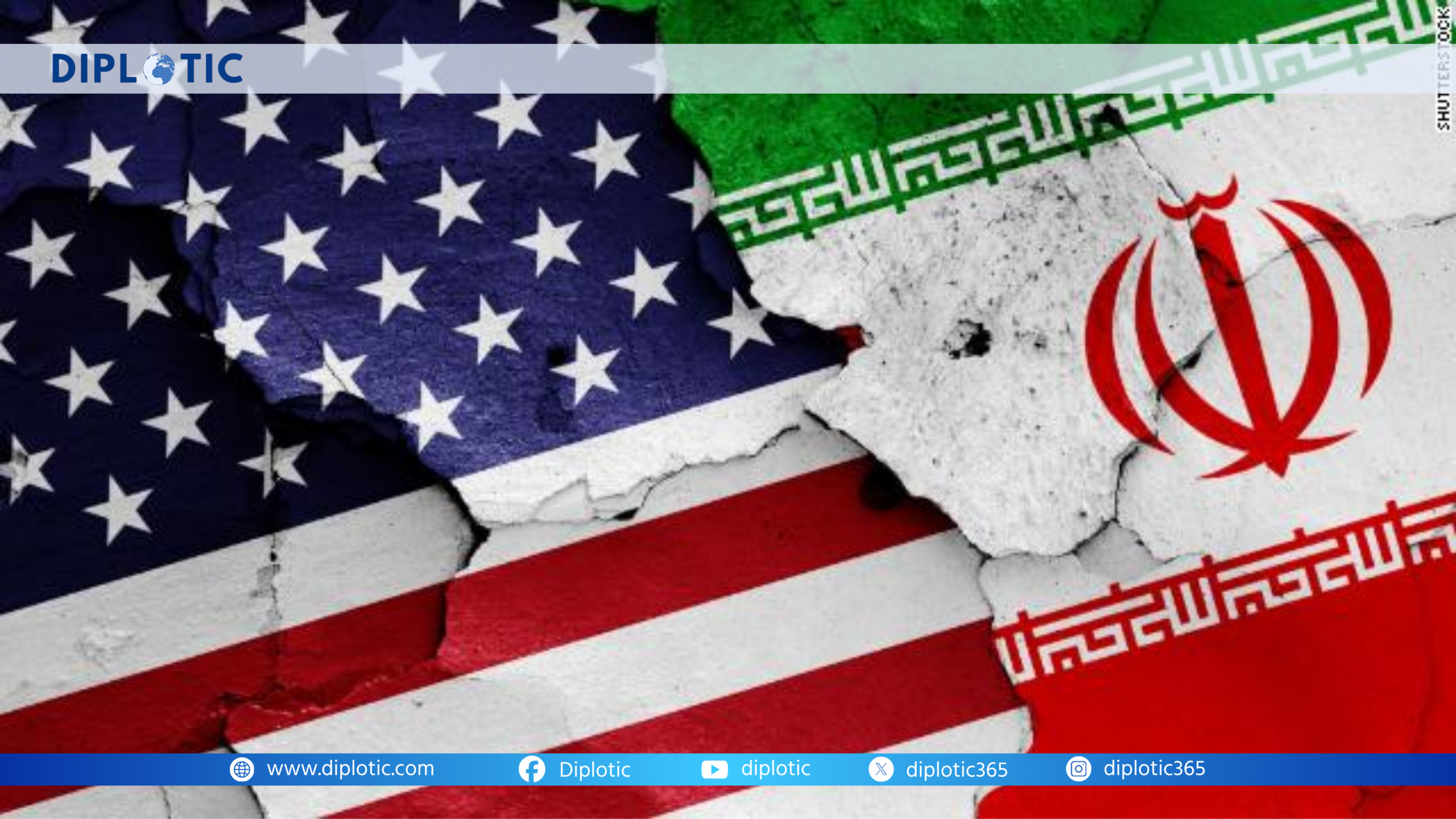
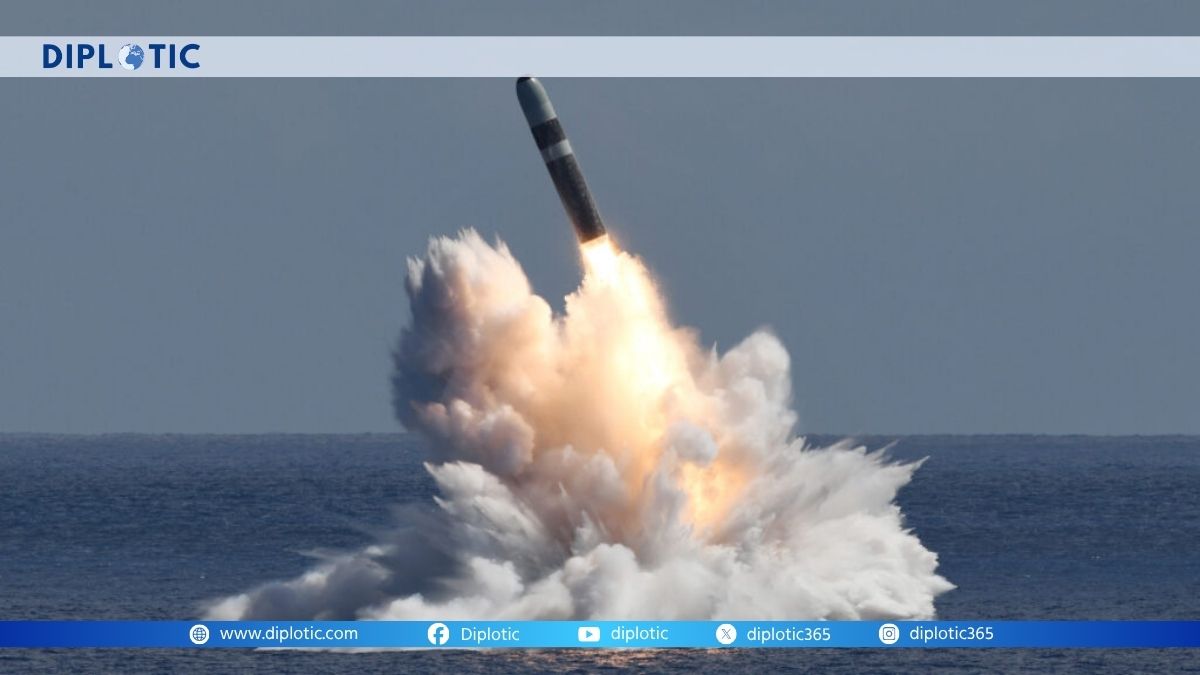
Trump’s threat to resume U.S. nuclear testing sparks global outrage, revives Cold War fears, and risks destabilizing decades of arms-control progress.
US President Donald Trump’s abrupt declaration that he has ordered the United States to restart nuclear weapons testing after more than three decades of restraint has jolted allies, emboldened adversaries, and sent shockwaves through the international arms-control community. Announced through a brief but explosive Truth Social post, Trump claimed he had instructed the revived “Department of War” to resume testing “on an equal basis” with Russia and China.
Whether Trump truly intends full-scale explosive nuclear tests or simply muddled missile-testing terminology, the ambiguity itself has become a global security threat. Experts warn that even suggesting a return to nuclear detonations risks unraveling one of the most important international norms forged since the end of the Cold War.
A Dangerous Misunderstanding or a Deliberate Signal?
Trump’s phrasing immediately alarmed analysts. The U.S. routinely conducts missile tests without live warheads but has not carried out an explosive nuclear test since 1992. The distinction matters, and Trump appeared to blur it. Nuclear-policy experts caution that this confusion is not a trivial semantic issue but a potential strategic signal with catastrophic consequences.
Robert Floyd, Executive Secretary of the Comprehensive Nuclear-Test-Ban Treaty Organization (CTBTO), warned that “any explosive nuclear weapon test by any state would be harmful and destabilizing … and undermine global peace and security.”
UN Secretary-General António Guterres echoed that warning, emphasizing that the world “must not reopen the door” to an era responsible for more than 2,000 nuclear explosions and decades of environmental devastation.
Global Repercussions: Allies Alarmed, Rivals Alert
The international response was swift and uniformly grim.
US Allies Fear the Collapse of Arms Control
European officials reacted with shock, arguing that a renewed U.S. test would shatter what remains of the international disarmament framework. Jana Baldus of the European Leadership Network condemned Trump’s remarks as a dangerous blow to the “already fragile” architecture of nuclear restraint.
Former NATO arms-control experts warned that even one U.S. test would “significantly undermine the nuclear taboo” — a moral and strategic line the world has managed to uphold for more than three decades.
Russia Signals Retaliation
Moscow wasted no time. The Kremlin declared that Russia would not resume testing “unless others do so first,” a thinly veiled warning that Trump may provide the pretext President Vladimir Putin has long sought. Russia’s 2023 de-ratification of the CTBT now appears ominously aligned with this moment.
China Calls for Restraint
Beijing urged Washington to honor its commitments and maintain the testing moratorium. Although China has conducted far fewer tests historically, renewed U.S. detonations could push Beijing to modernize its arsenal through live testing — igniting a three-way arms race.
Iran Condemns U.S. “Nuclear Bullying”
From Tehran came fierce criticism, framing Trump’s directive as reckless brinkmanship. Already inflamed by recent U.S. airstrikes on Iranian nuclear facilities, Iran warned it would “reinforce its resistance” and rebuild nuclear infrastructure if Washington escalates.
Cold War Memories Reawakened
Trump’s threat dredges up the darkest memories of the Cold War — an era when tit-for-tat nuclear detonations in deserts, oceans, and underground chambers drove superpowers toward the brink of annihilation.
The U.S. and USSR conducted more than 1,500 tests combined. The psychological and environmental scars remain:
radioactive fallout drifting into civilian communities
contaminated Pacific atolls
widespread cancer in downwind regions
The turning point came after the 1962 Cuban Missile Crisis, when both sides recognized that unrestrained nuclear competition could end civilization. The Partial Test Ban Treaty (1963) and later the Comprehensive Nuclear-Test-Ban Treaty (CTBT) emerged from that realization, eventually halting explosive testing worldwide except for North Korea.
For 33 years, the global moratorium has held not through legal enforcement, but through shared understanding: nuclear testing is a line no responsible nation crosses.
Why Breaking the Taboo Now Is So Dangerous
It Risks Triggering a New Multi-Power Arms Race
The U.S., Russia, and China are already modernizing their arsenals. A single live detonation could unleash a cascade of competitive testing each explosion raising the risk of miscalculation and escalation.
It Undermines Decades of Non-Proliferation Efforts
Weaker states may interpret U.S. testing as justification to pursue their own nuclear programs. The CTBT, already fragile, could collapse entirely.
It Provides Adversaries a Strategic Pretext
Putin’s government has long hinted it would test again “if the United States did first.” Trump may have given Moscow its opportunity.
It Weakens U.S. Alliances
NATO partners see nuclear restraint as essential to global stability. A U.S. test would fracture trust at a moment when unity is critical.
Strategic Madness or Political Posturing?
Trump’s history of provocative nuclear rhetoric complicates interpretation. Yet even if this latest declaration is political theater, the consequences are real. Nuclear policy experts emphasize that global adversaries respond to signals, not intentions. Miscalculation has always been the most dangerous ingredient in nuclear crises.
The United States possesses the world’s most sophisticated stockpile simulation programs and has no technical need to resume explosive testing. Restarting it would offer little military benefit while generating profound diplomatic, environmental, and strategic risks.
A World on Edge Again
Trump’s order threatens to dismantle decades of arms-control progress, revive Cold War dynamics, and destabilize a global system already under immense strain. If the U.S. breaks the testing taboo, the world may face a new nuclear era far more complex and far more dangerous than the one it barely survived in the 20th century.
At a time when restraint is vital, Trump’s nuclear brinkmanship risks taking humanity backward into its most perilous chapters.