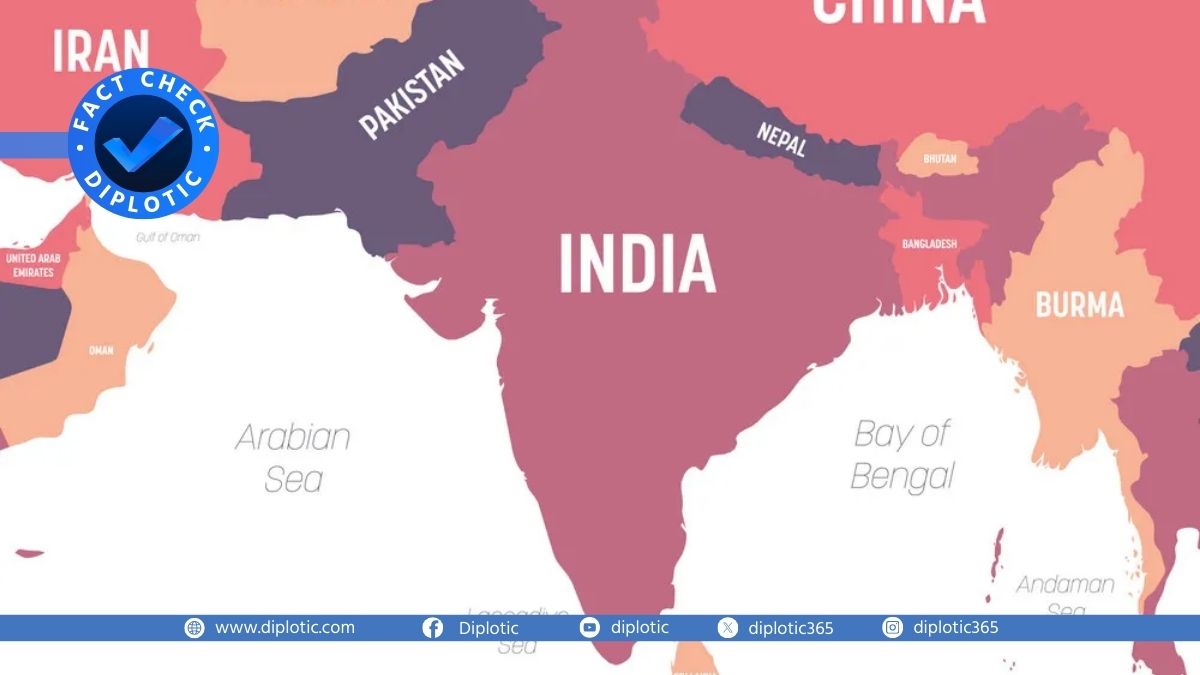
In a region home to nearly 2 billion people, where young minds dream big amid old challenges like poverty and job scarcity, the rise of startups promises more than just money. It offers a path to self-made success, new jobs, and fresh ways to solve everyday problems—from farming tools for rural families to apps that connect city workers. South Asia, stretching from India’s bustling streets to Bangladesh’s growing factories and Pakistan’s tech-savvy youth, has buzzed with talk of a “golden era” for startups. Media headlines cheer record investments and unicorn companies—startups worth over $1 billion. But is this real progress, or just shiny stories that hide deeper struggles? This fact-check digs into the claims, blending history, social roots, and logical trade-offs to reveal what the boom means for real people. Why does it matter? In a place where half the population is under 30 and unemployment bites hard, a true startup wave could lift millions. Yet false hope risks leaving dreamers broke and disillusioned.
Claim 1: Investments in South Asian Startups Have Hit Record Highs, Fueling a Golden Era
One loud claim echoes across news sites and investor chats: South Asia’s startup funding has exploded to all-time peaks in 2024 and 2025, proving the region is in its best phase ever for new businesses. Picture this as the “Silicon Valley moment” for the subcontinent, with cash flowing like the Ganges during monsoon season.
To check this, we cross-reference reports from trusted trackers like Tracxn and Startup Genome, plus government data. In India, the giant of the region, private equity and venture capital (VC) funding did rebound sharply to $43 billion across 1,600 deals in 2024—up from slumps in prior years. That’s a strong bounce after a global “funding winter” cooled investments everywhere. By September 2025, South Asia as a whole saw $12.3 billion raised in 1,430 equity rounds, building on that momentum. Sectors like agrifood tech grabbed $2 billion in 2024 alone, half of Asia-Pacific’s total for that field, showing targeted growth in areas that feed millions.
But zoom out, and the picture cracks. This surge is almost all India—$43 billion there versus just $37 million in Pakistan for the whole of 2024, down from $355 million in 2022. Bangladesh managed $120 million across nine deals in early 2025, a pickup from $7 million in early 2024, but still tiny compared to neighbors. Historically, South Asia’s startup scene echoes colonial trade patterns: wealth pools in one spot (like British-era ports), leaving others dry. Today, that’s India versus the rest, where cross-border VCs hog 97% of Bangladesh’s cash, starving local builders. The trade-off? Big wins in India create jobs (over 65,000 in Kerala’s ecosystem alone), but widen gaps elsewhere, risking brain drain as talent flees to Mumbai or Bangalore.
Deeper implication: This isn’t a uniform golden era—it’s a spotlight on one star. Ethical angle: When hype ignores the uneven flow, it tricks young founders in Lahore or Dhaka into chasing dreams without backup plans. Global logic says booms follow busts, but here, the “record” feels fragile, tied to one country’s rebound amid worldwide caution.
Verdict: Misleading. The numbers show growth, mostly in India, but calling it a region-wide golden era overlooks the lopsided reality.
Claim 2: South Asia Is Breeding Unicorns at a Breakneck Pace, Leading a Startup Revolution
Another popular pitch: The region is churning out unicorns faster than ever, with India alone eyeing 100-plus by 2025—three times the 2020 count—heralding a revolution where local ideas go global. It’s sold as proof that South Asian grit is turning bedrooms into boardrooms, much like how ancient trade routes once linked spices from Sri Lanka to silk from China.
Verified sources paint a vibrant but selective canvas. India boasts about 112 unicorns in 2025, with Bengaluru-Karnataka alone birthing 32 active ones since 2020, in fields like AI and fintech. Exits like Swiggy’s $12 billion IPO in 2024 show real scale, creating billionaire founders from humble starts. Broader South Asia? Kerala added one unicorn, Hyderabad one more, but Pakistan and Bangladesh have zero in recent tallies— their ecosystems are “underdogs” scraping by on micro-funds.
Context adds layers: Post-independence, South Asia’s economies leaned on state-led growth, stifling private risk-taking. The 2016 Startup India initiative flipped that, offering tax breaks and incubators, sparking a cultural shift toward entrepreneurship as a social ladder. Yet contradictions lurk—unicorns cluster in metros, where 16,000-plus startups thrive in Bengaluru, but rural innovators struggle with spotty internet. Wider consequence: This pace boosts GDP (India’s digital economy hit 32% of media revenues by 2024), but risks “unicorn traps”—hyped valuations crash if global markets sour, as seen in past dot-com busts. Philosophically, it raises questions: Does chasing billion-dollar beasts ignore small fixes for farmers or weavers, the backbone of South Asian society?
Verdict: True for India, Uncertain for the Region. The unicorn boom is real and revolutionary there, but it hasn’t spread evenly, leaving a half-finished story.
Claim 3: Governments Across South Asia Are Rolling Out Policies That Make Starting a Business a Breeze
Proponents say policies are the secret sauce: Tax perks, funds, and fast permits are turning red tape into red carpet, especially in India and Bangladesh, paving a golden path for all.
Cross-checks confirm progress. India’s 2016 Startup India scheme has recognized 159,000 ventures, dishing out tax holidays and $36 million in funds-of-funds by 2025. The 2024 angel tax rollback freed early cash, while IndiaAI poured $1.25 billion into tech hubs. Kerala’s $10.3 million to its Startup Mission and collateral-free loans up to $1 million ease entry. Bangladesh’s ecosystem got a nudge with $120 million in early 2025 deals, tied to digital pushes. Even Pakistan eyes micro-VC models amid downturns.
But here’s the rub: Implementation lags. In India, Tier-II cities birth 51% of startups but snag under 4% of funds, thanks to uneven policy reach. Pakistan’s political instability—coups and floods—undercuts reforms, slashing funding 90% since 2022. Socially, this mirrors feudal histories: Elites in capitals grab benefits, while margins wait. Trade-off? Supportive rules spark innovation (Bengaluru’s deep tech got $1 billion in 2023), but without anti-corruption teeth, they breed favoritism. Ethically, it’s a hypocrisy—governments tout “inclusivity” yet policies favor English-speakers in cities, sidelining Urdu poets or Bengali artisans with ideas but no networks.
Geopolitically, as China looms, these policies aim to counter dependency, fostering homegrown giants. But if they falter, it deepens inequality, turning “breeze” into barrier.
Verdict: Partially True. Policies exist and help, but uneven rollout makes the “breeze” feel like a storm for many.
Claim 4: Tier-II and Tier-III Cities Are the New Hotspots, Spreading Wealth Beyond Big Metros
The narrative: Forget Mumbai’s crowds—places like Kochi or Lahore are exploding with startups, democratizing opportunity and balancing urban overload.
Data backs the spark: In India, 51% of new startups now hail from smaller cities, up from metros’ monopoly, with 125 million new internet users fueling this since 2022. Kerala’s ecosystem value surged 147% to $1.5 billion by 2025, creating 65,000 jobs via 63 incubators. Hyderabad’s funding jumped 160% to $571 million in 2024. This ties to philosophy: Gandhi’s village self-reliance reborn in code, countering colonial city-centrism.
Reality check: Funding follows fame—those cities get under 4% of cash, stuck in seed stages while metros hoard Series A bucks. In Bangladesh and Pakistan, “hotspots” are whispers, not roars, with infrastructure gaps like poor roads killing logistics startups. Contradiction: Digital tools promise spread, but power outages and caste-like networks keep talent migrating back to Delhi. Implication? It could ease city slums (India’s urban poor hit 100 million), but without investment, it breeds “ghost booms”—hyped but hollow.
Theoretical twist: This tests Adam Smith’s “invisible hand”—does market freedom truly trickle down, or need government nudges like Kerala’s AI policy?
Verdict: True in Numbers, False in Impact. Launches are rising, but without cash, it’s potential, not power.
Claim 5: Challenges Like Funding Droughts Are Overblown—Hype Matches the Reality of Growth
Finally, optimists wave off worries: The “funding winter” is a myth here; media hype reflects solid, sustainable growth.
Sources say otherwise. Global VC dipped, and South Asia felt it—early-stage deals grew just 4% in Bengaluru amid a 9% ecosystem value drop. Pakistan’s 70% funding plunge and Bangladesh’s reliance on foreign VCs scream vulnerability. Culturally, South Asia’s risk-averse families—shaped by famines and partitions—clash with startup roulette, leading to 90% failure rates worldwide.
Yet positives persist: AI funding rose 33% globally, with South Asia grabbing slices via policies. Hypocrisy alert: Investors hype to lure more cash, but bail during dips, stranding founders. Wider fallout? Overhype inflates egos, crashes dreams, and slows real fixes like climate tech for floods that hit Bangladesh yearly.
Verdict: False. Challenges are real and growing pains, not overblown; hype outpaces sustainable reality.
Beyond the Claims: What a Real Golden Era Demands
This isn’t just about dollars—it’s about dignity. South Asia’s startup tale weaves history’s threads: From Mughal merchants to British clerks, innovation always faced gatekeepers. Today, a true golden era needs balanced bets—funds for Dhaka weavers, not just Delhi coders. Trade-offs abound: Fast growth risks bubbles, but slow ones stall jobs for 1 billion youth. Ethically, we must ask: Who benefits? If unicorns lift elites while farms falter, it’s no revolution. Geopolitics adds stakes— as U.S.-China tensions rise, South Asia could bridge East-West tech, but only with inclusive policies.
Recent twists, like 2025’s AI pushes, hint at hope. But logic warns: Without tackling divides, the “era” stays golden for few. For the rest, it’s fool’s gold. The debate matters because failed dreams breed despair in a region craving hope. Let’s build ecosystems, not echoes.