

America’s cost-of-living crisis is no longer just about inflation; wage growth is slowing sharply. This analysis explains why paychecks are shrinking, how the labor market is shifting, and what it means for voters ahead of the midterms.
The Hidden Strain Behind America’s Price Crunch
For months, national debate has centered on rising prices and whether the White House or Congress deserves blame for the cost-of-living squeeze. But underneath the arguments about inflation is a quieter and more persistent problem: the slowdown in take-home pay for millions of American workers. While grocery bills, utility costs, and rent continue to press households, wage growth has eased to levels last seen more than a decade ago. Economists say that even with a strong labor market and low unemployment, real income growth has slipped into a troubling zone, tightening budgets for families who already feel they are running in place. The frustration was clear in recent state and local elections, where affordability dominated conversations at polling sites. Many expected that cooling inflation would lift public sentiment, but the opposite has happened.
This disconnect raises a deeper question. If the prices of goods are stabilizing, why do Americans still feel squeezed? The answer appears less about the cost of items on the shelf and more about sluggish wage growth that is failing to keep pace. New data from the Bank of America Institute shows inflation-adjusted pay for low- and middle-income workers has fallen since early this year. That decline is shaping voter attitudes far more than headline inflation numbers. And while economists do not predict a recession or a wave of layoffs, they warn that a soft labor market could limit raises well into next year.
Why Wages Are Stalling Even as Jobs Remain Plentiful
At first glance, the labor market appears stable. Unemployment remains low, and hiring has not collapsed. Yet the underlying trend tells a different story. Job postings have dropped steadily, employers are slower to bring on new staff, and some major companies—including in tech and finance—have signaled plans to reduce headcount or rely more heavily on automation and artificial intelligence. These pressures do not always show up immediately in unemployment numbers, but they quietly freeze wages. Workers seeking job switches, which historically accelerated earnings, now face fewer openings and less leverage to negotiate better pay.
Economists note that the current slowdown echoes the early 2010s, when wage growth lagged despite steady recovery. But the comparison has limits. Today’s households face significantly higher living costs than they did during that era, making even modest pay stagnation more painful. Bank of America’s latest analysis highlights a widening gap between income groups: after-tax wage growth reached 3.7 percent for high earners in October but only 1 percent for those earning the least. That marks one of the sharpest divides seen since the bank began tracking household income nearly a decade ago. Lower-income families, who spend larger shares of their budgets on essentials like food, electricity and transportation, are harder hit when wages slow and prices remain elevated.
Other factors complicate the wage picture. Some industries, like construction and agriculture, may see wage stabilization due to tighter immigration policies that reduce labor supply. But many higher-skill fields are experiencing the opposite, as employers focus on cost controls and technological efficiency rather than expanding staff. This shift places younger workers at a disadvantage. New entrants to the workforce, particularly Americans between ages 25 and 29, usually see rapid growth in earnings as they build experience. But that path has narrowed. JPMorgan Chase Institute researchers have observed declining purchasing power among young workers—a reversal of typical economic patterns.
Political Stakes Rise as Economic Messaging Falters
This slowdown in wage growth is becoming one of the most significant political risks for the Republican Party as it prepares for next year’s midterm cycle. Although President Donald Trump has historically held an advantage on economic trust, recent polling shows that edge shrinking. A Reuters/Ipsos survey puts his approval rating on the economy at just 34 percent, the same level voters gave Joe Biden in the final days of his presidency. Voters appear less concerned with which leader claims credit for lower inflation and more focused on the daily reality of a paycheck that does not go as far.
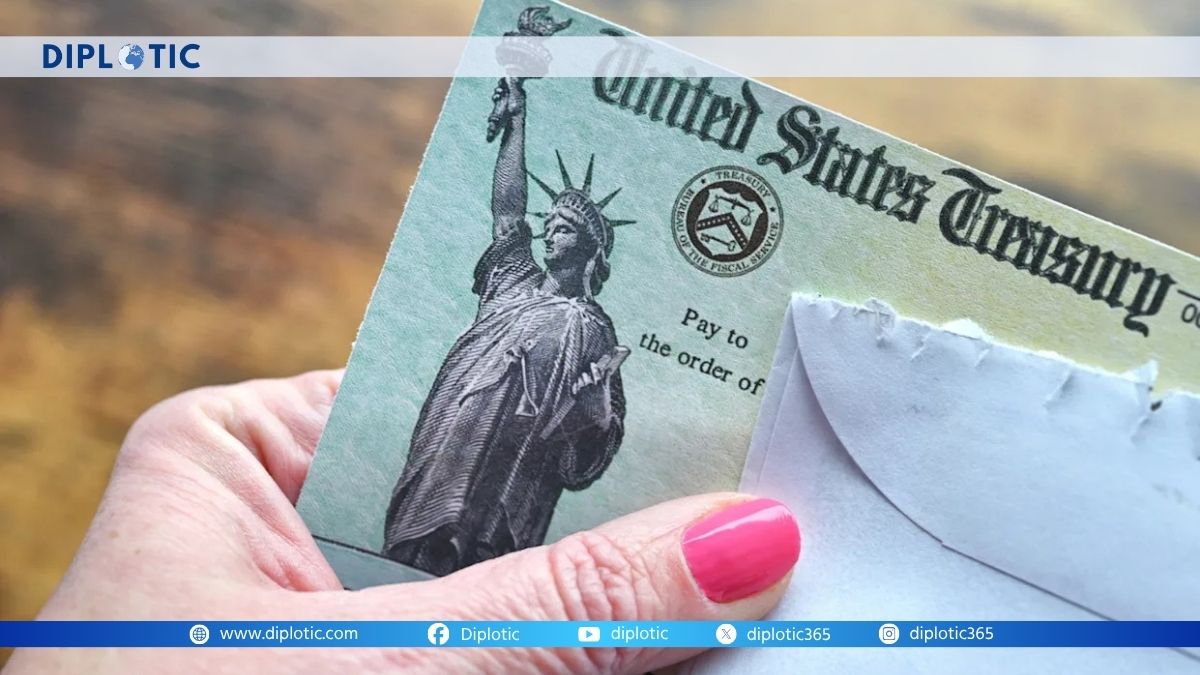
In response, Trump advisers have hinted at a sharper focus on affordability. Proposals include using tariff revenue to fund $2,000 payments to low- and middle-income households, pitching long-term mortgages that reduce monthly housing costs and pursuing deals intended to lower prescription drug prices. Administration officials argue that the tax bill passed earlier this year will soon lift disposable income. Treasury Secretary Scott Bessent says these cuts will improve purchasing power, particularly among wealthier Americans, though critics note that higher-income groups are already experiencing stronger wage gains.
The political challenge lies in the durability of wage stagnation. Even if inflation falls further, households are unlikely to feel relief unless incomes rise faster. Republican strategists worry that economic optimism will not return unless the pay gap narrows and young workers see better opportunities. At the same time, Democrats are trying to frame the wage slowdown as evidence that current policies favor corporate cost-cutting over worker well-being. Both parties know that affordability, not job creation or stock market performance, now dominates voter sentiment.
Is the Wage Crisis Temporary—or a New Normal in the US Economy?
What emerges from the data is a complicated economic picture. The United States is not experiencing a downturn severe enough to drive high unemployment, but it is facing a cooling labor market that limits wage increases. Inflation remains above the Federal Reserve’s 2 percent target, narrowing its room to cut interest rates. If prices rise again in early 2025, the case for future rate cuts will weaken further, reducing pressure on employers to raise pay.
Economists say the coming months will be crucial. Layoff announcements rose last month, suggesting that companies may be preparing for slower growth and tighter margins. Firms in tech and financial services are especially cautious as investors push them toward automation and AI-driven efficiencies. These trends do not guarantee widespread job losses, but they create an environment where pay raises become rare, job-switching becomes riskier and real purchasing power fails to recover.
The central question is whether wage growth can rebound before public frustration hardens. Some signs offer hope. As inflation stabilizes, real income could improve even if nominal wages grow slowly. Rate cuts by the Federal Reserve, if delivered early next year, might stimulate hiring and restore some bargaining power to workers. But these improvements will take time, and households already exhausted by the past three years of price shocks may not feel the effects quickly.
For now, the economic mood remains shaped by a sense of imbalance: plenty of jobs but not enough pay, stable growth but rising bills, strong corporate profits but weak household budgets. That tension now sits at the heart of America’s political debate and will likely influence the outcome of elections in 2025 and beyond.




