The UK has suspended intelligence sharing with the US over lethal maritime strikes on suspected drug-trafficking boats in the Caribbean, a dramatic shift in alliance dynamics amid mounting legal concerns.
In a significant and steep turn in Anglo-American security cooperation, the United Kingdom has suspended portions of its intelligence-sharing program with the United States regarding suspected drug-trafficking vessels in the Caribbean. According to sources speaking to CNN, this move reflects deep UK concern that its intelligence may be used to facilitate lethal military strikes by the US operations the UK regards as potentially illegal under international law.
Why the Freeze?
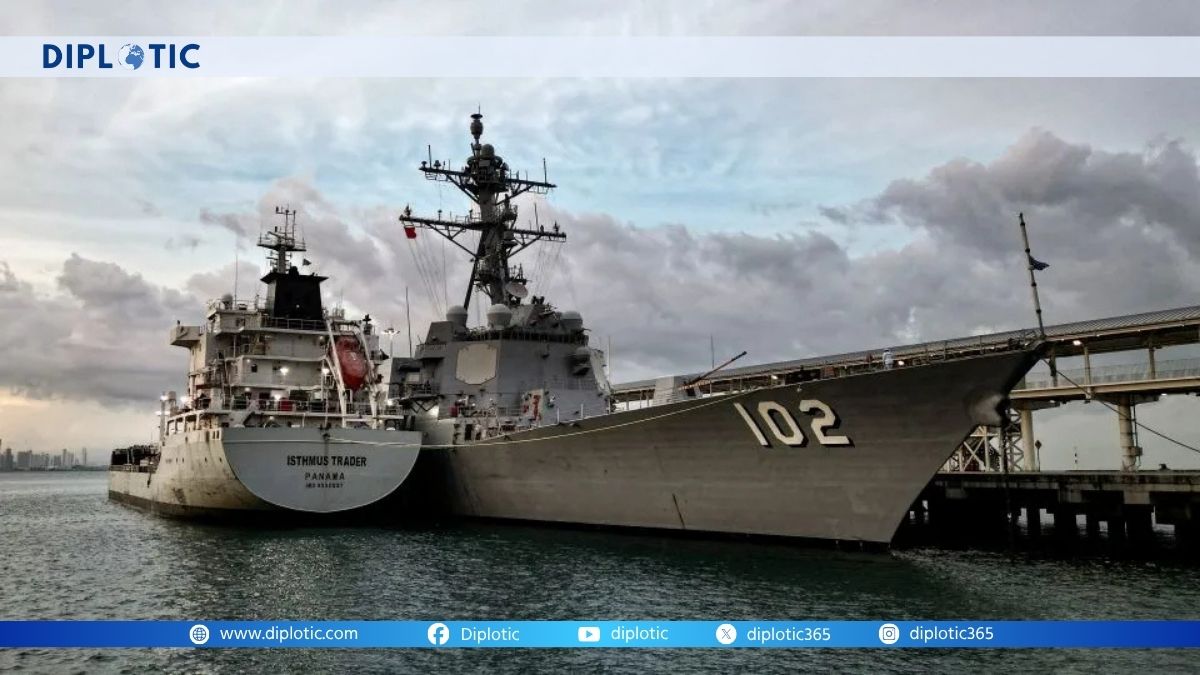
For years, the UK has contributed vital intelligence collected in its Caribbean territories to assist the Joint Interagency Task Force South (JITF-S) in identifying vessels suspected of involvement in narcotics smuggling. Those leads typically enabled the United States Coast Guard (USCG) to board, intercept and detain crews, while seizing illicit cargo without resorting to lethal force.
However, in early September 2025 the US began a marked shift, engaging some of those suspicious vessels with lethal strikes rather than interdiction alone. British officials now believe that continuing to feed intelligence under those changed conditions risked making the UK complicit in actions they consider unlawful.
Legal Alarm Bells Ring
The UK’s decision is underpinned by a parallel declaration from Volker Türk, the UN High Commissioner for Human Rights, who stated that the US strikes on suspected drug-trafficking boats qualify as “extrajudicial killings” and therefore contravene international law.
British sources told CNN they share that view and that the intelligence suspension began more than a month ago.
Political and Strategic Fallout
The UK’s move represents a remarkable rupture in one of its most trusted intelligence partnerships. Analysts say it signals growing unease among US allies over the legality and strategic wisdom of the US maritime-strike campaign. The shift complicates the intelligence architecture that has long underpinned counter-narcotics efforts in the Caribbean and Eastern Pacific.
drug cartel From Washington’s perspective, the US government argues that drug cartel vessels present an “imminent threat” and that lethal force is lawful because the cartels have been designated as “foreign terrorist organizations” by the United States Department of Justice (DOJ). But legal experts remain deeply divided and insist that the laws of armed conflict do not automatically apply to civilian-trafficking cases, especially outside recognized zones of active war.
Inside the United States, dissent has also emerged. Some senior military lawyers stationed at the United States Department of Defense (DoD) have questioned the legality of the boat-strike operations. One defense official, Alvin Holsey, commander of the US Southern Command, reportedly offered to resign after raising concerns about the strikes.
Broader Implications for UK-US Cooperation
While Downing Street declined to confirm or deny the suspension, citing longstanding policy to avoid commentary on intelligence matters, the very fact of the leak underscores the gravity of the UK’s position. A No. 10 spokesman said only that “issues around whether or not anything is against international law are a matter for a competent international court, not for governments to determine.”
The pause may have ripple effects well beyond counter-narcotics logistics:
It raises the question of how eager the UK will now be to support US-led intelligence initiatives when there is a perceived risk of misuse.
It could embolden other allied states to withhold intelligence or demand stricter assurances about how information is used.
It may force the US to recalibrate its strike-based approach if partner support begins to fray.
Outlook: Will the Freeze Remain?
What happens next hinges on several factors. If the US alters its tactics and re-emphasizes interdiction rather than lethal force, the UK might resume sharing. However, if the strike campaign continues and the UK remains convinced it is complicit, the pause could become enduring.
Moreover, the issue may be exported to international legal arenas: the UN and human rights bodies may press for formal investigations into the maritime strikes. Should such scrutiny become formalized, both the legal footing and the optics of the campaign could change markedly.
Key Takeaways
The UK has suspended intelligence sharing with the US concerning drug-trafficking vessels in the Caribbean due to concerns the info may have been used to facilitate potentially illegal lethal strikes.
human rights The decision reflects alignment with UN human rights concerns that US strikes on such vessels amount to extrajudicial killings.
The move signals a major shift in UK-US intelligence cooperation and raises broader questions about the legality and strategic value of the US’s maritime-strike campaign.
The future of this suspension depends on how both the US and its allies adjust tactics, address legal accountability, and rebuild trust in intelligence partnerships.
This development marks a profound moment in trans-Atlantic security collaboration, a potent signal that even the closest of allies will balk when they believe legal boundaries are being crossed.