

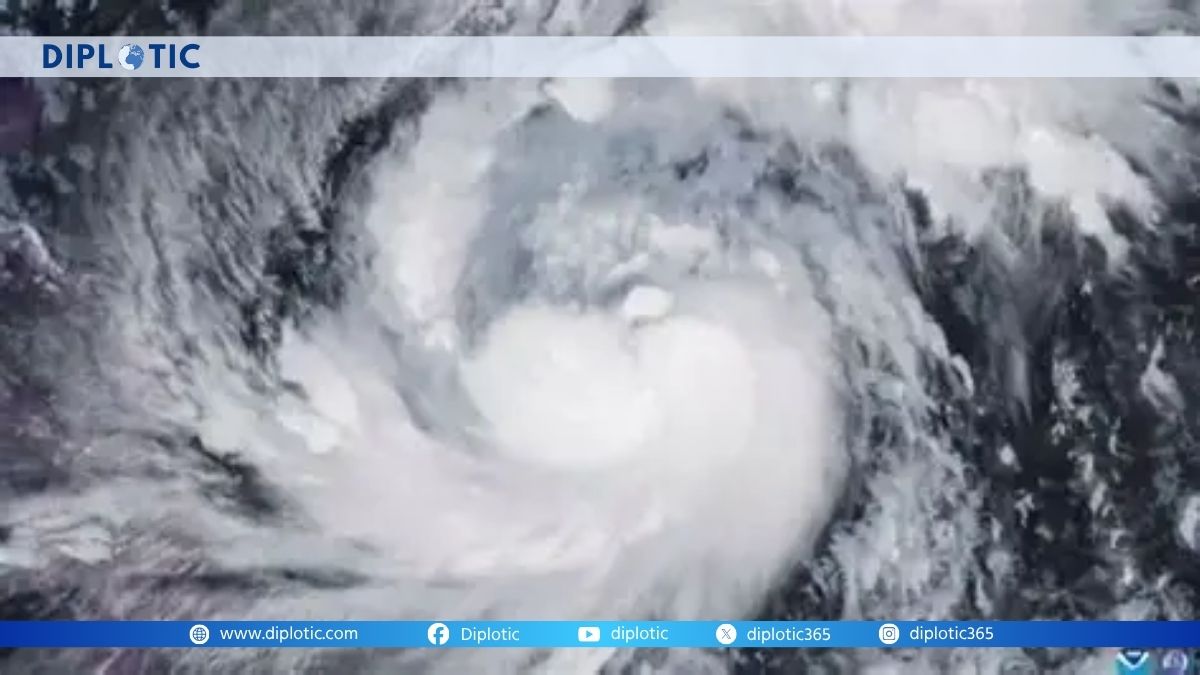
In the early evening of November 9, 2025, the skies over Aurora province in the Philippines turned dark and furious as Super Typhoon Fung-Wong slammed ashore. Winds howled at 185 kilometers per hour, with gusts ripping up to 230, tearing roofs from homes and flooding streets in minutes. This was no ordinary storm—it was the 21st cyclone to hit the archipelago this year, and it arrived just days after Typhoon Kalmaegi had already claimed over 200 lives. More than a million people had fled their homes, cramming into shelters or higher ground, while two early deaths—one from drowning and another under collapsed debris—marked the storm’s grim start. As rescue teams battled rising waters and power outages, a deeper worry settled in: Why are these massive storms hitting so close together, and what does it mean for a nation that sees 20 typhoons a year? This story uncovers the raw human side of Fung-Wong’s fury, the scars left by Kalmaegi, and the growing role of a warming world in making disasters like these deadlier.
How Did Super Typhoon Fung-Wong Strike a Nation Already on Its Knees?
The approach of Fung-Wong, known locally as Uwan, felt like a cruel twist for Filipinos still digging out from Kalmaegi’s wreckage. Just a week earlier, Kalmaegi had barreled through central provinces like Cebu, unleashing flash floods that swallowed entire neighborhoods. By November 10, 2025, its death toll stood at 188 in the Philippines alone, with 135 people missing and 96 injured, mostly from drowning or landslides. Entire villages in Cebu vanished under mudslides, cars piled up like toys in streets, and over 200,000 people lost their homes. The storm didn’t stop there—it moved to Vietnam, killing five more and uprooting trees in coastal towns. In the Philippines, rescue helicopters crashed during aid runs, adding six soldiers to the count, while a state of calamity freed up emergency funds for food and cleanup. But as crews cleared debris and families mourned, dark clouds gathered again.
Fung-Wong formed far out in the Pacific on November 7 as a tropical storm, but it exploded into a super typhoon by Sunday morning, its eye locking onto eastern Luzon. Landfall hit Dinalungan in Aurora at 9:10 p.m. local time, with its massive rain band—stretching 1,600 kilometers—blanketing nearly the whole country. In Catanduanes, an island in the Bicol region, waves crashed over seawalls before dawn, forcing 900,000 evacuations nationwide. Airports shut down, canceling 300 flights, and classes halted in 12 regions. In Sabang, a coastal strip in Aurora, hotel worker Hagunoy, 21, stayed behind to board up windows, tying glass with ropes against the gusts. “The tide rose so fast,” he told reporters, his voice steady but eyes wide. “Police came three times to make sure everyone left, but I had to protect what we have.”
By Monday morning, November 10, the storm had weakened slightly over Luzon’s mountains but still packed typhoon force as it pushed northwest toward La Union province. Forecasts warned of 200 millimeters of rain in hours, enough to trigger landslides in already soaked soil. In Metro Manila, 100 to 200 millimeters fell overnight, turning roads into rivers and stranding commuters. Social media buzzed with videos of swaying bridges in Camaligan, Camarines Sur, and flooded markets in Obando, Bulacan. One X post from a local official showed water surging from a navigational gate in Navotas, captioning it: “Praying for strength—another night of this.” Shelters overflowed; in central Aurora’s sports center, over 200 families huddled with young kids too little to remember Typhoon Haiyan’s 2013 horror, which killed 6,000. Jessa Zurbano, a mother there, whispered to a BBC crew, “We worry because our babies don’t know this fear yet, but we do.” Patry Azul added, “Our wooden house by the sea felt like it would fly away—we had no choice.”
This back-to-back assault strained everything. Kalmaegi’s floods had suspended searches for the missing, and now Fung-Wong halted them again. In Sorsogon, Norlito Dugan sheltered in a church with his family, telling AFP, “The last storm flooded us out; now waves crash like thunder. We just want to keep each other safe.” His daughter Maxine nodded, “The sea sounds angry.” Government teams, led by Defense Secretary Gilberto Teodoro, urged calm but warned: “Every second counts—evacuate now, or rescues get impossible.” President Ferdinand Marcos Jr. echoed this, mobilizing troops for aid. Yet, in places like Guinobatan, Albay, where Kalmaegi’s landslides had already buried homes, fresh mud threatened again. Parallel to the chaos, Vietnam braced as Fung-Wong eyed Taiwan by Thursday, but for Filipinos, the question lingered: How much more can a resilient people take when storms come without mercy?
What Lingering Wounds from Typhoon Kalmaegi Made Fung-Wong’s Hit Feel Even Harsher?
Typhoon Kalmaegi’s rampage exposed cracks in the Philippines’ defenses, turning what could have been survivable rains into a national tragedy. Forming on October 30, it hit as the 20th storm of 2025, slamming Cebu with 183 millimeters of rain in 24 hours—far above the monthly norm. Flash floods roared down hillsides, obliterating poor neighborhoods along rivers like Mananga. In Talisay, Cebu, rescuers pulled bodies from submerged cars, while in Liloan, 35 died alone. By November 6, Cebu reported 114 fatalities, with 127 missing, many swept away in the night. Videos on X showed rooftops as rafts, families clinging to debris, and shipping containers tumbling like leaves. One post from a survivor read: “We lost our home, our shop—everything in seconds. How do you start over?”
The storm’s toll went beyond lives. Over 387,000 evacuated pre-landfall, but thousands more fled mid-flood. Power outages hit millions, roads crumbled under landslides, and agriculture—rice fields and veggie farms—drowned, spiking food prices. In Bohol, a tree crushed a resident; in Southern Leyte, an elder drowned in knee-deep water. A military chopper crash during relief killed six, stranding aid in Agusan del Sur. Cebu, still shaky from a magnitude 6.9 quake in October that killed dozens, saw quake tents flood, forcing double displacements. Governor Pam Baricuatro moved survivors to sturdier spots, but northern towns, quake-hit hardest, dodged Kalmaegi’s worst—only to face Fung-Wong’s rains.
Impacts rippled wide. Schools closed, delaying quake recovery; the Department of Education readied landslide teams for 25,000 at-risk sites. The National Capital Region went on alert, and Cebu declared calamity, redeploying quake equipment for flood cleanup. President Marcos fast-tracked funds, but critics questioned why urban drains clogged so fast in “highly urbanized” Cebu. Rafaelito Alejandro, civil defense deputy, noted on radio: “Major cities got slammed—debris blocks everything now.” In Vietnam, Kalmaegi uprooted roofs and killed five, but the Philippines bore the brunt: 188 dead, economic hits in billions from lost crops and homes.
These wounds amplified Fung-Wong’s threat. Saturated ground couldn’t absorb more rain; Kalmaegi’s debris clogged rivers, worsening surges. In Batangas, 135 from Barangay Cuta fled anew to shelters. X threads from Rappler showed overflowing Lanao Lake homes in Taraka, Lanao del Sur, with captions like: “Kalmaegi took so much—Uwan tests our spirit.” For coastal fishers like those in Nhon Hai, Vietnam, or Quy Nhon, the double punch meant boats sunk twice over. One Cebu resident told PBS: “We scraped mud last week; now we’re boarding up again. It’s like the sky won’t forgive us.” This cycle raises angles on poverty’s role—flimsy homes in flood zones, slow warnings in remote spots—and resilience: communities sharing food in churches, soldiers wading chest-deep for the stranded. As Fung-Wong churned on, it wasn’t just weather; it was a reminder of how one storm’s scars make the next a deeper cut.
Why Do These Storms Form, and Are They Packing More Punch Now?
Typhoons like Fung-Wong and Kalmaegi don’t just appear—they brew from nature’s raw forces, but a changing climate is turning up the heat. In the Pacific’s typhoon belt, where the Philippines sits like a bullseye, warm ocean waters spark these beasts. It starts with clusters of thunderstorms over seas above 26.5 degrees Celsius. Winds swirl, pulling in moist air that rises, cools, and forms clouds. Earth’s spin adds a twist, creating a low-pressure center—the eye. For Fung-Wong, this ignited 1,000 miles east of Manila on November 7; Kalmaegi spun up October 30. Half of the 20 annual cyclones here hit the islands directly, steered by high-pressure ridges.
But why super-strength? Warmer oceans, supercharged by greenhouse gases, feed them extra energy. Typhoons draw power from sea heat; as global temps rise 1.2 degrees Celsius since pre-industrial times, surfaces hit records—up to 40 times more likely in spots like the Philippine Sea, per climate studies. This means faster growth: Kalmaegi jumped to typhoon status overnight, hitting 205 km/h. Fung-Wong followed, its “potential intensity” boosted by humid air holding 7% more moisture per degree of warming. Result? Heavier rains—200 mm in hours, not days—fueling floods and surges. Winds don’t just blow; they snap trees, shatter windows. Storm paths shift too, racing north faster, slamming new areas.
Science backs this: The IPCC’s 2021 report warns of fiercer typhoons, with 25% more Category 3-5 hits like these. World Weather Attribution found 2024’s Philippines cluster—six storms in a month—twice as likely from climate change. In 2025, it’s repeating: Kalmaegi’s rapid intensification, Fung-Wong’s vast band. Not more storms overall, but intense ones closer together, per Nanyang Technological University’s Drubajyoti Samanta. Sea rise adds insult—10 cm since 1993—pushing surges inland.
Yet, questions probe deeper. Why Cebu twice? Quake-weakened soil plus urban sprawl trap water. In Vietnam, Kalmaegi’s 600 mm rains broke records, but why no early warnings? Parallel views: Local degradation—deforested hills speed landslides—meets global emissions. Imperial College studies link firms like Shell to doubled odds for Haiyan-like events; survivors now sue in UK courts. For Filipinos, it’s personal: Hagunoy in Sabang boards windows, knowing warmer seas mean bigger waves. As Fung-Wong eyed Taiwan, experts ask: Without cuts, will 2026 bring 25 storms? This isn’t just meteorology—it’s a call to rethink coasts, emissions, and equity in a hotter world.
Can the Philippines Build Back Stronger Against This Relentless Fury?
As dawn broke on November 10, 2025, Fung-Wong’s tail lashed La Union, but its peak had passed—weakened to typhoon strength, exiting to the South China Sea. Yet, the cleanup echoed Kalmaegi’s nightmare: flooded bridges in Tuguegarao closed, Tuguegarao River overflowed, and Manila’s streets gleamed with standing water. Two deaths tallied, but risks lingered—landslides in Batangas, surges in Quezon. Over a million evacuated returned gingerly, finding downed lines and lost roofs. In Aurora, coast guard boats that ferried folks pre-storm now hauled debris. X lit up with hope: PAGASA’s bulletin at 2 a.m. noted Uwan over La Union, signals dropping. One post: “We endured—now rebuild.”
Lessons from Kalmaegi sharpened responses. Marcos’s calamity state unlocked funds, speeding aid like Cebu did post-quake. Red Cross and civil defense hit the ground fast, unlike Haiyan’s delays. Teodoro’s pleas worked—evacuations cut potential deaths. But gaps yawn: 30 million exposed, per defense estimates; rural spots lag on alerts. US and Japan offered help, no international call yet. Vietnam’s 537,000 evacuations showed shared prep.
Broader angles: Climate demands more. IPCC urges resilient crops, sea walls; Philippines pushes low-carbon paths, but coal lingers. Suits against polluters signal fightback—Odette survivors seek justice for doubled risks. Communities adapt: Dinadiawan, hit by Pepito in 2023, braced with memories. Jessa’s shelter kids learn early: “Stay high, stay together.” Economically, billions lost yearly—2025’s duo hits farms hardest, spiking rice prices, hurting kids in barangays.
Tying back, these storms link 2013’s Haiyan to 2025’s double blow—a warming world turning routine risks catastrophic. As Fung-Wong fades toward Taiwan, the Philippines stands resilient, but the real test? Turning survival into strength, demanding global action before the next eye forms. In a nation of islands, hope floats on waves of change—if we act now.




